Evidence: Strong
Key takeaways
- Hemp seed oil is pressed from hemp seeds and contains little to no CBD. It’s a food and skincare oil, not a CBD product.
- CBD oil is made from hemp flowers and leaves, where CBD is actually found, and should list a CBD amount in milligrams.
- Some sellers label hemp seed oil as “hemp oil” with huge milligram numbers so it looks like CBD.
- Check the ingredient list, the CBD amount and the lab report before you buy.
Walk down any wellness aisle or scroll any online marketplace and you’ll see bottles labeled “hemp oil,” sometimes boasting tens of thousands of milligrams for a few dollars. Many shoppers assume they’re buying CBD. Often, they’re not. Hemp seed oil vs. CBD oil is one of the most common mix-ups we see in our community, and it can cost you money.
Here’s the difference, why it happens, and how to tell what’s really in the bottle in under a minute.
Hemp seed oil vs. CBD oil: the short answer
They come from different parts of the same plant, and they do different things.
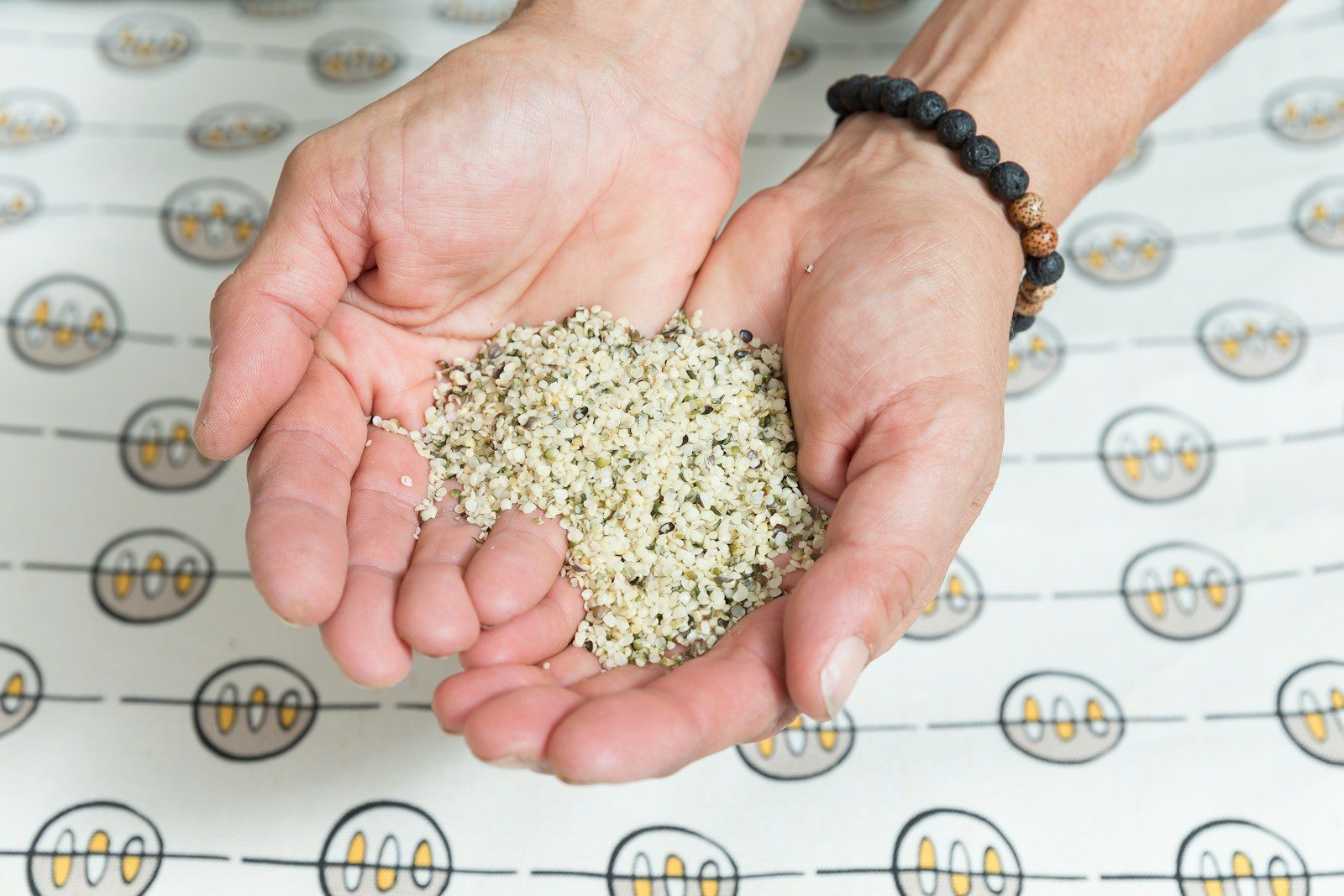
- Hemp seed oil is cold-pressed from the seeds of the hemp plant. According to the FDA, hemp seeds don’t naturally contain THC, and the hemp seed ingredients it reviewed contained only trace amounts of THC and CBD picked up from other parts of the plant during harvesting. It’s a nutritious culinary oil, rich in polyunsaturated fats, and a popular skincare ingredient.
- CBD oil is made by extracting cannabidiol (CBD) from the flowers and leaves of the hemp plant, then mixing that extract with a carrier oil such as MCT (coconut) oil, olive oil, or sometimes hemp seed oil.
In other words, hemp seed oil can be an ingredient in a CBD product, but hemp seed oil on its own is not CBD.
Why the labels are so confusing
Part of the confusion is honest: “hemp oil” can mean different things to different people. But part of it is marketing. Some large online marketplaces have restricted CBD listings, so some sellers list hemp seed oil with vague, wellness-style claims and large milligram numbers. A label that says “50,000 mg hemp oil” usually means the bottle contains 50,000 mg of oil, not 50,000 mg of CBD.
There’s nothing wrong with hemp seed oil itself. The problem is paying CBD prices, or expecting CBD effects, for a product that doesn’t contain meaningful CBD.
How to tell what you’re buying
1. Read the ingredient list
If the only hemp ingredient is “hemp seed oil” or “Cannabis sativa seed oil,” it isn’t a CBD product. Real CBD products list ingredients like “hemp extract,” “cannabidiol (CBD),” “CBD isolate,” or “broad-spectrum hemp extract.”
2. Look for a CBD amount in milligrams
A CBD product should state how many milligrams of CBD are in the whole bottle and in each serving. Vague phrases like “hemp extract 20,000 mg” with no CBD figure are a red flag.
3. Check the lab report
Reputable CBD brands publish a Certificate of Analysis (COA) from an independent lab showing the CBD content for your batch. Hemp seed oil products usually don’t have a cannabinoid COA at all. New to lab reports? Read How to Read a CBD Lab Report in 2 Minutes.
4. Sanity-check the price
Quality CBD costs money to extract and test. If a bottle claims enormous potency for a very low price, it’s almost certainly hemp seed oil.
Why we rated this “Strong”: The difference between hemp seed oil and CBD extract is well established. The FDA has publicly stated that hemp seeds don’t naturally contain THC and that the hemp seed ingredients it reviewed contained only trace cannabinoids. How we rate evidence
Is hemp seed oil worth buying?
Absolutely, for the right reasons. Hemp seed oil is a good source of polyunsaturated fats, including omega-6 and omega-3 fatty acids, and it has a mild, nutty flavor that works in salad dressings and drizzled over finished dishes. Because it’s delicate, it’s best not used for high-heat cooking. It’s also a common moisturizing ingredient in skincare. Just buy it as what it is: a seed oil, not a CBD supplement.
What about the new hemp law?
Under the federal hemp rules taking effect December 11, 2026, finished hemp products are limited to 0.4 milligrams of total THC per container. Hemp seed foods aren’t the main target of the new law, but CBD buyers should check THC on their lab reports. Read What December 11 Means for the CBD in Your Cabinet.
Cleaner swaps to try
We may earn a commission if you buy through links in our product picks. It never affects our ratings.
- If you want CBD: a product that lists CBD in milligrams per serving, with a recent third-party COA for your batch.
- If you want hemp seed oil for food: a cold-pressed, food-grade hemp seed oil, stored in a dark bottle and kept in the fridge after opening.
- For skin: a simple hemp seed oil moisturizer without added fragrance.
The bottom line
Hemp seed oil and CBD oil are not the same thing. Hemp seed oil is a useful food and skincare oil with little to no CBD; CBD oil is an extract from the flowers and leaves. Read the ingredients, look for a CBD amount in milligrams, and check the lab report before you pay CBD prices. More guides in CBD & Botanicals.
Want one evidence-checked story and three easy swaps every week? Subscribe to our free newsletter.
Sources
- U.S. Food and Drug Administration. FDA Responds to Three GRAS Notices for Hemp Seed-Derived Ingredients for Use in Human Food. December 20, 2018.
- U.S. Food and Drug Administration. What You Need to Know About Products Containing Cannabis or Cannabis-Derived Compounds, Including CBD.
- Minnesota Department of Agriculture. Hemp-derived products including oil, flour, and seeds.