Cleaner choices, backed by evidence. New issue of the newsletter every Thursday. Subscribe free

Category: Avoid List

Ingredients and products worth a second look, with the evidence.

  • PFAS “Forever Chemicals”: Where They Hide and How to Cut Exposure

    PFAS “Forever Chemicals”: Where They Hide and How to Cut Exposure

    Evidence: Moderate

    Key takeaways

    • PFAS are thousands of man-made chemicals that resist water, grease and stains, and break down very slowly, which is why they’re called “forever chemicals.”
    • The EPA keeps enforceable drinking water limits of 4 parts per trillion for two PFAS, PFOA and PFOS, but in 2026 proposed giving water systems until 2031 to comply and dropping limits for four others.
    • Common sources include some nonstick cookware, stain- and water-resistant fabrics, grease-resistant food packaging and contaminated water.
    • You can lower exposure with a certified water filter and a few simple product swaps.

    PFAS “forever chemicals” show up in headlines, water reports and product labels. They’re in many everyday items and, according to the EPA, can build up in people and the environment over time. Here’s where they hide, what the rules say in 2026, and practical ways to cut your exposure.

    What are PFAS?

    PFAS (per- and polyfluoroalkyl substances) are a large family of man-made chemicals used since the 1940s to make products resist water, grease, stains and heat. Their chemical bonds are extremely strong, so they break down very slowly in the environment and the body. The EPA notes that exposure to some PFAS has been linked to harmful health effects in people and animals, and research on the many different PFAS is ongoing.

    Where PFAS hide

    • Drinking water in some areas, especially near industrial sites, airports and military bases
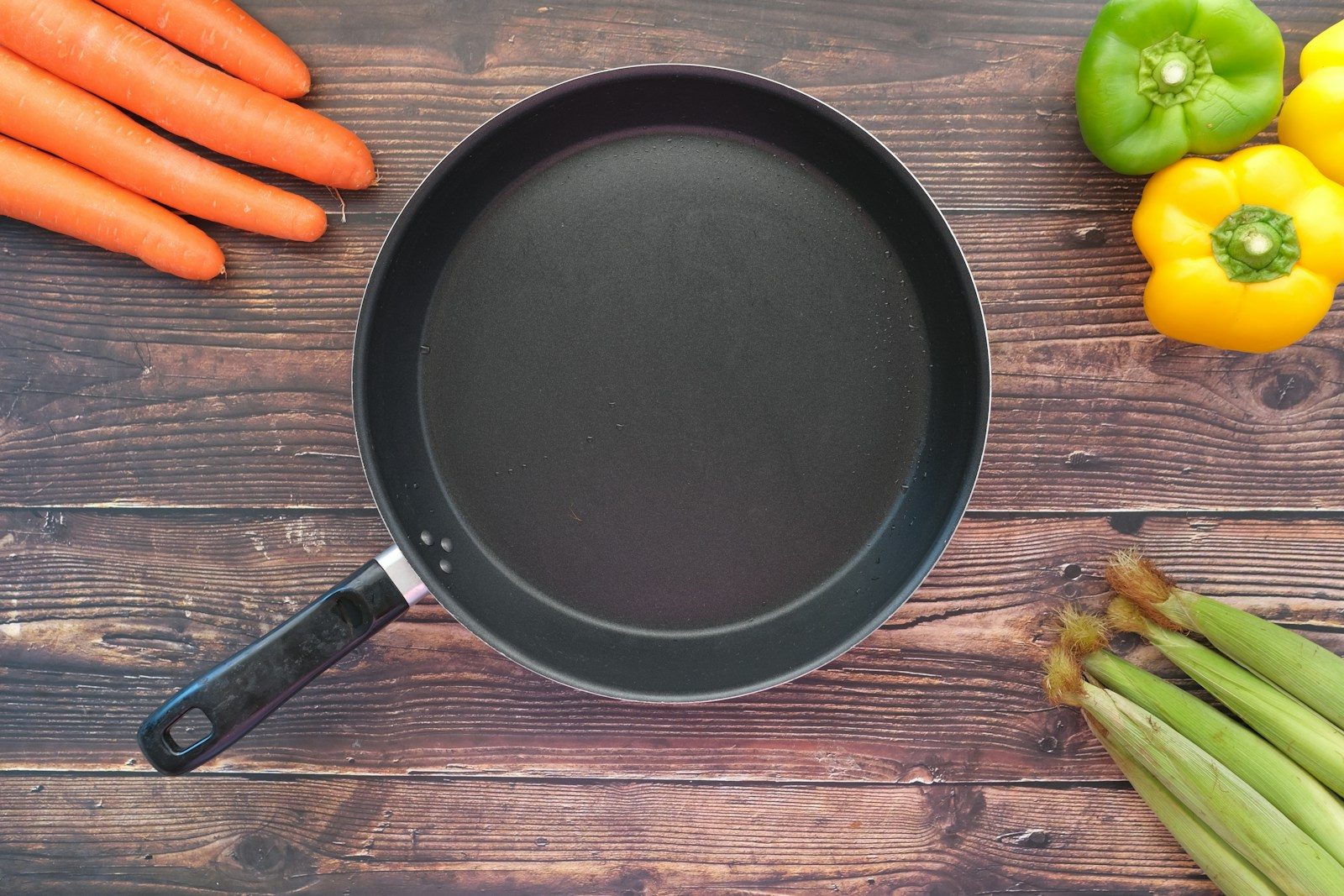
    • Some nonstick cookware, especially older or scratched pans
    • Stain- and water-resistant carpets, upholstery and outdoor gear
    • Grease-resistant food packaging, such as some fast-food wrappers and microwave popcorn bags
    • Some cosmetics and dental floss

    What the rules say in 2026

    In 2024, the EPA set the first national drinking water limits for six PFAS. In May 2026, the agency proposed changes: it would keep the 4 parts per trillion limits for PFOA and PFOS, propose rescinding standards for four other PFAS, and let qualifying water systems apply for extra time, until 2031, to comply, according to Ballard Spahr and Harvard’s Environmental and Energy Law Program. Legal challenges are expected, and several states have their own, sometimes stricter, PFAS rules.

    Why we rated this “Moderate”: Regulators agree some PFAS can harm health and that exposure is widespread. But there are thousands of PFAS, research on most of them is limited, and the health effects at typical exposure levels are still being studied. How we rate evidence

    How to cut your PFAS exposure

    1. Check your water. Look up your utility’s annual water quality report, or test private well water.
    2. Filter if needed. Choose a filter certified to reduce PFOA and PFOS. See Choosing a Water Filter: What Each Certification Actually Removes.
    3. Rethink cookware. Replace scratched nonstick pans; consider cast iron, stainless steel or ceramic.
    4. Skip stain-resistant treatments on new furniture and carpets when you can.
    5. Cut back on greasy takeout packaging and microwave popcorn bags; pop corn on the stove instead.

    Cleaner swaps to try

    We may earn a commission if you buy through links in our product picks. It never affects our ratings.

    • Water: a pitcher or under-sink filter certified for PFOA/PFOS reduction
    • Cookware: cast iron or stainless steel pans
    • Popcorn: plain kernels and a stovetop popper
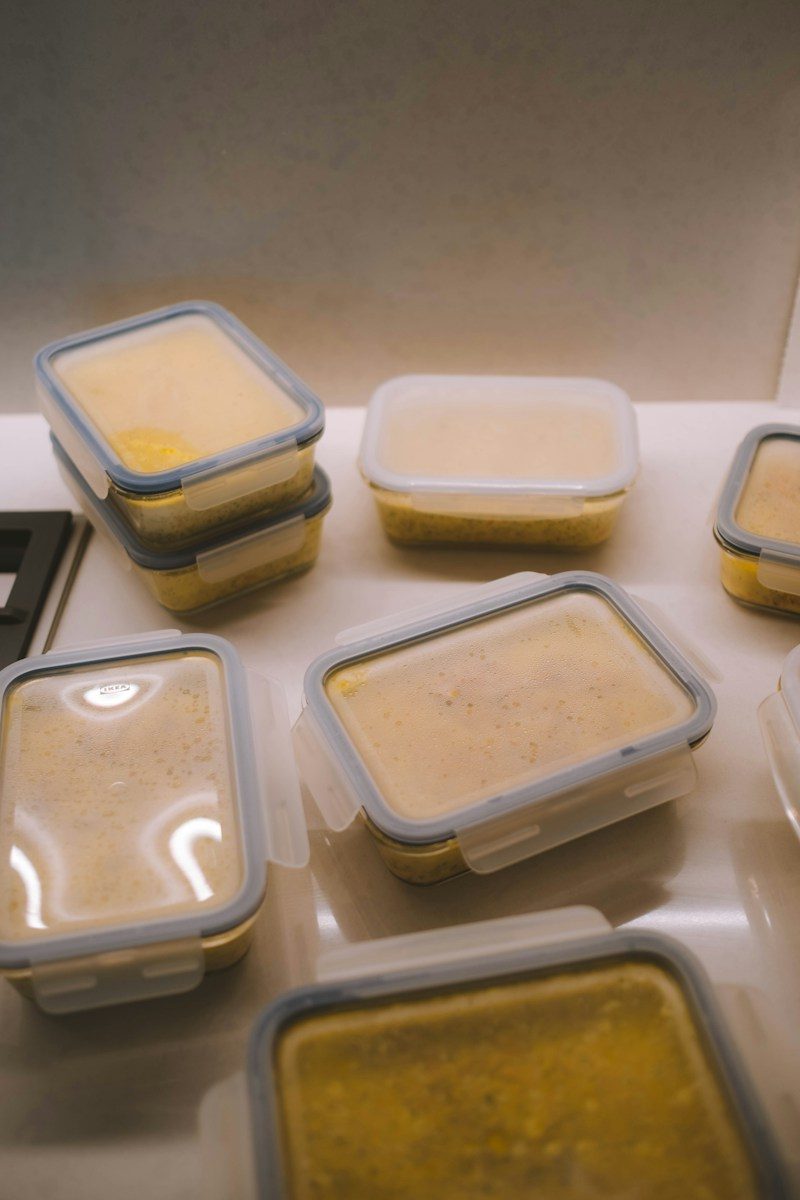
    • Food storage: glass containers instead of coated packaging

    The bottom line

    PFAS are widespread and slow to break down. Federal water limits for PFOA and PFOS remain, but deadlines and other standards are shifting. You can lower your exposure today with a certified water filter and a few cleaner swaps. See more in our Avoid List.

    Want one evidence-checked story and three easy swaps every week? Subscribe to our free newsletter.

    Sources

    1. U.S. Environmental Protection Agency. Per- and Polyfluoroalkyl Substances (PFAS).
    2. Harvard Environmental & Energy Law Program. PFAS in Drinking Water: Regulatory Tracker. 2026.
    3. Ballard Spahr. EPA Rolls Back PFAS Regulations; States Fill the Gap. June 2026.
  • Phthalates: Where They Hide in Everyday Products

    Phthalates: Where They Hide in Everyday Products

    Evidence: Moderate

    Key takeaways

    • Phthalates are chemicals that make plastics soft and help scents last. They’re in many everyday products.
    • National testing shows most people have measurable phthalate exposure.
    • Animal studies and some human studies link certain phthalates to hormone and reproductive effects; research in people is ongoing.
    • Cutting back on fragranced products, vinyl and plastic food containers lowers exposure.

    Phthalates (pronounced THAL-ates) rarely appear on labels, but they’re in many products we touch every day. Here’s where they hide, what researchers know about their health effects, and easy ways to reduce your exposure.

    What are phthalates?

    Phthalates are a group of chemicals used to make plastics like vinyl (PVC) soft and flexible, and to help fragrances last longer. Because they aren’t chemically bound to plastic, they can leach out over time, especially with heat, according to a National Research Council report.

    Where phthalates hide

    • Vinyl products: shower curtains, flooring, some raincoats and toys
    • Fragranced products: perfume, scented lotions, air fresheners and detergents, often hidden under the word “fragrance”
    • Food: from processing equipment, tubing and packaging, especially in fatty or processed foods
    • Household dust, which collects phthalates released from products

    Because “fragrance” can hide many ingredients, phthalates often don’t appear on labels at all. Read more in what “fragrance” on a label can hide.

    What does the research say?

    U.S. national health surveys have measured phthalate breakdown products in the urine of most people tested, and research has found higher levels in children than adults. Phthalates are considered potential endocrine disruptors, chemicals that can interfere with hormones, according to the National Institute of Environmental Health Sciences. Animal studies have linked certain phthalates to reproductive and developmental effects, and some human studies have found associations, but researchers note that effects in people haven’t been conclusively demonstrated.

    Why we rated this “Moderate”: Exposure is well documented, and animal evidence of hormone-related effects is substantial for some phthalates. Human evidence is more limited and mostly observational, so we rate this Moderate. How we rate evidence

    How to cut your exposure

    1. Choose fragrance-free personal care and cleaning products.
    2. Don’t microwave food in plastic. Use glass or ceramic instead.
    3. Swap vinyl shower curtains for fabric ones.
    4. Cook more fresh food and eat less heavily processed and fast food.
    5. Dust and vacuum regularly with a damp cloth or HEPA vacuum, and wash hands before eating.

    Cleaner swaps to try

    We may earn a commission if you buy through links in our product picks. It never affects our ratings.

    • Fabric shower curtain instead of vinyl
    • Glass food-storage containers
    • Fragrance-free lotion and detergent
    • Stainless steel water bottle

    The bottom line

    Phthalates are common, mostly hidden from labels, and linked to hormone concerns in research. You can’t avoid them completely, but going fragrance-free, keeping plastic away from heat and food, and reducing processed foods all help. More in our Avoid List and pantry swaps.

    Want one evidence-checked story and three easy swaps every week? Subscribe to our free newsletter.

    Sources

    1. National Research Council. Phthalates and Cumulative Risk Assessment: Phthalate Exposure Assessment in Humans. National Academies Press, 2008.
    2. National Institute of Environmental Health Sciences. Endocrine Disruptors.
    3. Congressional Research Service. Phthalates in Plastics and Possible Human Health Effects. 2008.
  • Synthetic Food Dyes: What’s Being Phased Out and How to Avoid Them

    Synthetic Food Dyes: What’s Being Phased Out and How to Avoid Them

    Evidence: Moderate

    Key takeaways

    • The FDA has asked food companies to voluntarily remove six petroleum-based dyes: Red 40, Yellow 5, Yellow 6, Blue 1, Blue 2 and Green 3. The target has slipped from the end of 2026 to the end of 2027.
    • Red 3 is the one dye that is formally banned in food, with a January 2027 deadline.
    • Research links some synthetic dyes to behavior changes in some children, but past FDA reviews haven’t confirmed a causal link.
    • You can avoid them today by reading ingredient lists and choosing products colored with plant-based sources.

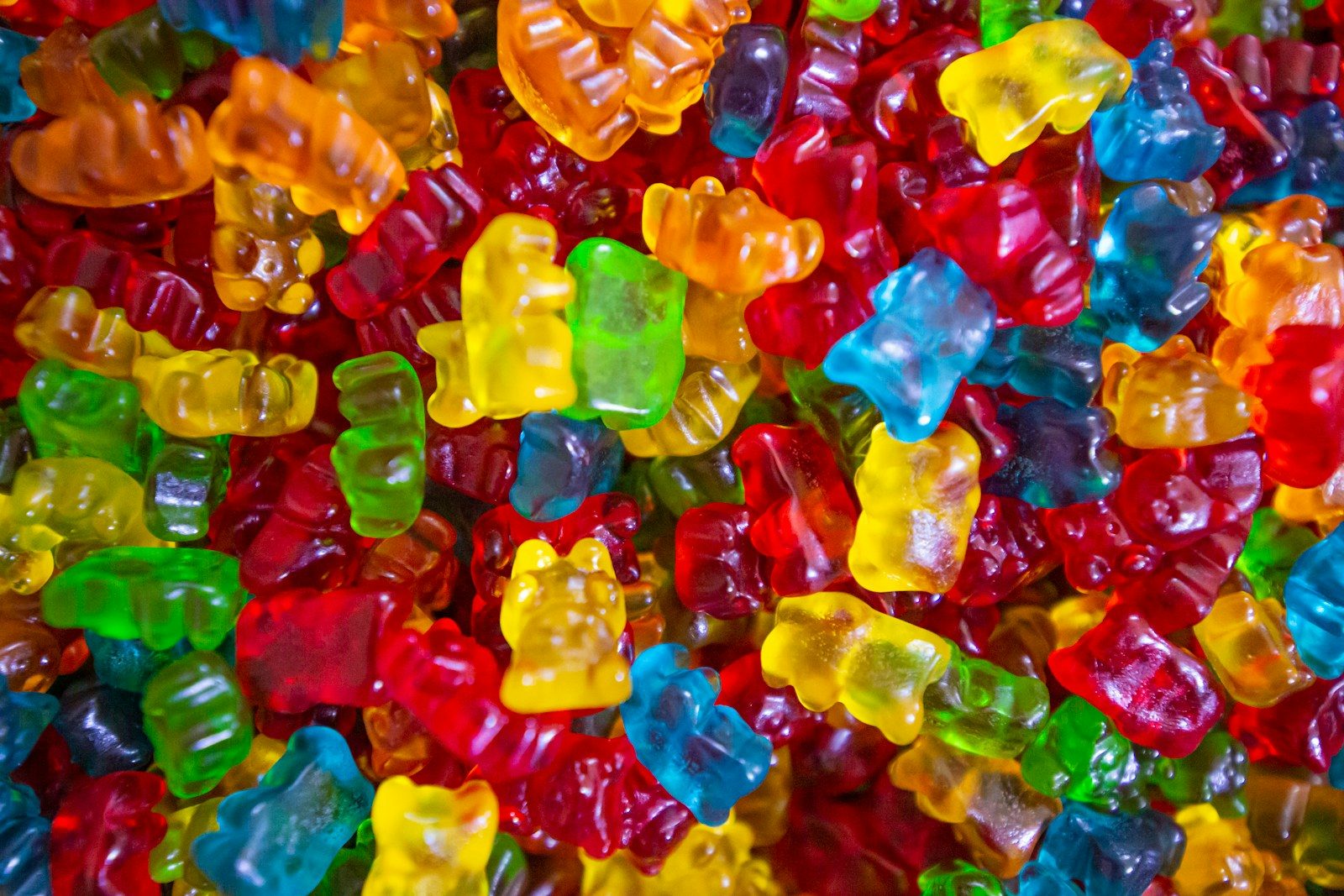
    Bright candies, sports drinks and cereals get their colors from synthetic food dyes, petroleum-based additives that have been used in American food for decades. In 2025, federal health officials announced a plan to phase them out. But “phase out” doesn’t mean what many people think, and most of these dyes are still in stores today.

    Here’s which dyes are affected, what the research actually shows, and how to avoid them now if you want to.

    Which food dyes are being phased out?

    In April 2025, the FDA and the Department of Health and Human Services announced a plan to remove petroleum-based synthetic dyes from the U.S. food supply. The plan has three parts:

    • Red 3 (erythrosine): formally banned. The FDA revoked its authorization in January 2025; food makers have until January 2027 to remove it.
    • Citrus Red 2 and Orange B: two rarely used dyes the FDA moved to revoke.
    • The “big six”: Red 40, Yellow 5, Yellow 6, Blue 1, Blue 2 and Green 3. These are the dyes you’ll see most often on labels.

    Is it a ban? Not exactly

    This is the part most headlines miss. For the big six, the FDA is asking companies to stop using them. It’s a voluntary phase-out, not a legal ban, and there are no penalties for companies that don’t comply. The original goal was the end of 2026, but the FDA’s own tracker now lists the end of 2027, as the Center for Responsible Food Business reports.

    Many companies have pledged to switch. According to Consumer Reports, Campbell’s says it will stop producing foods and drinks with FD&C colors in its 2026 fiscal year, and Mars says it will offer options without certified colors starting in 2026. Some retailers, such as Target for its cereal aisle, have already finished. Others are still in progress.

    What does the research say about food dyes?

    Concerns about synthetic dyes focus mostly on children. Some studies have linked certain dyes to hyperactivity or attention problems in some kids, and Red 3 was banned under a law that prohibits additives found to cause cancer in animals; it caused cancer in laboratory rats. However, past FDA reviews have not confirmed that the big six dyes cause behavior problems in children in general.

    Europe has taken a middle path. Since 2010, foods sold in the EU containing several of these dyes have carried warning labels, which led many companies to switch to colors from beets, turmeric and other plants.

    Why we rated this “Moderate”: The regulatory facts are well documented. The health evidence is mixed: some studies suggest behavioral effects in some children, but regulators haven’t confirmed a causal link for the big six dyes. That’s why we rate this Moderate rather than Strong. How we rate evidence

    How to spot synthetic dyes on a label

    Check the ingredient list for any of these names:

    • Red 40, Red No. 40, FD&C Red No. 40, or Allura Red
    • Yellow 5 (tartrazine) or Yellow 6 (sunset yellow)
    • Blue 1 (brilliant blue) or Blue 2 (indigo carmine)
    • Green 3 (fast green)
    • Red 3 (erythrosine)
    • “Lake” versions, such as “Red 40 Lake,” which are the same dyes in a different form

    Plant-based colorings are usually listed by their source, such as beet juice, turmeric, paprika extract, spirulina or annatto. Learn more ways to read labels in our Ingredient Decoder.

    Cleaner swaps to try

    We may earn a commission if you buy through links in our product picks. It never affects our ratings.

    • Instead of brightly colored sports drinks: water with citrus, or drinks colored with fruit or vegetable juice
    • Instead of dyed breakfast cereals: cereals colored with fruit and vegetable concentrates, or plain oats with fruit
    • Instead of dyed candy: brands that color with plant sources like beet, spirulina and turmeric
    • For baking: plant-based food coloring kits for frosting and decorating

    The bottom line

    Synthetic food dyes aren’t gone yet. Except for Red 3, they’re still legal, and the voluntary phase-out now runs through 2027. The evidence on health effects is mixed, but if you’d rather avoid them, especially for kids, it’s easy: read the ingredient list and choose products colored with plant sources. Find more cleaner options in Swaps and see related reading on ultra-processed foods.

    Want one evidence-checked story and three easy swaps every week? Subscribe to our free newsletter.

    Sources

    1. Consumer Reports. One Year Later: Are Synthetic Dyes Still in Our Food?. 2026.
    2. Center for Responsible Food Business. Are Food Dyes Being Banned in the U.S.?. 2026.
    3. New Food Magazine. FDA announces plan to phase out synthetic food dyes. 2025.
    4. Xtalks. FDA to Phase Out Petroleum-Based Food Dyes in Favor of Natural Alternatives. 2025.
  • Parabens in Skincare: Should You Avoid Them?

    Parabens in Skincare: Should You Avoid Them?

    Evidence: Moderate

    Key takeaways

    • Parabens are preservatives that keep cosmetics from growing bacteria and mold.
    • The FDA says it doesn’t have information showing parabens, as used in cosmetics, affect human health.
    • The EU has banned five less-studied parabens and limits others; some U.S. states have added their own restrictions.
    • Concerns center on weak hormone-like activity. If you’d rather avoid them, “paraben-free” products are easy to find, but check what preservative replaces them.

    “Paraben-free” is one of the most common claims in skincare. But are parabens in skincare actually harmful, or is the label more marketing than science? The honest answer sits somewhere in between.

    What are parabens?

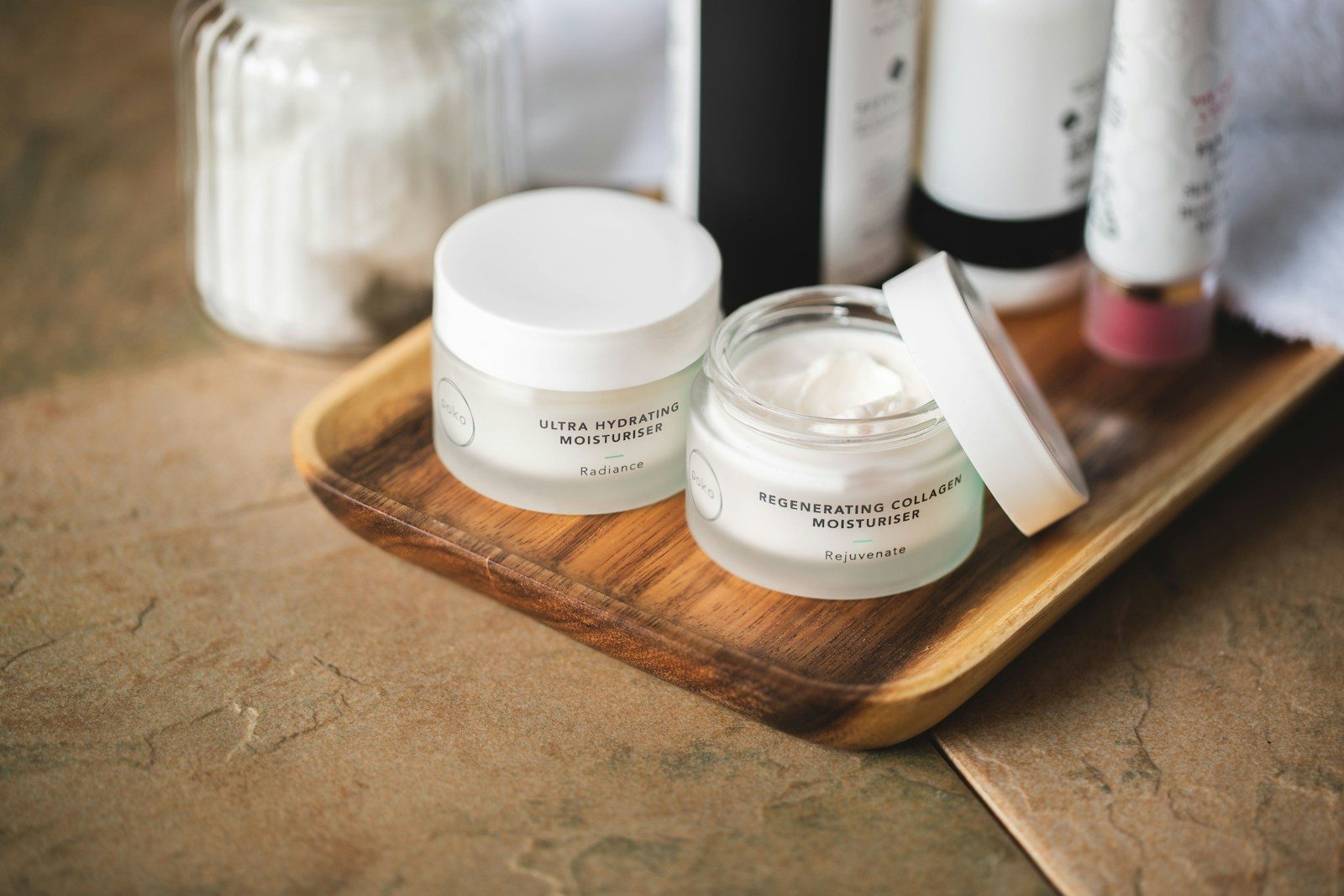
    Parabens are a family of preservatives, including methylparaben, ethylparaben, propylparaben and butylparaben, used in lotions, shampoos, makeup and many other products. Preservatives matter: water-based products without them can grow bacteria and mold, which can cause real skin infections and irritation.

    Why are people worried about parabens?

    Parabens can act like very weak estrogen in laboratory studies, which raised concern that they might disrupt hormones. They’re also absorbed into the body: biomonitoring studies have found parabens in most people tested. And some longer-chain parabens, such as propylparaben and butylparaben, show stronger hormone-like activity than shorter ones.

    What do regulators say?

    Regulators have reached somewhat different conclusions:

    • United States: The FDA says it does not have information showing that parabens, as they are used in cosmetics, have an effect on human health. There are no specific federal limits on parabens in cosmetics.
    • European Union: The EU banned five parabens (isopropyl-, isobutyl-, phenyl-, benzyl- and pentylparaben) because there wasn’t enough safety data, and it limits propylparaben and butylparaben to low concentrations, according to regulatory summaries. EU scientists consider methyl- and ethylparaben safe at current limits.
    • U.S. states: Several states, including California and Washington, have passed laws restricting certain parabens in cosmetics, as this regulatory tracker summarizes.

    Why we rated this “Moderate”: Regulatory safety reviews in the U.S. and EU generally conclude that the common parabens are safe at permitted levels, but questions about hormone-like effects of some longer-chain parabens have led to restrictions in Europe and some states. Research is ongoing, so we rate the evidence Moderate. How we rate evidence

    Should you avoid parabens?

    For most people, parabens at the levels allowed in cosmetics are not considered a proven health risk. That said, avoiding them is a reasonable personal choice, especially for products you use daily and leave on your skin, or for products used on babies and young children, where Europe has been more cautious.

    If you go paraben-free, check the replacement

    Products still need a preservative. Common replacements include phenoxyethanol, sodium benzoate and potassium sorbate. Some alternative preservatives are more likely to cause skin allergies than parabens, so “paraben-free” isn’t automatically gentler. If you have sensitive skin, look at the whole ingredient list, and consider fragrance too: see what “fragrance” on a label can hide.

    How to spot parabens on a label

    Look for any ingredient ending in “-paraben”: methylparaben, ethylparaben, propylparaben, butylparaben, isobutylparaben and so on. They’re usually near the end of the ingredient list because they’re used in small amounts.

    Cleaner swaps to try

    We may earn a commission if you buy through links in our product picks. It never affects our ratings.

    • Everyday moisturizer: a fragrance-free, paraben-free lotion with a short ingredient list
    • For babies: simple, fragrance-free products made for sensitive skin
    • Anhydrous options: balms and oils without water often need little or no preservative

    The bottom line

    The common parabens are considered safe at permitted levels by U.S. and EU regulators, but some hormone-related questions have led to tighter rules in Europe and several states. Avoiding parabens is a reasonable choice, just don’t assume “paraben-free” means safer: check what preservative replaces them. See more in our Avoid List and Ingredient Decoder.

    Want one evidence-checked story and three easy swaps every week? Subscribe to our free newsletter.

    Sources

    1. U.S. Food and Drug Administration. Parabens in Cosmetics.
    2. Cosmeservice. Parabens in Cosmetics: Safety and Updated Rules. 2025.
    3. PolicyCanary. Parabens: FDA Status, State Bans and Global Restrictions. 2026.
    4. The Week. Beauty product ingredients banned in the EU but legal in the US.