Evidence: Moderate
Key takeaways
- BPA is a chemical used in some hard plastics and in the linings of many food cans.
- The FDA says BPA is safe at current exposure levels, while Europe’s food safety agency cut its safe intake level dramatically in 2023, and the EU banned BPA in food contact materials starting in 2025.
- “BPA-free” products often use similar chemicals such as BPS or BPF, which may have similar hormone effects.
- Using fewer canned foods and keeping plastic away from heat lowers exposure to all of them.
“BPA-free” is printed on water bottles, food containers and baby products. But what does BPA-free really mean, and is it automatically safer? Here’s what the science and regulators say, and what replaced BPA.
What is BPA?
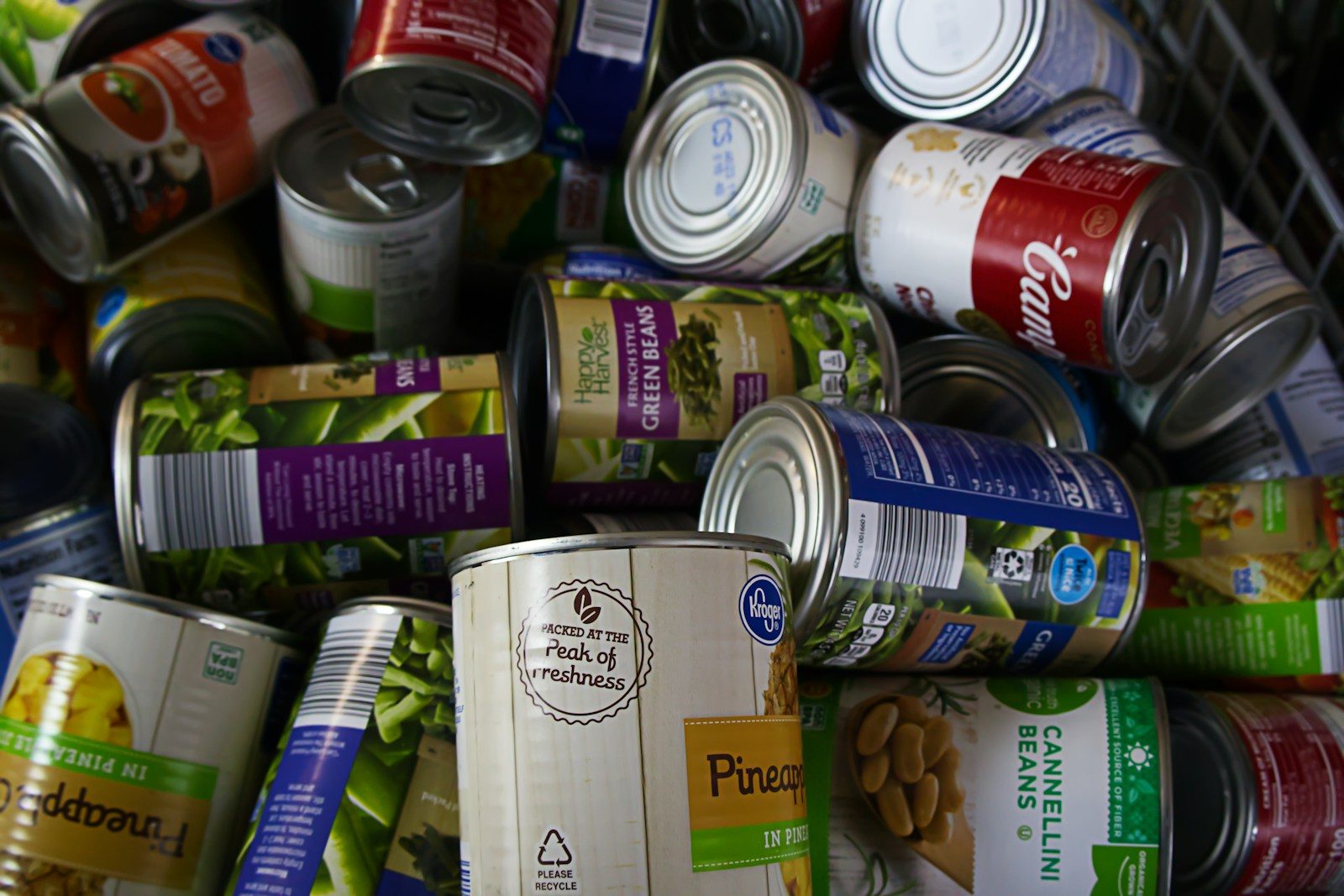
Bisphenol A (BPA) is an industrial chemical used since the 1950s to make polycarbonate plastics and the epoxy resins that line many food and drink cans. Small amounts can migrate into food and drinks, especially with heat. BPA can mimic estrogen in the body, which is why researchers study it as a possible endocrine disruptor.
Regulators disagree on BPA
The FDA says BPA is safe at the levels currently found in foods. In 2012 it stopped allowing BPA in baby bottles and sippy cups, after manufacturers had already stopped using it there. Europe has taken a stricter path. In 2023, the European Food Safety Authority lowered its tolerable daily intake for BPA by about 20,000 times, concluding that typical exposure may be a health concern. Following that review, the EU banned BPA and other hazardous bisphenols in food contact materials, with the ban taking effect January 20, 2025, and transition periods for some products.
What replaced BPA?
Many “BPA-free” products use related chemicals, most often bisphenol S (BPS) or bisphenol F (BPF). A 2015 review in Environmental Health Perspectives found that BPS and BPF had hormone activity in lab studies similar to BPA. That’s why some experts call these “regrettable substitutions”: “BPA-free” doesn’t necessarily mean “bisphenol-free.”
Why we rated this “Moderate”: BPA’s hormone activity is well documented, and Europe has acted on it, but U.S. regulators consider current exposure safe and human evidence is largely observational. Data on replacement bisphenols are more limited. How we rate evidence
How to lower your bisphenol exposure
- Choose fresh, frozen or dried foods over canned when you can, or look for cans labeled with non-bisphenol linings.
- Don’t microwave or wash plastic in high heat. Use glass or ceramic for hot food.
- Store food in glass or stainless steel.
- Skip receipts when you can. Thermal paper receipts often contain BPA or BPS.
- Replace old, scratched plastic bottles and containers.
Cleaner swaps to try
We may earn a commission if you buy through links in our product picks. It never affects our ratings.
- Glass food-storage containers
- Stainless steel water bottle
- Dried beans or beans in glass jars
- Frozen vegetables instead of canned
Related reading
The bottom line
“BPA-free” is a step, but not a guarantee. The simplest approach is fewer canned and plastic-packaged foods and keeping plastic away from heat. More in our Avoid List, including phthalates and microplastics.
Want one evidence-checked story and three easy swaps every week? Subscribe to our free newsletter.
Sources
- U.S. Food and Drug Administration. Bisphenol A (BPA): Use in Food Contact Application.
- EFSA CEP Panel. Re-evaluation of the risks to public health related to the presence of bisphenol A (BPA) in foodstuffs. EFSA Journal. 2023;21(4):6857.
- European Commission, Access2Markets. EU prohibition on the use and trade of Bisphenol A from 20 January 2025.
- Rochester JR, Bolden AL. Bisphenol S and F: A Systematic Review and Comparison of the Hormonal Activity of Bisphenol A Substitutes. Environ Health Perspect. 2015;123(7):643-650.