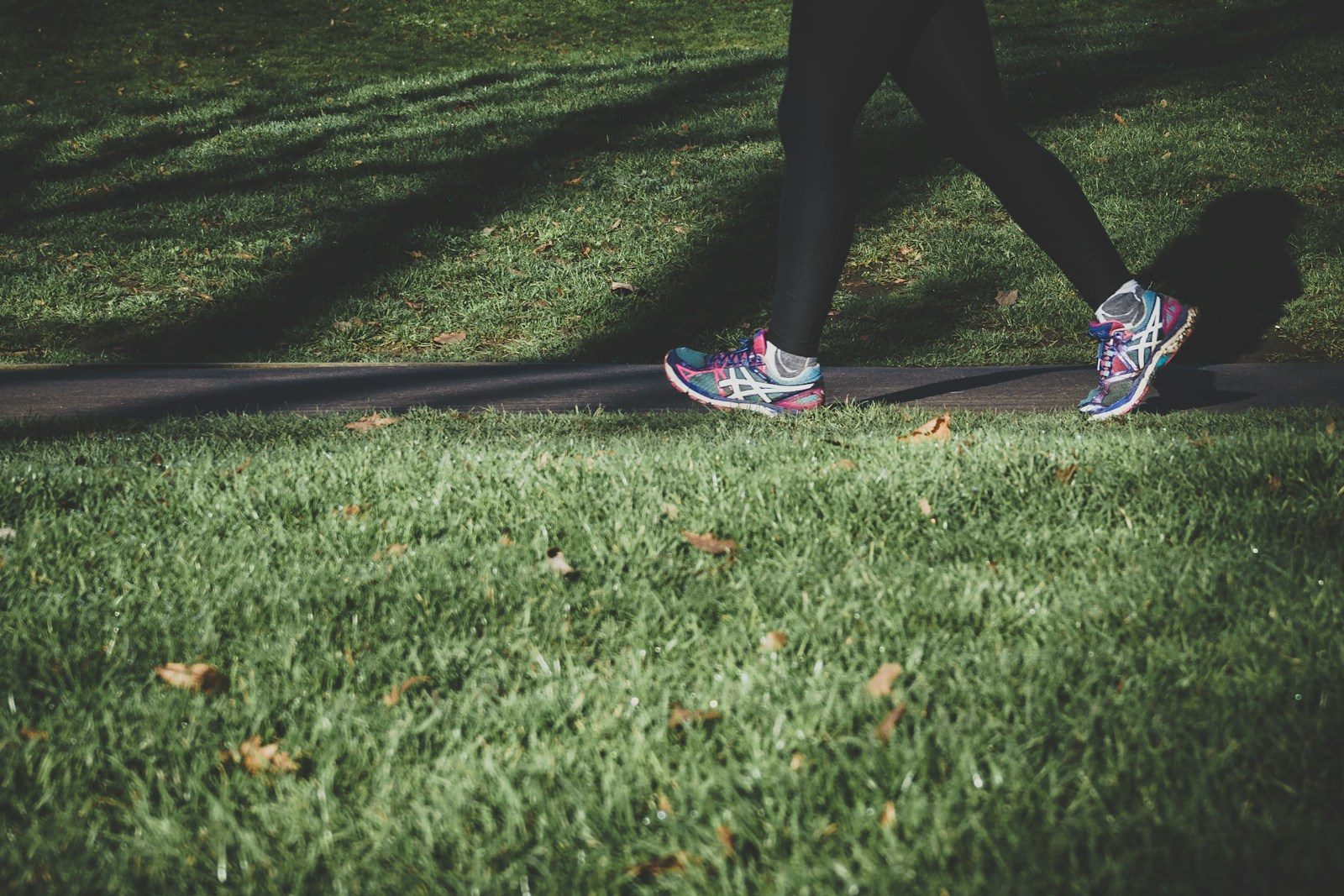
Cleaner choices, backed by evidence. New issue of the newsletter every Thursday. Subscribe free

Category: Wellness Tips

Practical, evidence-checked habits.

  • Fermented Foods: What the Research Says About Your Gut

    Fermented Foods: What the Research Says About Your Gut

    Evidence: Early

    Key takeaways

    • A small Stanford study found that eating more fermented foods for 10 weeks increased gut microbiome diversity and lowered markers of inflammation.
    • The study had 36 adults, so the findings are promising but early.
    • Fermented foods like yogurt, kefir, kimchi and sauerkraut are easy to add to everyday meals.
    • Look for “live and active cultures” and watch added sugar and sodium.

    Fermented foods such as yogurt, kefir, kimchi and sauerkraut have been eaten for centuries. Now researchers are studying how they may affect the gut microbiome, the trillions of microbes living in your digestive tract. Here’s what the research actually shows so far.

    What the Stanford study found

    In a 2021 study published in Cell, Stanford researchers assigned 36 healthy adults to a 10-week diet high in either fermented foods or fiber. People in the fermented-food group ate about six servings a day of foods like yogurt, kefir, fermented cottage cheese, kimchi, other fermented vegetables, vegetable brine drinks and kombucha. That group saw an increase in gut microbiome diversity and decreases in 19 inflammatory proteins measured in the blood. The high-fiber group did not see the same changes in diversity over the study period.

    What it doesn’t show

    • It was a small, short study in healthy adults.
    • It measured biological markers, not disease outcomes.
    • Six servings a day is a lot more than most people eat.
    • Fermented foods are different from probiotic supplements, which have mixed evidence, according to the National Center for Complementary and Integrative Health.

    Why we rated this “Early”: The Stanford findings are interesting and come from a well-designed randomized study, but it was small and short, and larger studies are needed to confirm the effects. How we rate evidence

    Easy ways to add fermented foods

    1. Breakfast: plain yogurt or kefir with fruit
    2. Lunch: a forkful of sauerkraut or kimchi on a sandwich or bowl
    3. Snack: cottage cheese with live cultures
    4. Dinner: miso in soups or dressings (add it after cooking to keep cultures alive)
    5. Drink: low-sugar kombucha in moderation

    What to look for on the label

    • “Live and active cultures”: many shelf-stable pickles and sauerkrauts are pasteurized, which kills the cultures. Look in the refrigerated section.
    • Added sugar: flavored yogurts and kombuchas can be high. See hidden sugar names on labels.
    • Sodium: kimchi, sauerkraut and miso can be salty.

    Cleaner swaps to try

    We may earn a commission if you buy through links in our product picks. It never affects our ratings.

    • Plain whole-milk or Greek yogurt with live cultures
    • Plain kefir
    • Refrigerated raw sauerkraut or kimchi
    • Low-sugar kombucha

    The bottom line

    Early research suggests fermented foods may support a more diverse gut microbiome. They’re an easy, low-risk addition to a whole-food diet. Start small, choose options with live cultures and little added sugar, and see our pantry swaps and Wellness Tips for more.

    Want one evidence-checked story and three easy swaps every week? Subscribe to our free newsletter.

    Sources

    1. Wastyk HC, et al. Gut-microbiota-targeted diets modulate human immune status. Cell. 2021;184(16):4137-4153.
    2. National Center for Complementary and Integrative Health. Probiotics: What You Need To Know.
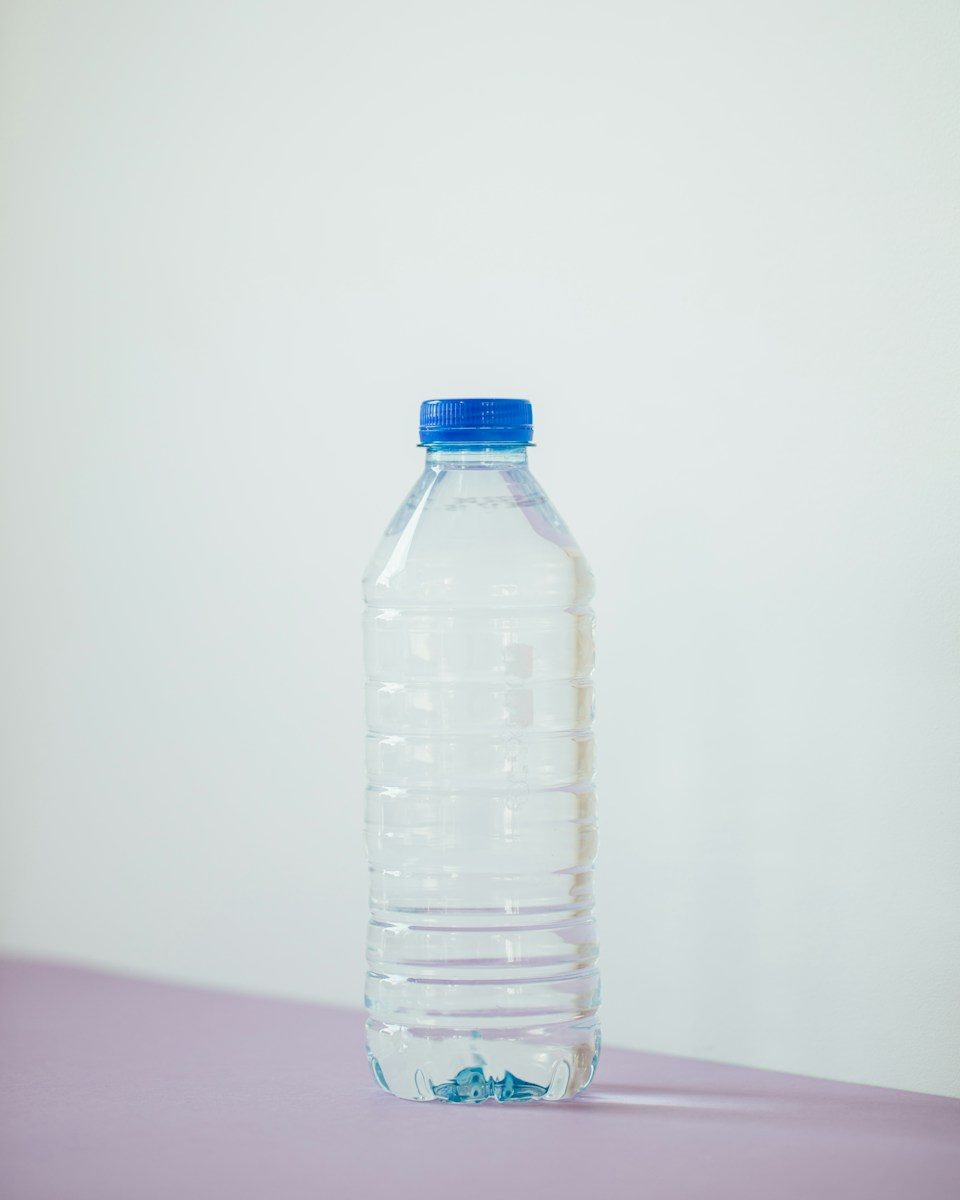
  • Water vs. Sports Drinks: What You Actually Need

    Water vs. Sports Drinks: What You Actually Need

    Evidence: Strong

    Key takeaways

    • For most people and most activities, water is the best way to stay hydrated.
    • The American Academy of Pediatrics says water should be the main source of hydration for children and teens.
    • Sports drinks are designed for prolonged, vigorous exercise or heavy sweating, not everyday sipping.
    • Many sports drinks add sugar, sodium and sometimes synthetic dyes.

    Sports drinks are marketed as the smart choice for staying hydrated. But for everyday life, a gym session or a kids’ soccer practice, do you really need one? Here’s what the evidence says about water vs. sports drinks.

    What sports drinks are actually for

    Sports drinks contain water, carbohydrates (sugar) and electrolytes like sodium and potassium. They were designed to help athletes replace fluids, electrolytes and energy during long, intense exercise. In a 2011 clinical report, the American Academy of Pediatrics concluded that water, not sports drinks, should be the principal source of hydration for children and adolescents, and that sports drinks have a limited role for young athletes during prolonged, vigorous activity.

    Why we rated this “Strong”: This guidance comes from major medical and scientific bodies and reflects a broad consensus on hydration for everyday activity. How we rate evidence

    How much water do you need?

    Needs vary with age, body size, activity and climate. The National Academies set general adequate intakes for total water from all beverages and foods, and note that most healthy people meet their needs by letting thirst guide them and drinking with meals.

    When a sports drink might make sense

    • Prolonged, vigorous exercise, roughly an hour or more
    • Heavy sweating in hot, humid weather
    • Endurance events like long runs, rides or tournaments

    For most workouts under an hour, water is enough.

    What to watch for

    • Added sugar: a full bottle can contain a lot. See hidden sugar names on labels.
    • Synthetic dyes: many brightly colored drinks contain Red 40 or Blue 1. See dye-free swaps for kids.
    • Energy drinks are different from sports drinks and often contain caffeine and other stimulants. The AAP advises against them for children and teens.

    Cleaner swaps to try

    We may earn a commission if you buy through links in our product picks. It never affects our ratings.

    • Reusable insulated water bottle
    • Water with fresh fruit or cucumber slices for flavor
    • Dye-free, lower-sugar electrolyte drinks for long, sweaty sessions

    The bottom line

    Water is the best everyday drink for hydration. Save sports drinks for long, intense or very sweaty activity, and choose dye-free, lower-sugar options when you do. More in Wellness Tips.

    Want one evidence-checked story and three easy swaps every week? Subscribe to our free newsletter.

    Sources

    1. Committee on Nutrition and the Council on Sports Medicine and Fitness. Sports Drinks and Energy Drinks for Children and Adolescents: Are They Appropriate? Pediatrics. 2011;127(6):1182-1189.
    2. National Academies of Sciences, Engineering, and Medicine. Dietary Reference Intakes for Water, Potassium, Sodium, Chloride, and Sulfate. 2005.
  • A Short Walk After Meals: What the Evidence Shows

    A Short Walk After Meals: What the Evidence Shows

    Evidence: Moderate

    Key takeaways

    • Light walking after meals lowered blood sugar spikes compared with sitting in a 2022 review of seven studies.
    • Even 2 to 5 minutes of light walking made a difference in the studies reviewed.
    • Walking within about 60 to 90 minutes after eating appears to be the most helpful window.
    • It’s free, simple and fits into most daily routines.

    A short walk after meals is one of the simplest healthy habits you can try. Research suggests that even a few minutes of light movement after eating can help blunt the blood sugar spike that follows a meal. Here’s what the evidence shows.

    What the research found

    In a 2022 review published in Sports Medicine, researchers analyzed seven studies comparing sitting with standing or light walking after meals. Light walking significantly lowered post-meal blood sugar compared with prolonged sitting, and standing had a smaller effect. Many of the walking breaks were just 2 to 5 minutes long.

    Why it may help

    After a meal, blood sugar rises as your body digests carbohydrates. When you move, your muscles use glucose for energy, which may help bring blood sugar levels down more quickly. That’s why timing matters: the researchers noted that moving within roughly 60 to 90 minutes after eating, when blood sugar tends to peak, may be most helpful.

    Why we rated this “Moderate”: The review pooled several controlled studies with consistent results, but the studies were small and short-term, and they measured blood sugar rather than long-term health outcomes. How we rate evidence

    How to make it a habit

    1. Start small: a 2- to 5-minute walk counts.
    2. Pair it with a meal you eat daily, like lunch or dinner.
    3. Walk around the house, the block or the office.
    4. Make it social: walk with family, a friend or the dog.
    5. Build toward the national guidelines of at least 150 minutes of moderate activity a week, from the Physical Activity Guidelines for Americans.

    If you have diabetes or another health condition, talk with your healthcare provider about what activity is right for you.

    Cleaner swaps to try

    We may earn a commission if you buy through links in our product picks. It never affects our ratings.

    • Comfortable walking shoes
    • A simple step counter or phone app
    • Lightweight rain jacket for all-weather walks

    The bottom line

    A few minutes of light walking after meals is an easy, low-cost habit with promising research behind it. Pair it with whole-food meals; see our pantry swaps and more Wellness Tips.

    Want one evidence-checked story and three easy swaps every week? Subscribe to our free newsletter.

    Sources

    1. Buffey AJ, et al. The Acute Effects of Interrupting Prolonged Sitting Time in Adults with Standing and Light-Intensity Walking on Biomarkers of Cardiometabolic Health in Adults: A Systematic Review and Meta-analysis. Sports Medicine. 2022;52:1765-1787.
    2. U.S. Department of Health and Human Services. Physical Activity Guidelines for Americans.