
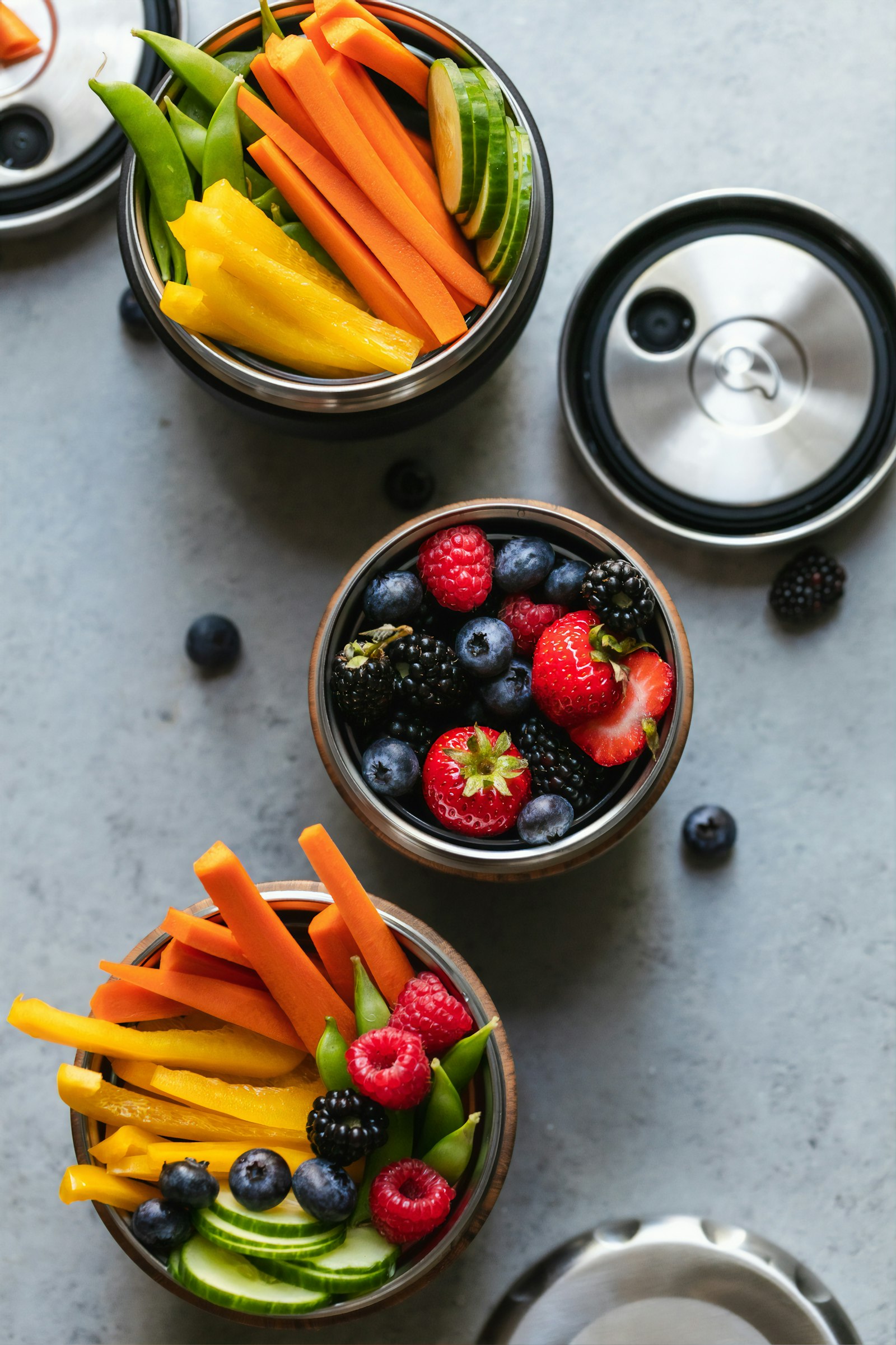
Evidence: Moderate
Key takeaways
- Most kids need to try a new food 8 to 15 times before they accept it, but many parents give up after 3 to 5 tries.
- Pressure backfires. Offer new foods alongside familiar ones, eat them yourself, and let kids decide how much to eat.
- The American Heart Association recommends kids ages 2 to 18 have less than 25 grams of added sugar a day and no more than 8 ounces of sugary drinks a week.
- Make changes gradually, one swap at a time, and keep healthy snacks for kids easy to grab.
Changing what your kids eat can feel like a battle. But with the right approach, you can cut back on sugar and processed foods, introduce new foods, and still give them healthy snacks for kids that they’ll actually eat. Here’s what the research says works, and what doesn’t.
Why picky eaters resist new foods
First, picky eating is normal. In one large study, the share of children whose caregivers called them picky eaters rose from 19% at four months to 50% by two years old. Around age two, many children develop a natural wariness of new foods. It’s a phase most kids grow out of, not a sign you’re doing something wrong.
The power of repeated exposure
In fact, the most consistent finding in the research: kids need to taste a new food many times before they like it. Studies suggest 8 to 15 exposures for many children. Yet the same study found that most caregivers offered a new food only three to five times before deciding their child didn’t like it.
Good news: an “exposure” can be small. A single bite counts, and so does touching, smelling or helping cook a food. Rewards like praise or stickers, rather than dessert, can help children try a food, especially combined with repeated tasting.
How to change your kids’ diet without a fight
- Start with one swap at a time. For example, switch flavored yogurt to plain yogurt with fruit this week, and juice to water next week.
- Serve a “safe” food at every meal. Put a new food next to something your child already likes, so there’s no pressure to eat it.
- Skip the pressure and bribes. Don’t force bites or use dessert as a reward; both can make kids like a food less.
- Eat it yourself. Kids copy what they see. Children whose parents model healthy eating tend to be less picky.
- Get them cooking. Kids are more likely to try food they washed, stirred or chose at the store.
- Offer, don’t negotiate. A helpful rule many dietitians use: parents decide what, when and where food is served; kids decide whether and how much to eat.
- Keep a routine. Regular meal and snack times help kids come to the table hungry instead of grazing all day.
Cutting back on sugar for kids
The American Heart Association recommends that children ages 2 to 18 have less than 25 grams (about 6 teaspoons) of added sugar a day, no more than one 8-ounce sugary drink a week, and that children under 2 have no added sugar at all. A single 12-ounce can of soda has more than a full day’s limit.
- Make water and milk the default drinks; dilute juice if your child is used to it, then phase it out.
- Check labels on cereal, yogurt, granola bars and “kids” snacks; they can be surprisingly sweet. Here’s how to spot hidden sugar.
- Keep treats as treats, not daily snacks.
- Swap brightly colored snacks for dye-free options; see Dye-Free Snacks for Kids.
20 healthy snacks for kids they’ll actually eat
| Snack | Why it works |
|---|---|
| Apple slices with peanut butter | Protein and fiber keep kids full |
| Plain yogurt with berries and a drizzle of honey (age 1+) | Far less sugar than flavored yogurt |
| Cheese cubes and whole-grain crackers | Easy to pack |
| Carrot and cucumber sticks with hummus | Dipping makes veggies fun |
| Hard-boiled eggs | Make a batch for the week |
| Banana “sushi”: banana rolled in nut butter and sliced | Kids love making it |
| Air-popped popcorn | A whole grain (for kids 4 and up) |
| Frozen grapes or blueberries | A cool treat with no added sugar |
| Homemade trail mix: unsweetened cereal, nuts or seeds, raisins | Skip candy pieces |
| Whole-grain toast with mashed avocado | Healthy fats |
| Edamame | Protein-packed and fun to pop |
| Cottage cheese with pineapple | Sweet and filling |
| Mini whole-wheat pita with tuna or chicken salad | A mini-meal for hungry kids |
| Smoothie with plain yogurt, banana and spinach | Hides greens |
| Roasted chickpeas | Crunchy like chips |
| Oatmeal “energy bites”: oats, nut butter, a little honey | No baking needed |
| Snap peas or cherry tomatoes (halved for little ones) | Sweet and crunchy |
| String cheese and an orange | Classic for lunchboxes |
| Whole-grain mini muffins made with mashed banana | Less sugar than store-bought |
| Ants on a log: celery, peanut butter, raisins | A fun throwback |
Safety note: for children under 4, cut round foods like grapes and cherry tomatoes into quarters, and skip whole nuts and popcorn, which are choking hazards. Don’t give honey to babies under 1.
When to talk to your doctor
Talk to your pediatrician if your child eats a very limited number of foods, is losing weight or not growing as expected, gags or vomits with new textures, or if mealtimes are causing a lot of stress. Some children need extra help from a feeding specialist, and that’s okay.
Related reading
The bottom line on picky eaters and healthy snacks for kids
Changing your kids’ diet works best slowly: one swap at a time, lots of no-pressure exposure to new foods, and plenty of healthy snacks for kids on hand. Expect it to take weeks, not days. With patience, most kids come around, and their tastes will keep growing with them.
Want our best evidence-checked stories and easy swaps, once a month? Subscribe to our free newsletter.
This article is for general education and isn’t medical advice. See our medical disclaimer.
Sources
- Carruth BR, et al. Prevalence of picky eaters among infants and toddlers and their caregivers’ decisions about offering a new food. J Am Diet Assoc. 2004. PubMed.
- Vos MB, et al. Added Sugars and Cardiovascular Disease Risk in Children: A Scientific Statement From the American Heart Association. Circulation. 2016. ScienceDaily summary.
- Wardle J, et al. Modifying children’s food preferences: the effects of exposure and reward on acceptance of an unfamiliar vegetable. Eur J Clin Nutr. 2003. DOI.
- Today’s Parent. 5 Science-Backed Ways to Get Your Picky Eater to Try New Foods. todaysparent.com.
Leave a Reply