Evidence: Moderate
Key takeaways
- Light walking after meals lowered blood sugar spikes compared with sitting in a 2022 review of seven studies.
- Even 2 to 5 minutes of light walking made a difference in the studies reviewed.
- Walking within about 60 to 90 minutes after eating appears to be the most helpful window.
- It’s free, simple and fits into most daily routines.
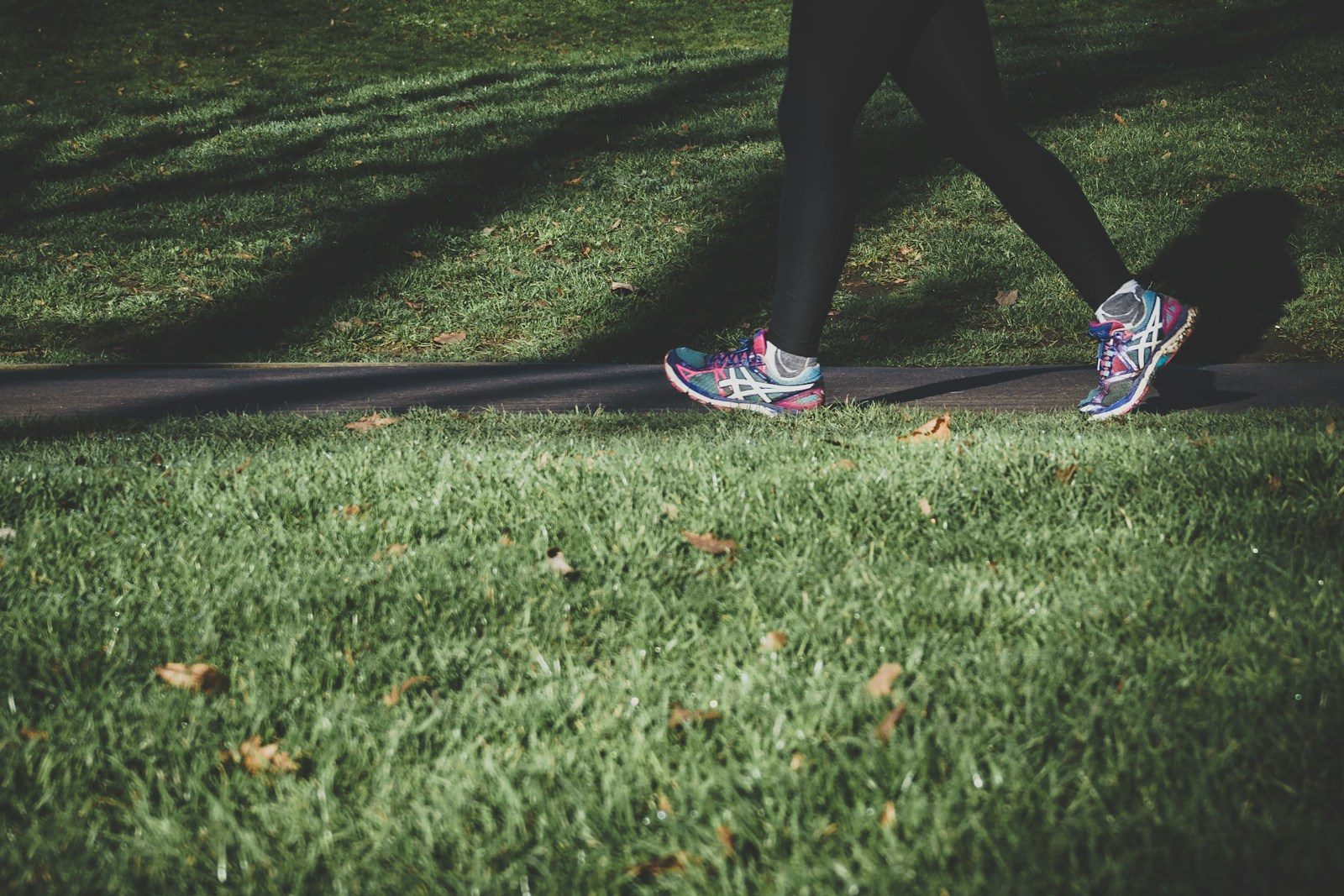
A short walk after meals is one of the simplest healthy habits you can try. Research suggests that even a few minutes of light movement after eating can help blunt the blood sugar spike that follows a meal. Here’s what the evidence shows.
What the research found
In a 2022 review published in Sports Medicine, researchers analyzed seven studies comparing sitting with standing or light walking after meals. Light walking significantly lowered post-meal blood sugar compared with prolonged sitting, and standing had a smaller effect. Many of the walking breaks were just 2 to 5 minutes long.
Why it may help
After a meal, blood sugar rises as your body digests carbohydrates. When you move, your muscles use glucose for energy, which may help bring blood sugar levels down more quickly. That’s why timing matters: the researchers noted that moving within roughly 60 to 90 minutes after eating, when blood sugar tends to peak, may be most helpful.
Why we rated this “Moderate”: The review pooled several controlled studies with consistent results, but the studies were small and short-term, and they measured blood sugar rather than long-term health outcomes. How we rate evidence
How to make it a habit
- Start small: a 2- to 5-minute walk counts.
- Pair it with a meal you eat daily, like lunch or dinner.
- Walk around the house, the block or the office.
- Make it social: walk with family, a friend or the dog.
- Build toward the national guidelines of at least 150 minutes of moderate activity a week, from the Physical Activity Guidelines for Americans.
If you have diabetes or another health condition, talk with your healthcare provider about what activity is right for you.
Cleaner swaps to try
We may earn a commission if you buy through links in our product picks. It never affects our ratings.
- Comfortable walking shoes
- A simple step counter or phone app
- Lightweight rain jacket for all-weather walks
The bottom line
A few minutes of light walking after meals is an easy, low-cost habit with promising research behind it. Pair it with whole-food meals; see our pantry swaps and more Wellness Tips.
Want one evidence-checked story and three easy swaps every week? Subscribe to our free newsletter.
Sources
- Buffey AJ, et al. The Acute Effects of Interrupting Prolonged Sitting Time in Adults with Standing and Light-Intensity Walking on Biomarkers of Cardiometabolic Health in Adults: A Systematic Review and Meta-analysis. Sports Medicine. 2022;52:1765-1787.
- U.S. Department of Health and Human Services. Physical Activity Guidelines for Americans.