Evidence: Moderate
Key takeaways
- “Seed oils” like canola, soybean, corn and sunflower oil are high in an omega-6 fat called linoleic acid.
- Major health organizations, including the American Heart Association, say there’s no evidence to avoid them, and replacing saturated fat with these oils is linked to better heart health.
- The claim that seed oils cause inflammation hasn’t held up well in human studies.
- The bigger issue is often the foods seed oils show up in: fried and ultra-processed foods.
Seed oils have become one of the most argued-about topics in nutrition. Social media posts call them toxic and inflammatory; many nutrition scientists say they’re fine or even good for you. Since we’re all about cleaner choices backed by evidence, we looked at what the research actually says about whether seed oils are bad for you.
What are seed oils?
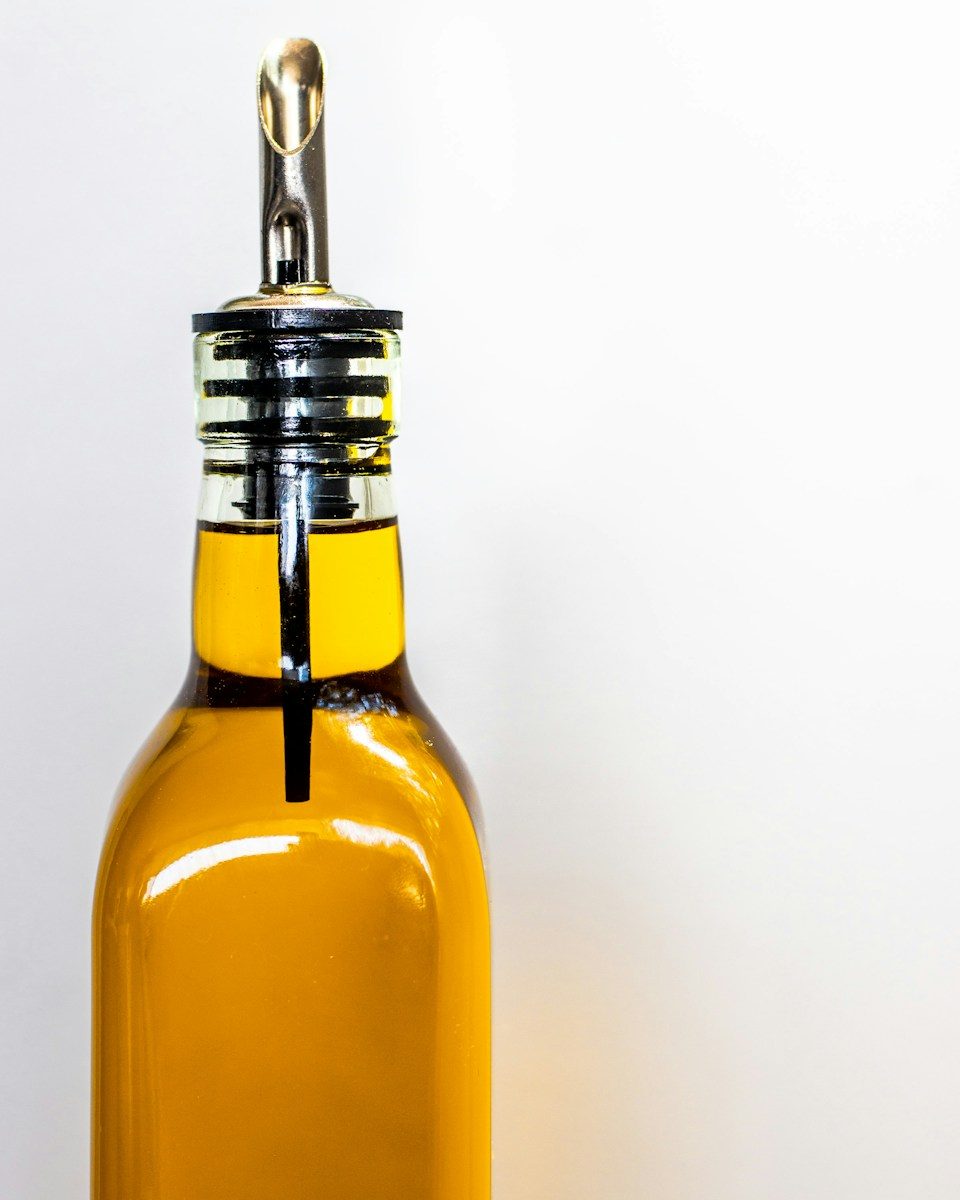
“Seed oils” usually refers to oils pressed or extracted from seeds, such as canola (rapeseed), soybean, corn, sunflower, safflower, cottonseed and grapeseed oil. They’re high in polyunsaturated fats, especially linoleic acid, an omega-6 fat. Linoleic acid is an essential fatty acid, meaning your body needs it from food.
The case against seed oils
Critics raise three main concerns:
- Inflammation: linoleic acid can be converted into arachidonic acid, which is involved in inflammatory processes, so some argue more omega-6 means more inflammation.
- Processing: many seed oils are refined with heat and chemical solvents.
- Oxidation: polyunsaturated fats are less stable at high heat, especially when oil is reused for frying.
What the evidence shows
On heart health, the evidence leans clearly in favor of seed oils when they replace saturated fats like butter or lard. The American Heart Association says there’s no reason to avoid seed oils and plenty of reasons to eat them. A 2024 narrative review for health professionals concluded that epidemiological and clinical trial evidence indicates omega-6 fat intake is protective for the heart.
On inflammation, the theory hasn’t held up well in people. Controlled trials in which adults ate more linoleic acid generally haven’t found increases in blood markers of inflammation. The Academy of Nutrition and Dietetics notes that only a small percentage of linoleic acid is converted to arachidonic acid, and that higher omega-6 intake is associated with better cardiovascular health.
That said, not every question is closed. Some researchers still argue for more study of heavily processed and repeatedly heated oils, and much of the evidence comes from observational studies.
Why we rated this “Moderate”: Major health organizations and many reviews support seed oils as a replacement for saturated fat, including evidence from clinical trials. We rate it Moderate rather than Strong because some debate continues about processing and high-heat use, and some of the newest reviews were funded by industry groups. How we rate evidence
So why do seed oils have a bad reputation?
Part of the answer is where people eat them. Seed oils are used heavily in fried foods, fast food and packaged snacks, which are linked to poor health for many reasons, including excess calories, refined carbohydrates and salt. Cutting back on those foods is a good idea. But the evidence points to the ultra-processed food as the problem more than the oil itself. Read what the biggest review found about ultra-processed foods.
Practical takeaways
- Don’t fear the bottle of canola oil. Using it instead of butter or lard is generally the heart-friendlier choice.
- Rotate your oils. Extra virgin olive oil has strong evidence behind it and works for most home cooking.
- Limit deep-fried and ultra-processed foods, which is where most people get the most seed oil.
- Don’t reuse frying oil over and over, and store oils away from heat and light.
Cleaner swaps to try
We may earn a commission if you buy through links in our product picks. It never affects our ratings.
- Everyday cooking: extra virgin olive oil
- High-heat cooking: avocado oil or a refined high-oleic oil
- Baking: canola oil, or olive oil in recipes where the flavor works
The bottom line
The evidence doesn’t support the idea that seed oils are toxic. Most major health organizations consider them a healthy replacement for saturated fat. The real win is cutting back on fried and ultra-processed foods, and cooking more at home with whichever oils you prefer. See easy ideas in 10 Pantry Swaps That Cut Ultra-Processed Foods.
Want one evidence-checked story and three easy swaps every week? Subscribe to our free newsletter.
Sources
- American Heart Association News. There’s no reason to avoid seed oils, and plenty of reasons to eat them. August 20, 2024.
- Academy of Nutrition and Dietetics. Nutrition Fact Check: Seed Oils.
- Narrative review of vegetable oils high in unsaturated fats and chronic disease risk. PubMed Central, 2024.
- AARP. Are Seed Oils Actually Bad for You?.