Cleaner choices, backed by evidence. New issue of the newsletter every Thursday. Subscribe free

Tag: food dyes

  • Dye-Free Snacks for Kids: Easy Swaps Parents Can Make Today

    Dye-Free Snacks for Kids: Easy Swaps Parents Can Make Today

    Evidence: Moderate

    Key takeaways

    • Synthetic dyes like Red 40, Yellow 5 and Yellow 6 are common in kids’ snacks, cereals and drinks.
    • Some studies link certain dyes to increased hyperactivity in some children; the American Academy of Pediatrics has raised concerns about food additives in children’s diets.
    • The FDA’s plan to phase out petroleum-based dyes is voluntary, and the timeline has slipped, so reading labels still matters.
    • Easy swaps exist for nearly every brightly colored snack.

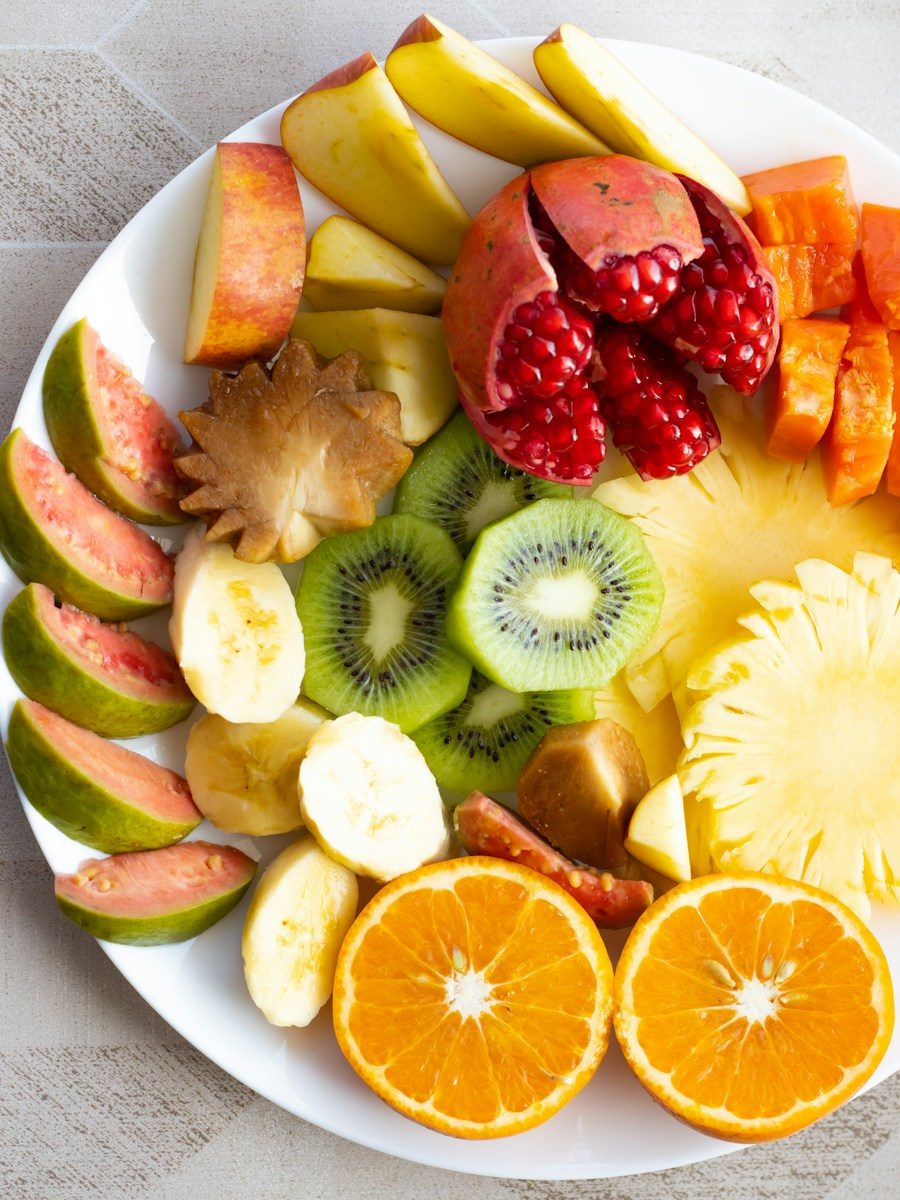
    Brightly colored snacks are everywhere in lunchboxes. If you want to cut back on synthetic food dyes, you don’t have to give up fun snacks. Here are easy, realistic dye-free snack swaps parents can make today.

    Why parents are paying attention

    A 2007 randomized trial in The Lancet found that mixtures of certain artificial colors (with a preservative) increased hyperactive behavior in some children from the general population. In 2018, the American Academy of Pediatrics issued a policy statement on food additives and child health, raising concerns about several additives, including artificial food colors. For the latest on U.S. policy, read our guide to the synthetic food dye phase-out.

    Why we rated this “Moderate”: Controlled trials show some children are sensitive to certain dye mixtures, and pediatric experts have raised concerns. But effects vary between children and studies, so we rate this Moderate. How we rate evidence

    How to spot dyes on the label

    Look for names like Red 40, Yellow 5 (tartrazine), Yellow 6, Blue 1, Blue 2, Green 3 and Red 3, sometimes followed by “Lake.” Colors from sources like beet juice, turmeric, paprika, spirulina or annatto are typically listed by name. See how to read a food label.

    Easy dye-free swaps

    • Fruit snacks → fruit leather made from fruit only, or fresh grapes and berries
    • Bright cereals → plain whole-grain O’s with fresh fruit
    • Neon sports drinks → water or water with a splash of 100% juice
    • Colored candies → candies colored with fruit and vegetable juices
    • Cheese puffs → popcorn or puffs colored with annatto or paprika
    • Flavored yogurt tubes → plain yogurt blended with berries

    Cleaner swaps to try

    We may earn a commission if you buy through links in our product picks. It never affects our ratings.

    • Fruit-only fruit leather
    • Plain popcorn for a crunchy snack
    • Snacks colored with vegetable juices
    • Reusable water bottle to replace colored drinks

    The bottom line

    You don’t need to overhaul your pantry overnight. Swap one or two of your kids’ most frequent snacks, read labels for dye names, and lean on whole foods when you can. More ideas in Swaps and easy pantry swaps.

    Want one evidence-checked story and three easy swaps every week? Subscribe to our free newsletter.

    Sources

    1. McCann D, et al. Food additives and hyperactive behaviour in 3-year-old and 8/9-year-old children in the community. The Lancet. 2007;370(9598):1560-1567.
    2. Trasande L, et al. Food Additives and Child Health. Pediatrics. 2018;142(2):e20181408.
  • Synthetic Food Dyes: What’s Being Phased Out and How to Avoid Them

    Synthetic Food Dyes: What’s Being Phased Out and How to Avoid Them

    Evidence: Moderate

    Key takeaways

    • The FDA has asked food companies to voluntarily remove six petroleum-based dyes: Red 40, Yellow 5, Yellow 6, Blue 1, Blue 2 and Green 3. The target has slipped from the end of 2026 to the end of 2027.
    • Red 3 is the one dye that is formally banned in food, with a January 2027 deadline.
    • Research links some synthetic dyes to behavior changes in some children, but past FDA reviews haven’t confirmed a causal link.
    • You can avoid them today by reading ingredient lists and choosing products colored with plant-based sources.

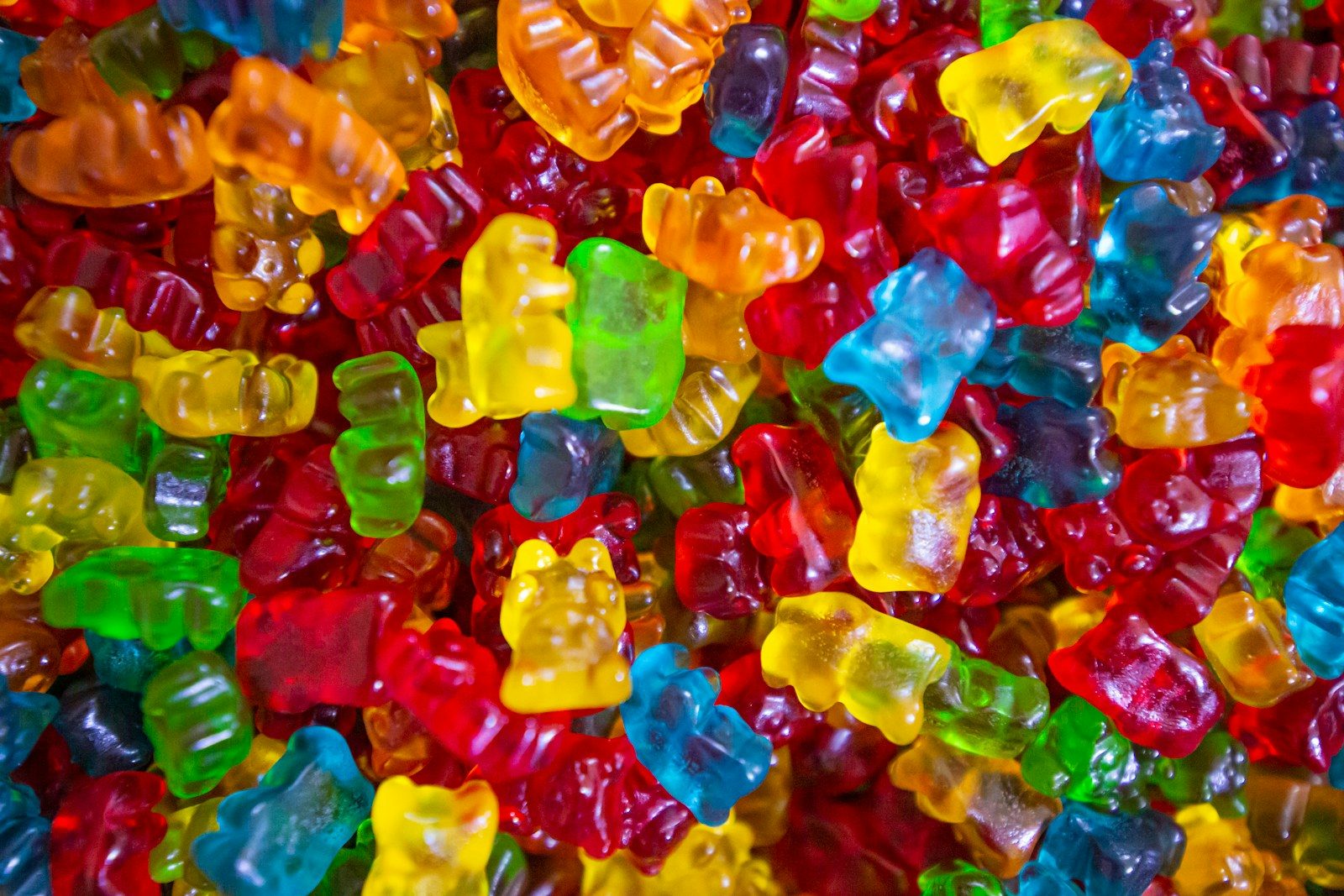
    Bright candies, sports drinks and cereals get their colors from synthetic food dyes, petroleum-based additives that have been used in American food for decades. In 2025, federal health officials announced a plan to phase them out. But “phase out” doesn’t mean what many people think, and most of these dyes are still in stores today.

    Here’s which dyes are affected, what the research actually shows, and how to avoid them now if you want to.

    Which food dyes are being phased out?

    In April 2025, the FDA and the Department of Health and Human Services announced a plan to remove petroleum-based synthetic dyes from the U.S. food supply. The plan has three parts:

    • Red 3 (erythrosine): formally banned. The FDA revoked its authorization in January 2025; food makers have until January 2027 to remove it.
    • Citrus Red 2 and Orange B: two rarely used dyes the FDA moved to revoke.
    • The “big six”: Red 40, Yellow 5, Yellow 6, Blue 1, Blue 2 and Green 3. These are the dyes you’ll see most often on labels.

    Is it a ban? Not exactly

    This is the part most headlines miss. For the big six, the FDA is asking companies to stop using them. It’s a voluntary phase-out, not a legal ban, and there are no penalties for companies that don’t comply. The original goal was the end of 2026, but the FDA’s own tracker now lists the end of 2027, as the Center for Responsible Food Business reports.

    Many companies have pledged to switch. According to Consumer Reports, Campbell’s says it will stop producing foods and drinks with FD&C colors in its 2026 fiscal year, and Mars says it will offer options without certified colors starting in 2026. Some retailers, such as Target for its cereal aisle, have already finished. Others are still in progress.

    What does the research say about food dyes?

    Concerns about synthetic dyes focus mostly on children. Some studies have linked certain dyes to hyperactivity or attention problems in some kids, and Red 3 was banned under a law that prohibits additives found to cause cancer in animals; it caused cancer in laboratory rats. However, past FDA reviews have not confirmed that the big six dyes cause behavior problems in children in general.

    Europe has taken a middle path. Since 2010, foods sold in the EU containing several of these dyes have carried warning labels, which led many companies to switch to colors from beets, turmeric and other plants.

    Why we rated this “Moderate”: The regulatory facts are well documented. The health evidence is mixed: some studies suggest behavioral effects in some children, but regulators haven’t confirmed a causal link for the big six dyes. That’s why we rate this Moderate rather than Strong. How we rate evidence

    How to spot synthetic dyes on a label

    Check the ingredient list for any of these names:

    • Red 40, Red No. 40, FD&C Red No. 40, or Allura Red
    • Yellow 5 (tartrazine) or Yellow 6 (sunset yellow)
    • Blue 1 (brilliant blue) or Blue 2 (indigo carmine)
    • Green 3 (fast green)
    • Red 3 (erythrosine)
    • “Lake” versions, such as “Red 40 Lake,” which are the same dyes in a different form

    Plant-based colorings are usually listed by their source, such as beet juice, turmeric, paprika extract, spirulina or annatto. Learn more ways to read labels in our Ingredient Decoder.

    Cleaner swaps to try

    We may earn a commission if you buy through links in our product picks. It never affects our ratings.

    • Instead of brightly colored sports drinks: water with citrus, or drinks colored with fruit or vegetable juice
    • Instead of dyed breakfast cereals: cereals colored with fruit and vegetable concentrates, or plain oats with fruit
    • Instead of dyed candy: brands that color with plant sources like beet, spirulina and turmeric
    • For baking: plant-based food coloring kits for frosting and decorating

    The bottom line

    Synthetic food dyes aren’t gone yet. Except for Red 3, they’re still legal, and the voluntary phase-out now runs through 2027. The evidence on health effects is mixed, but if you’d rather avoid them, especially for kids, it’s easy: read the ingredient list and choose products colored with plant sources. Find more cleaner options in Swaps and see related reading on ultra-processed foods.

    Want one evidence-checked story and three easy swaps every week? Subscribe to our free newsletter.

    Sources

    1. Consumer Reports. One Year Later: Are Synthetic Dyes Still in Our Food?. 2026.
    2. Center for Responsible Food Business. Are Food Dyes Being Banned in the U.S.?. 2026.
    3. New Food Magazine. FDA announces plan to phase out synthetic food dyes. 2025.
    4. Xtalks. FDA to Phase Out Petroleum-Based Food Dyes in Favor of Natural Alternatives. 2025.