Cleaner choices, backed by evidence. New issue of the newsletter every Thursday. Subscribe free

Tag: fragrance

  • Phthalates: Where They Hide in Everyday Products

    Phthalates: Where They Hide in Everyday Products

    Evidence: Moderate

    Key takeaways

    • Phthalates are chemicals that make plastics soft and help scents last. They’re in many everyday products.
    • National testing shows most people have measurable phthalate exposure.
    • Animal studies and some human studies link certain phthalates to hormone and reproductive effects; research in people is ongoing.
    • Cutting back on fragranced products, vinyl and plastic food containers lowers exposure.

    Phthalates (pronounced THAL-ates) rarely appear on labels, but they’re in many products we touch every day. Here’s where they hide, what researchers know about their health effects, and easy ways to reduce your exposure.

    What are phthalates?

    Phthalates are a group of chemicals used to make plastics like vinyl (PVC) soft and flexible, and to help fragrances last longer. Because they aren’t chemically bound to plastic, they can leach out over time, especially with heat, according to a National Research Council report.

    Where phthalates hide

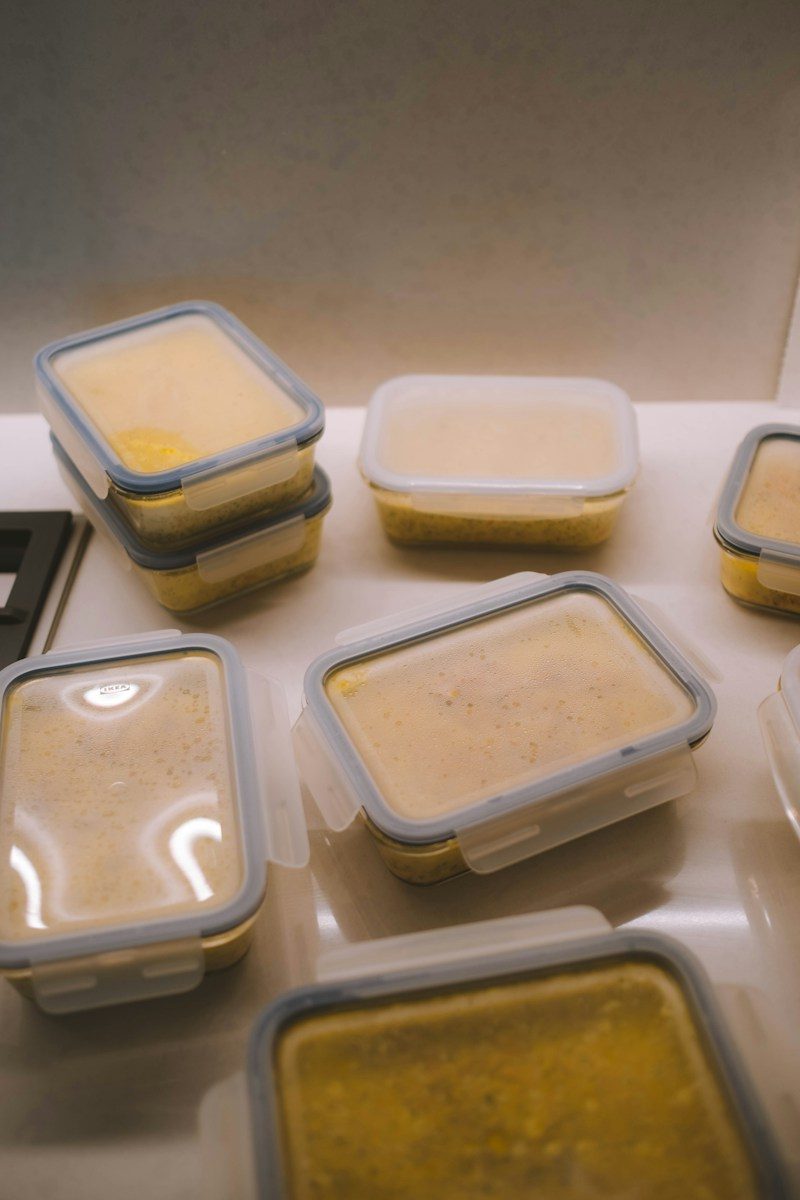
    • Vinyl products: shower curtains, flooring, some raincoats and toys
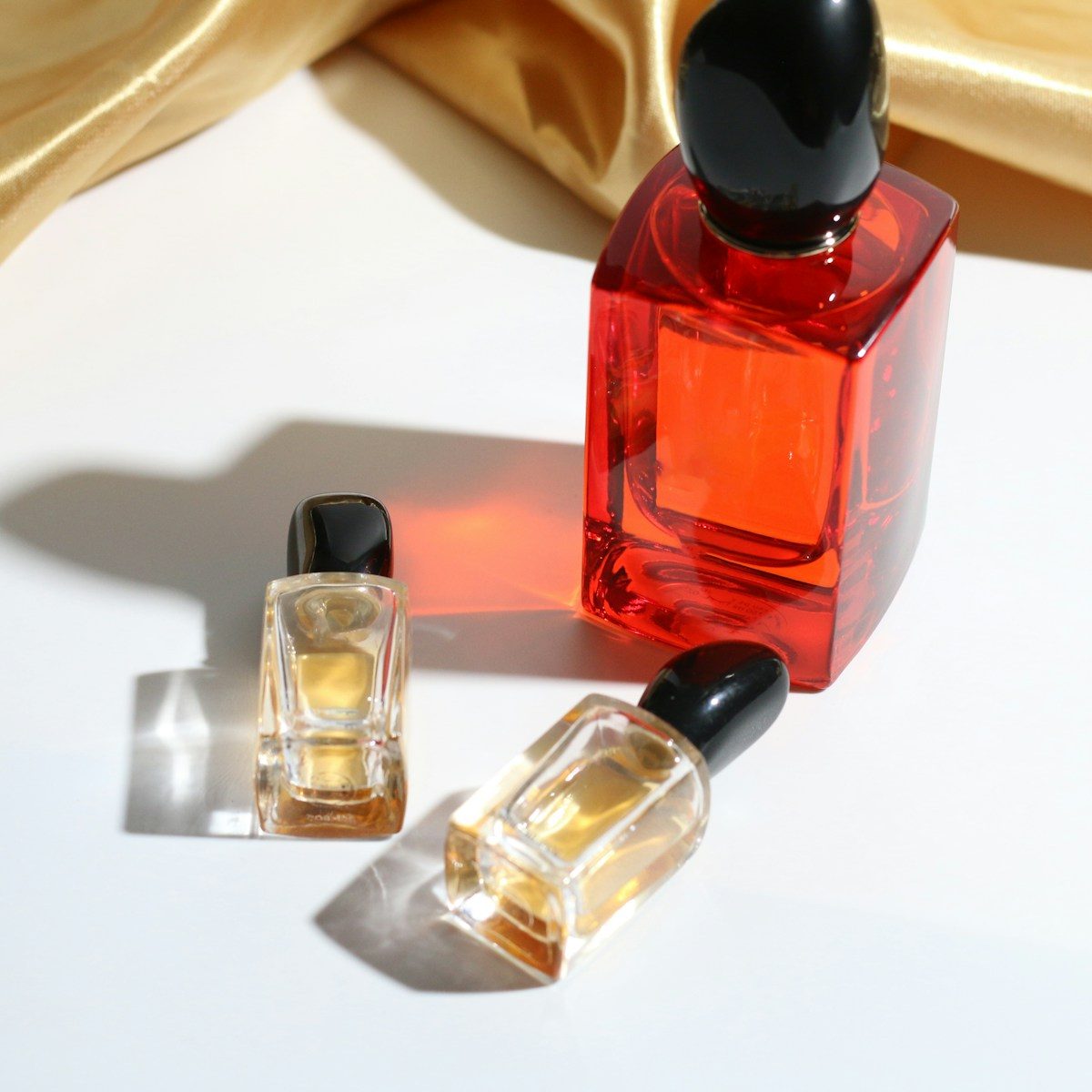
    • Fragranced products: perfume, scented lotions, air fresheners and detergents, often hidden under the word “fragrance”
    • Food: from processing equipment, tubing and packaging, especially in fatty or processed foods
    • Household dust, which collects phthalates released from products

    Because “fragrance” can hide many ingredients, phthalates often don’t appear on labels at all. Read more in what “fragrance” on a label can hide.

    What does the research say?

    U.S. national health surveys have measured phthalate breakdown products in the urine of most people tested, and research has found higher levels in children than adults. Phthalates are considered potential endocrine disruptors, chemicals that can interfere with hormones, according to the National Institute of Environmental Health Sciences. Animal studies have linked certain phthalates to reproductive and developmental effects, and some human studies have found associations, but researchers note that effects in people haven’t been conclusively demonstrated.

    Why we rated this “Moderate”: Exposure is well documented, and animal evidence of hormone-related effects is substantial for some phthalates. Human evidence is more limited and mostly observational, so we rate this Moderate. How we rate evidence

    How to cut your exposure

    1. Choose fragrance-free personal care and cleaning products.
    2. Don’t microwave food in plastic. Use glass or ceramic instead.
    3. Swap vinyl shower curtains for fabric ones.
    4. Cook more fresh food and eat less heavily processed and fast food.
    5. Dust and vacuum regularly with a damp cloth or HEPA vacuum, and wash hands before eating.

    Cleaner swaps to try

    We may earn a commission if you buy through links in our product picks. It never affects our ratings.

    • Fabric shower curtain instead of vinyl
    • Glass food-storage containers
    • Fragrance-free lotion and detergent
    • Stainless steel water bottle

    The bottom line

    Phthalates are common, mostly hidden from labels, and linked to hormone concerns in research. You can’t avoid them completely, but going fragrance-free, keeping plastic away from heat and food, and reducing processed foods all help. More in our Avoid List and pantry swaps.

    Want one evidence-checked story and three easy swaps every week? Subscribe to our free newsletter.

    Sources

    1. National Research Council. Phthalates and Cumulative Risk Assessment: Phthalate Exposure Assessment in Humans. National Academies Press, 2008.
    2. National Institute of Environmental Health Sciences. Endocrine Disruptors.
    3. Congressional Research Service. Phthalates in Plastics and Possible Human Health Effects. 2008.
  • “Fragrance” on the Label: What That One Word Can Hide

    “Fragrance” on the Label: What That One Word Can Hide

    Evidence: Moderate

    Key takeaways

    • In the U.S., companies can list dozens of scent ingredients under the single word “fragrance” or “parfum.”
    • Some fragrance ingredients are common skin allergens. The EU requires many of them to be named on labels; the U.S. doesn’t yet.
    • A 2022 law (MoCRA) requires the FDA to create fragrance-allergen labeling rules, but the rule is delayed and isn’t in effect.
    • If you have sensitive skin or allergies, “fragrance-free” products are the simplest way to avoid hidden scent ingredients.

    Flip over almost any lotion, shampoo, detergent or air freshener and you’ll see one word near the end of the ingredient list: fragrance. It looks like a single ingredient. It isn’t. That one word can stand in for a mix of many different scent chemicals, and in the U.S., companies generally don’t have to tell you which ones.

    Here’s what “fragrance” on a label can hide, why it matters for some people, and how to shop around it.

    What does “fragrance” mean on an ingredient list?

    Fragrance blends are often made from dozens of ingredients, natural and synthetic, combined into a scent. Under U.S. labeling rules, cosmetic companies can list the whole blend as “fragrance” or “parfum” instead of naming each component. According to the FDA, this is allowed because fragrance formulas are considered trade secrets.

    The same is true for many household products like detergents, cleaners and air fresheners, which often disclose even less.

    Why it matters: fragrance allergies

    For most people, fragrance is harmless. But fragrance ingredients are a well-known cause of allergic contact dermatitis, an itchy, red skin reaction. If you’re sensitive to one specific ingredient, “fragrance” on a label makes it impossible to know whether a product contains it.

    Europe handles this differently. The EU has required many specific fragrance allergens to be named on cosmetic labels for years, and is expanding that list. In the U.S., the 2022 Modernization of Cosmetics Regulation Act (MoCRA) told the FDA to write a similar rule. But the FDA missed its deadlines, and as of 2026 the fragrance-allergen labeling rule has not taken effect, as Foley & Lardner and other legal analysts note. Even when it does, companies will likely still be able to list non-allergen scent ingredients simply as “fragrance.”

    Why we rated this “Moderate”: It’s well established that fragrance ingredients can cause skin allergies in some people and that U.S. labels can group them under one word. What’s less settled is the long-term health impact of many individual fragrance chemicals, which varies by ingredient and is still being studied. How we rate evidence

    “Fragrance-free” vs. “unscented”

    These sound the same, but they aren’t:

    • Fragrance-free usually means no fragrance ingredients were added to give the product a scent.
    • Unscented can mean a product has no noticeable smell, which sometimes is achieved by adding masking fragrances to cover other odors.

    Neither term is strictly defined by U.S. law, so always check the ingredient list too. If you see “fragrance,” “parfum,” or “aroma” listed, the product contains a fragrance blend.

    Watch for “natural fragrance” and essential oils

    “Natural fragrance” and essential oils aren’t automatically gentler. Plant-based scents can also cause skin reactions, and several common fragrance allergens are naturally found in essential oils. If you react to scented products, natural ones may still be a problem.

    How to shop around hidden fragrance

    1. Start with products that touch your skin the longest: lotions, face creams, sunscreen and laundry detergent.
    2. Look for “fragrance-free” and confirm there’s no “fragrance,” “parfum” or “aroma” on the ingredient list.
    3. Skip air fresheners and plug-ins, or replace them with ventilation and simple options like an open window.
    4. Patch-test new products on a small area of skin for a few days if you have sensitive skin.
    5. Look for full ingredient disclosure. Some brands voluntarily list every fragrance ingredient on their websites.

    Need help decoding other label terms? Visit our Ingredient Decoder, or see our guide to parabens in skincare.

    Cleaner swaps to try

    We may earn a commission if you buy through links in our product picks. It never affects our ratings.

    • Instead of scented lotion: a fragrance-free moisturizer
    • Instead of scented detergent: a “free and clear” laundry detergent
    • Instead of plug-in air fresheners: fresh air, houseplants, or simmering citrus peels on the stove
    • Instead of scented candles daily: save them for occasions, and ventilate while they burn

    The bottom line

    “Fragrance” on a label is a single word that can hide many ingredients. For most people that’s not a problem, but if you have sensitive skin or fragrance allergies, it makes shopping a guessing game. Until U.S. allergen labeling rules take effect, choosing fragrance-free products is the simplest way to know what you’re putting on your skin. More cleaner options in Swaps.

    Want one evidence-checked story and three easy swaps every week? Subscribe to our free newsletter.

    Sources

    1. U.S. Food and Drug Administration. Fragrances in Cosmetics.
    2. Foley & Lardner. How MoCRA Is Reshaping FDA Oversight of Cosmetics in 2026. March 2026.
    3. EcoMundo. MoCRA Update 2026: What Cosmetic Companies Should Expect. 2026.