Evidence: Early
Key takeaways
- CBD topicals (creams, balms, lotions and roll-ons) are applied to the skin and are widely sold, but clinical research on them is still limited.
- Reviews have found few high-quality human trials and not enough evidence to set dosing for topical CBD.
- FDA testing has found that some CBD products don’t contain the amount of CBD their labels claim.
- Under the federal hemp law taking effect December 11, 2026, the rules for hemp-derived products are changing, so check labels and lab reports.
CBD topicals are some of the most popular CBD products on the market. Before you buy a cream or balm, here’s what the research says, what the label should tell you, and how the 2026 hemp law affects what’s on store shelves.
What are CBD topicals?
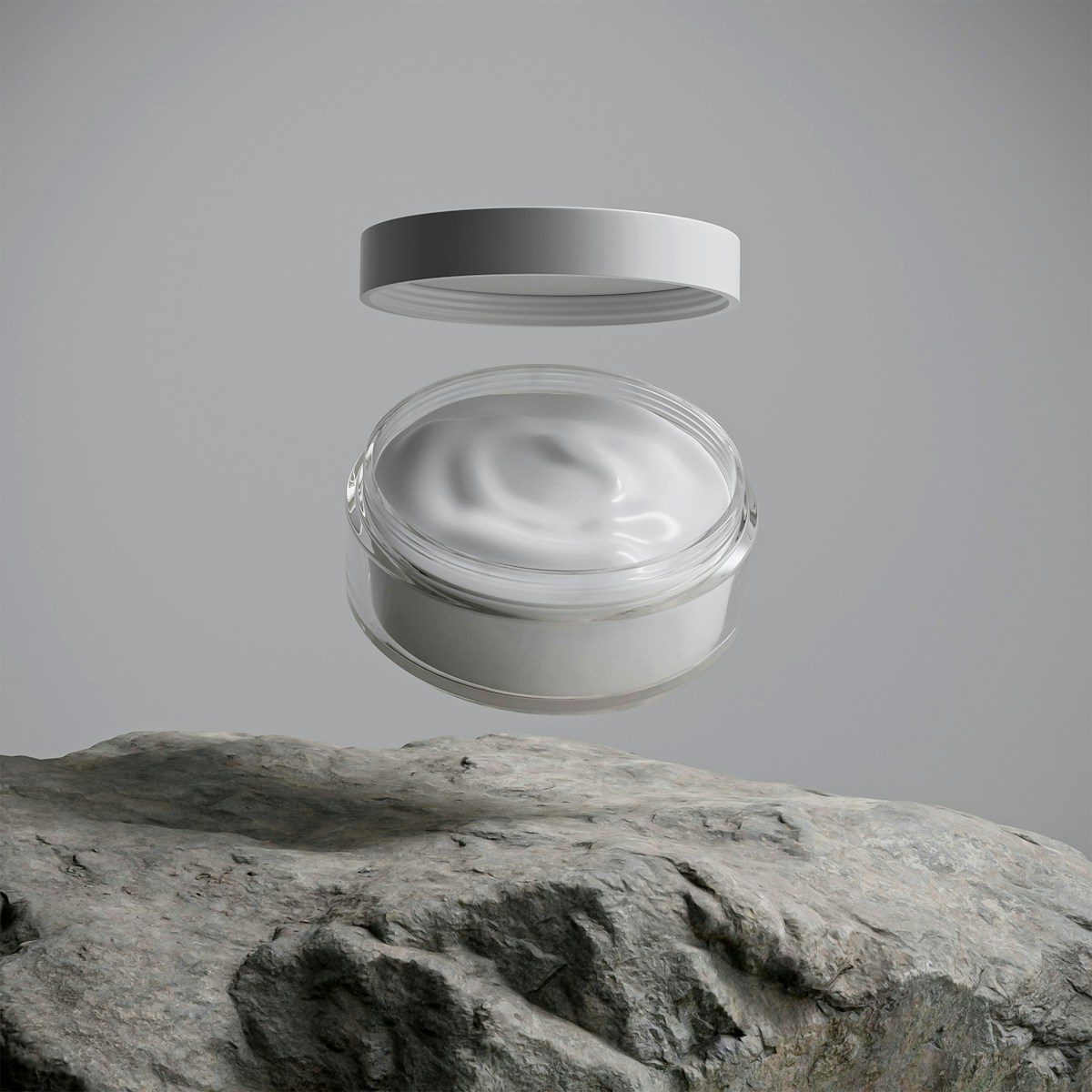
Topicals are CBD products applied to the skin rather than swallowed. They include creams, balms, salves, lotions, roll-ons and patches. Most contain CBD in a base of oils, butters or lotion, and many also include other ingredients such as menthol, camphor, arnica or essential oils, which can make it hard to know what’s doing what.
What the research shows so far
Researchers have published relatively few controlled human studies on topical CBD, and reviews have concluded that the evidence is not yet strong enough to establish effective doses. The FDA notes that many questions remain about CBD’s safety and effectiveness, and it has not approved any topical CBD product. That’s why we don’t make health claims about CBD topicals.
Why we rated this “Early”: Human research on topical CBD is limited and inconsistent, and many products combine CBD with other active ingredients, making results hard to interpret. How we rate evidence
How to shop smarter
- Ask for a lab report (COA) from an independent lab that matches the product’s batch. Learn how to read a CBD lab report.
- Check the CBD amount per container and per application. FDA test results have found products with more or less CBD than claimed.
- Read the full ingredient list, especially if you have sensitive skin or allergies. Watch for “fragrance.” See what “fragrance” can hide.
- Patch test first on a small area of skin.
- Skip products with disease claims. Promises to cure or treat conditions are a red flag.
What the 2026 hemp law means for topicals
A new federal definition of hemp takes effect on December 11, 2026, limiting finished hemp-derived products to 0.4 milligrams of total THC per container. How the rule applies to different product types may continue to be clarified by regulators, so expect some products to be reformulated or removed. Read our guide to the December 11 hemp rules.
Cleaner swaps to try
We may earn a commission if you buy through links in our product picks. It never affects our ratings.
- Brands that post batch-specific COAs from independent labs
- Fragrance-free formulas for sensitive skin
- Clear CBD amounts in milligrams on the label
- Simple ingredient lists
The bottom line
CBD topicals are popular, but the science is still catching up. If you choose to try one, buy from brands with clear labels and independent lab reports, patch test first, and be skeptical of big promises. More in CBD & Botanicals.
Want one evidence-checked story and three easy swaps every week? Subscribe to our free newsletter.
Sources
- U.S. Food and Drug Administration. What You Need to Know (And What We’re Working to Find Out) About Products Containing Cannabis or Cannabis-derived Compounds, Including CBD.
- U.S. Food and Drug Administration. Warning Letters and Test Results for Cannabidiol-Related Products.