
Evidence: Strong
Key takeaways
- Beef tallow is about 50% saturated fat; one tablespoon has about 6 grams, close to a third of the federal daily limit.
- A 2026 cardiology review found consistent evidence that tallow raises LDL (“bad”) cholesterol compared with olive, canola and other plant oils.
- The same review found no evidence that tallow is a healthier choice than seed oils.
- Tallow is fine as an occasional flavor fat; for everyday cooking, plant oils such as extra virgin olive oil have the better track record.
Beef tallow is having a moment. Restaurants are frying in it, influencers call it a “clean” fat, and the 2025–2030 federal Dietary Guidelines even list it as a cooking option. So is beef tallow healthy, or is this a trend running ahead of the science? Here’s what the evidence actually shows.
What is beef tallow?
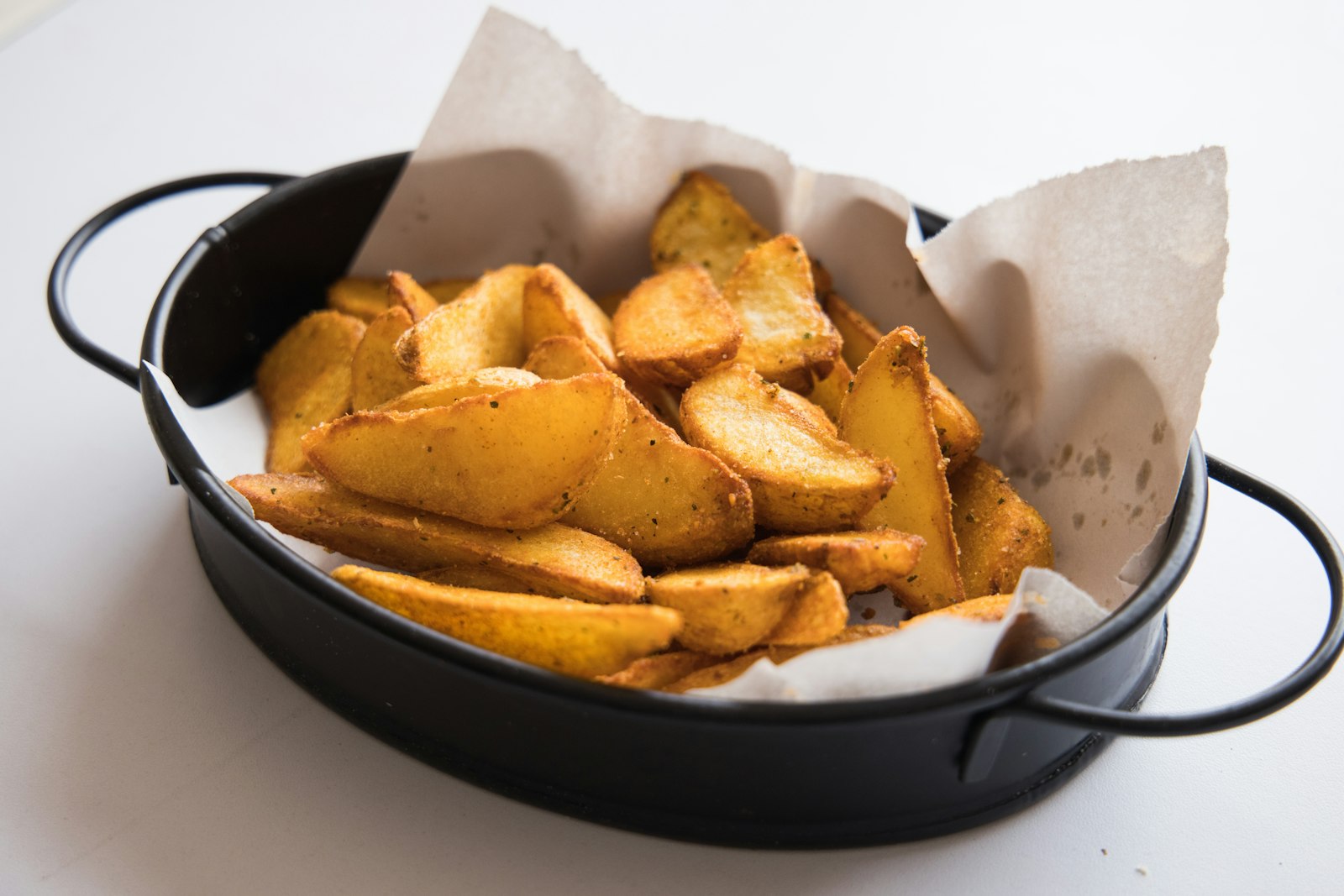
Beef tallow is rendered beef fat: fat that’s been slowly melted and strained until it’s pure and shelf-stable. It’s solid at room temperature, has a rich, savory flavor, and for decades it was a standard frying fat. McDonald’s, for example, fried its fries in a tallow blend until 1990, when concerns about saturated fat pushed the industry toward vegetable oils.
Why beef tallow is suddenly everywhere
- The seed oil backlash. Social media has turned against canola, soybean and other seed oils, and tallow is pitched as the “natural” alternative. (We looked at that claim in Seed Oils: What the Evidence Actually Says.)
- New federal guidelines. The 2025–2030 Dietary Guidelines say olive oil should be your first choice for cooking, but that other options can include butter or beef tallow.
- Flavor and frying. Tallow tastes great and holds up well at high heat, which is why some restaurants have brought it back.
What’s in beef tallow?
About half of the fat in beef tallow is saturated, mostly a type called palmitic acid. One tablespoon contains roughly 6 grams of saturated fat.
For context, the Dietary Guidelines kept their long-standing limit of less than 10% of daily calories from saturated fat, which is about 20 grams on a 2,000-calorie diet. The American Heart Association is stricter, at about 13 grams a day. In other words, a single tablespoon of tallow uses up a third to nearly half of your daily allowance.
Is beef tallow healthy? What the research says
In early 2026, a panel of cardiologists and nutrition scientists published a review in JACC: Advances sorting today’s most-debated foods into three groups: evidence of harm, not enough evidence, and evidence of benefit. Beef tallow landed in the “evidence of harm” group.
- It raises LDL cholesterol. The review found consistent evidence that the saturated fat in tallow raises LDL cholesterol, a direct cause of clogged arteries, compared with plant oils that are liquid at room temperature.
- Swapping it in for unsaturated fat raises risk. Replacing unsaturated fats with saturated fats like those in tallow is linked to roughly a 10% higher risk of heart disease.
- No evidence it beats seed oils. The authors concluded that no compelling data support beef tallow as a healthier cooking option than seed oils or other unsaturated fats. They placed seed oils and seafood in the “evidence of benefit” group.
Large population studies point the same way. A 2025 study in JAMA Internal Medicine followed more than 221,000 adults for up to 33 years. People who ate the most butter, another saturated animal fat, had a 15% higher risk of death over the study period, while those who used the most plant oils had a 16% lower risk.
What beef tallow does well
To be fair to tallow, it does have real cooking strengths. It has a high smoke point of around 400°F, it’s stable for frying, and it adds a deep, savory flavor to roast potatoes and vegetables. It’s also better than heavily processed snack foods; the problem is mainly when it replaces olive oil or other plant oils day after day.
How to use beef tallow sensibly
- Treat it as a flavor fat, not your everyday oil. Use it for an occasional batch of roast potatoes or a holiday dish.
- Measure it. A teaspoon or two goes a long way; pouring from a jar adds up fast.
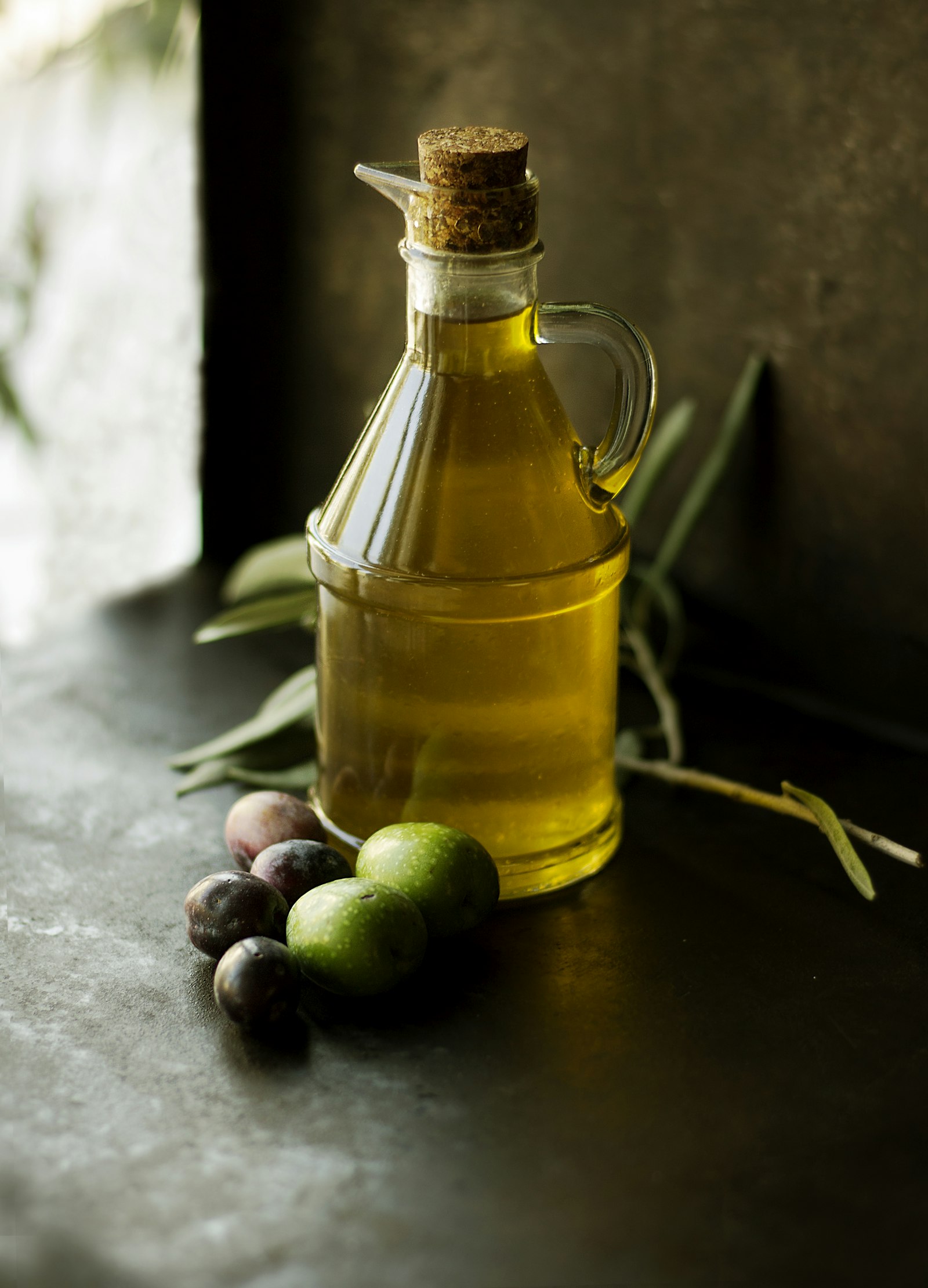
- Keep olive oil as your default. Extra virgin olive oil works for most home cooking, including sautéing and roasting. See The Healthiest Cooking Oils, Ranked by the Evidence.
- Be extra careful if you have high cholesterol or heart disease, and ask your doctor before making tallow a regular part of your diet.
Related reading
The bottom line
Beef tallow is a tasty, traditional fat, but the evidence doesn’t back up claims that it’s a healthier choice. Because it raises LDL cholesterol compared with plant oils, the best use for beef tallow is as an occasional flavor boost, not a replacement for olive oil in your kitchen.
Want our best evidence-checked stories and easy swaps, once a month? Subscribe to our free newsletter.
This article is for general education and isn’t medical advice. See our medical disclaimer.
Sources
- Miller M, et al. A Clinician’s Guide for Trending Cardiovascular Nutritional Controversies in 2026. JACC: Advances. 2026;5(3):102591. PMC.
- U.S. Department of Agriculture and U.S. Department of Health and Human Services. Dietary Guidelines for Americans, 2025–2030. PDF.
- Zhang Y, et al. Butter and Plant-Based Oils Intake and Mortality. JAMA Intern Med. 2025. DOI.
- AARP. Is Beef Tallow Healthy? aarp.org.

Leave a Reply