
Evidence: Strong
Key takeaways
- Extra virgin olive oil has the strongest evidence of any cooking oil, and it holds up well to everyday heat.
- Canola, avocado and other plant oils are good choices too; a 2026 cardiology review found seed oils improve heart-health markers, with no human evidence that they cause inflammation.
- Butter, coconut oil and beef tallow are high in saturated fat; use them occasionally for flavor.
- Smoke point isn’t the best measure of a healthy cooking oil; how stable an oil stays when heated matters more.
Walk down the oil aisle and you’ll find dozens of choices, plus a lot of conflicting advice. So what are the healthiest cooking oils? We ranked the most common oils and fats by what the research says about your heart and long-term health, and by how well they handle heat.
The healthiest cooking oils at a glance
| Rank | Oil or fat | Main fat type | Evidence for health | Best uses |
|---|---|---|---|---|
| 1 | Extra virgin olive oil | Monounsaturated | Strong | Sautéing, roasting, dressings, most everyday cooking |
| 2 | Canola oil | Mono- and polyunsaturated | Strong | Baking, stir-frying, high-heat cooking |
| 3 | Avocado oil | Monounsaturated | Moderate | High-heat searing, roasting, dressings |
| 4 | Soybean, sunflower, peanut and other seed oils | Polyunsaturated / monounsaturated | Moderate to strong | Frying, baking, stir-frying |
| 5 | Butter | Saturated | Limit | Baking and flavor, in small amounts |
| 6 | Coconut and palm oil | Saturated | Limit | Occasional baking |
| 7 | Beef tallow and lard | Saturated | Limit | Occasional roasting or frying for flavor |
1. Extra virgin olive oil: the healthiest cooking oil for most people
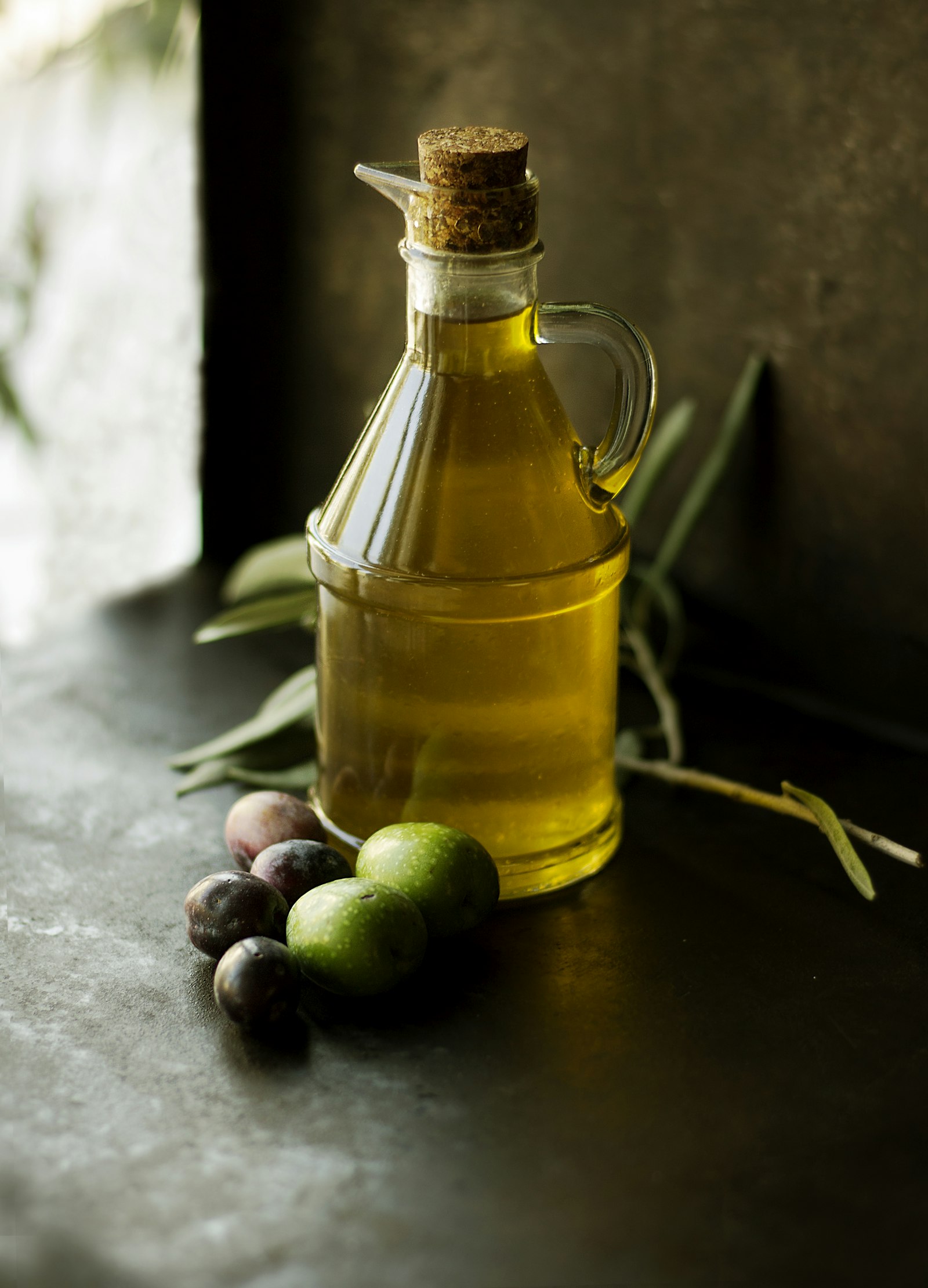
Extra virgin olive oil is the backbone of the Mediterranean diet, one of the most-studied eating patterns in the world, and the 2025–2030 Dietary Guidelines name olive oil as the first choice for cooking. Plus, it’s rich in monounsaturated fat and in natural antioxidants called polyphenols.
Can you cook with it? Yes. Extra virgin olive oil’s smoke point is about 350–410°F, which covers most home cooking. In fact, when Australian researchers heated 10 common cooking oils, extra virgin olive oil produced the fewest harmful breakdown products, even though several oils had higher smoke points.
2. Canola oil
Canola oil is low in saturated fat and contains plant omega-3 fats. In addition, it’s inexpensive, neutral-tasting and handles high heat. Despite its reputation online, canola is one of the healthiest cooking oils on our list: the 2026 JACC: Advances review placed seed oils like canola in its “evidence of benefit” group because they improve cholesterol and other heart-health markers, with no human evidence that they promote inflammation.
3. Avocado oil
Avocado oil is high in monounsaturated fat, much like olive oil, and refined avocado oil has one of the highest smoke points of any cooking oil (around 480–520°F), which makes it handy for searing. However, it has less long-term research behind it than olive or canola oil, so we rank it a step lower.
4. Soybean, sunflower, peanut and other seed oils
Like olive oil, these oils are rich in unsaturated fats. In a 2025 JAMA Internal Medicine study of more than 221,000 adults, people who used the most plant oils (including olive, canola and soybean) had a 16% lower risk of death over up to 33 years than those who used the least. Swapping just 10 grams of butter a day for plant oil was linked to a 17% lower risk. For more, see Seed Oils: What the Evidence Actually Says.
One caveat: seed oils are often found in ultra-processed foods. The concern there is mostly the chips and fried fast food themselves, not the oil you cook with at home. See Ultra-Processed Foods: What the Biggest Review Yet Found.
5–7. Butter, coconut oil and beef tallow
By contrast, these fats are high in saturated fat, which raises LDL cholesterol. In fact, coconut oil is around 90% saturated fat, more than butter or tallow. The 2026 cardiology review found no evidence that beef tallow or tropical oils are healthier than seed oils. That doesn’t mean you can never use them; it means they work best as occasional flavor fats. Read more in Is Beef Tallow Healthy?
Smoke point and the healthiest cooking oils
Surprisingly, less than you might think. Smoke point tells you when an oil starts to smoke, but it doesn’t tell you how quickly the oil breaks down. Instead, oxidative stability, meaning how well an oil resists damage when heated, is a better guide. That’s why antioxidant-rich extra virgin olive oil performs well in heating tests despite a moderate smoke point. Finally, as a rule of thumb, don’t let any oil smoke, and don’t reuse frying oil over and over.
How to choose the healthiest cooking oil for you
- Everyday cooking: extra virgin olive oil.
- High-heat searing or neutral flavor: canola or avocado oil.
- Baking: canola or a mild olive oil; save butter for recipes where the flavor matters.
- Storage: keep oils in a cool, dark cupboard with the cap on, and use them within a few months of opening.
- Shopping: look for a harvest or “best by” date and a dark bottle for olive oil.
Related reading
The bottom line on the healthiest cooking oils
The healthiest cooking oil for most people is extra virgin olive oil, with canola and avocado oil as strong backups. Meanwhile, saturated fats like butter, coconut oil and beef tallow are fine in small amounts for flavor, but the research consistently favors plant oils for your heart and long-term health.
Want our best evidence-checked stories and easy swaps, once a month? Subscribe to our free newsletter.
This article is for general education and isn’t medical advice. See our medical disclaimer.
Sources
- Miller M, et al. A Clinician’s Guide for Trending Cardiovascular Nutritional Controversies in 2026. JACC: Advances. 2026;5(3):102591. PMC.
- Zhang Y, et al. Butter and Plant-Based Oils Intake and Mortality. JAMA Intern Med. 2025. DOI.
- U.S. Department of Agriculture and U.S. Department of Health and Human Services. Dietary Guidelines for Americans, 2025–2030. PDF.
- WTOP / Allrecipes. Why You Should Stop Worrying About Olive Oil’s Smoke Points (summarizing the 2018 Acta Scientific Nutritional Health heating study). wtop.com.
Leave a Reply