Evidence: Strong
Key takeaways
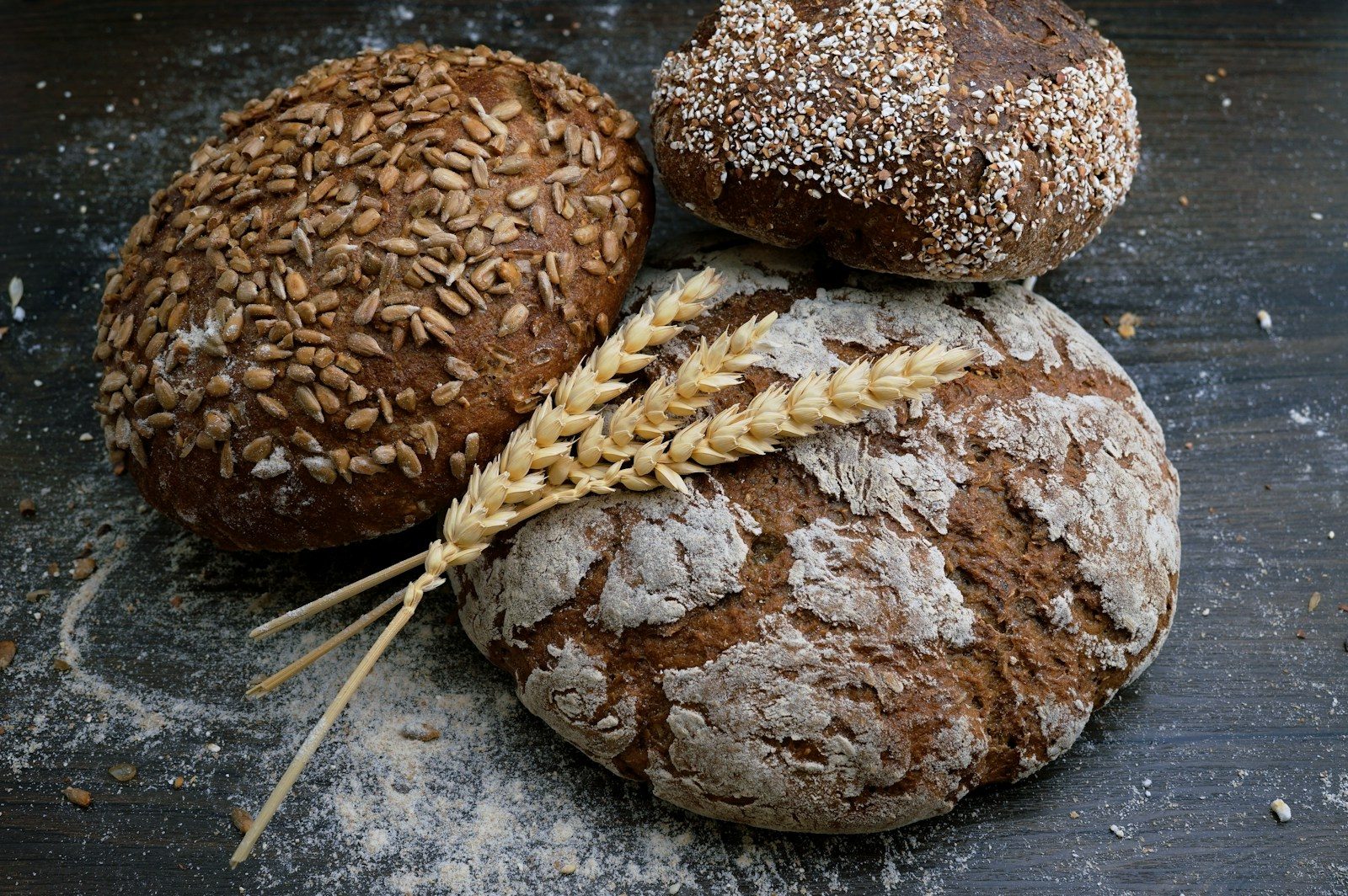
- “Multigrain” only means more than one type of grain. Those grains can be refined.
- A whole grain keeps all three parts of the kernel: bran, germ and endosperm.
- Look for “whole” before the grain name as the first ingredient, or the 100% Whole Grain Stamp.
- Brown color, seeds, or words like “wheat” and “stoneground” don’t guarantee whole grain.
Bread aisles are full of hearty-sounding labels: multigrain, seven-grain, wheat, stoneground. Many shoppers assume they all mean whole grain. They don’t. Here’s how to tell multigrain vs. whole grain in a few seconds.
What “whole grain” means
A whole grain contains the entire kernel: the fiber-rich bran, the nutrient-dense germ, and the starchy endosperm. Refined grains, like white flour, have the bran and germ removed, losing much of the fiber. Some refined flours are “enriched,” which adds back certain B vitamins and iron, but not the fiber.
What “multigrain” means
“Multigrain” simply means a product contains more than one kind of grain. As Michigan State University Extension explains, that doesn’t mean any of those grains are whole. A multigrain bread can be made mostly from refined white flour with a few other grains or seeds added.
Other misleading terms
- “Wheat bread” or “wheat flour”: usually refined white flour. Look for “whole wheat.”
- “Stoneground,” “cracked wheat,” “seven-grain”: describe processing or variety, not whether the grain is whole.
- Brown color: can come from molasses or caramel color.
- “Made with whole grains”: may contain only a small amount.
How to spot real whole grain
- Check the first ingredient. It should say “whole” before the grain, such as “whole wheat flour,” “whole oats” or “whole grain corn.” Brown rice and oats are also whole grains.
- Look for the Whole Grain Stamp. The Whole Grains Council’s 100% Stamp means all the grain in the product is whole grain and each serving contains a full serving of whole grain. The stamp is voluntary, so many good products don’t use it.
- Don’t rely on fiber alone. Some products add fiber from other sources.
Why we rated this “Strong”: The definitions of whole and refined grains are well established, and the labeling advice comes from university extension programs, the FDA’s draft guidance on whole-grain statements, and the Whole Grains Council. Evidence that whole grains benefit health is also strong. How we rate evidence
Cleaner swaps to try
We may earn a commission if you buy through links in our product picks. It never affects our ratings.
- Bread: “100% whole wheat” or “100% whole grain” with whole grain listed first
- Pasta: whole wheat or legume-based pasta
- Breakfast: plain oats or steel-cut oats instead of refined cereal
- Snacks: whole-grain crackers or homemade popcorn
The bottom line
“Multigrain” isn’t the same as whole grain. Check that “whole” comes before the first grain on the ingredient list, or look for the 100% Whole Grain Stamp. For more label shortcuts, see How to Read a Food Label in 60 Seconds and our pantry swaps.
Want one evidence-checked story and three easy swaps every week? Subscribe to our free newsletter.
Sources
- Michigan State University Extension. Whole grain vs. multigrain vs. whole wheat.
- Whole Grains Council. Whole Grain Stamp.
- U.S. Food and Drug Administration. Draft Guidance: Whole Grain Label Statements.