Evidence: Moderate
Key takeaways
- Many cleaning products release fumes that can irritate the lungs, especially in small or poorly ventilated spaces.
- Simple ingredients like soap, baking soda and vinegar handle most everyday cleaning.
- Never mix bleach with vinegar or ammonia. It creates toxic gases.
- When you buy cleaners, the EPA’s Safer Choice label is a useful shortcut.
You don’t need a cabinet full of harsh sprays to keep a clean home. Many everyday jobs can be handled with a few simple ingredients, and switching to non-toxic cleaning options can cut down on fumes and fragrance in the air you breathe. Here’s what works, what doesn’t, and the one safety rule everyone should know.
Why switch to cleaner cleaning products?
According to the American Lung Association, many cleaning products can release chemicals that irritate the eyes, nose and throat, and some can worsen asthma. Fragranced products and aerosol sprays add to indoor air pollution. Using simpler products and ventilating while you clean reduces your exposure.
The cleaner cleaning toolkit
- Liquid castile soap or mild dish soap: lifts grease and dirt from most surfaces
- Baking soda: a gentle scrub for sinks, tubs and stovetops, and a deodorizer
- White vinegar: cuts mineral buildup and soap scum; good for glass
- Microfiber cloths: trap dust and grime with just water
- A spray bottle and a scrub brush
Simple swaps that actually work
All-purpose cleaner
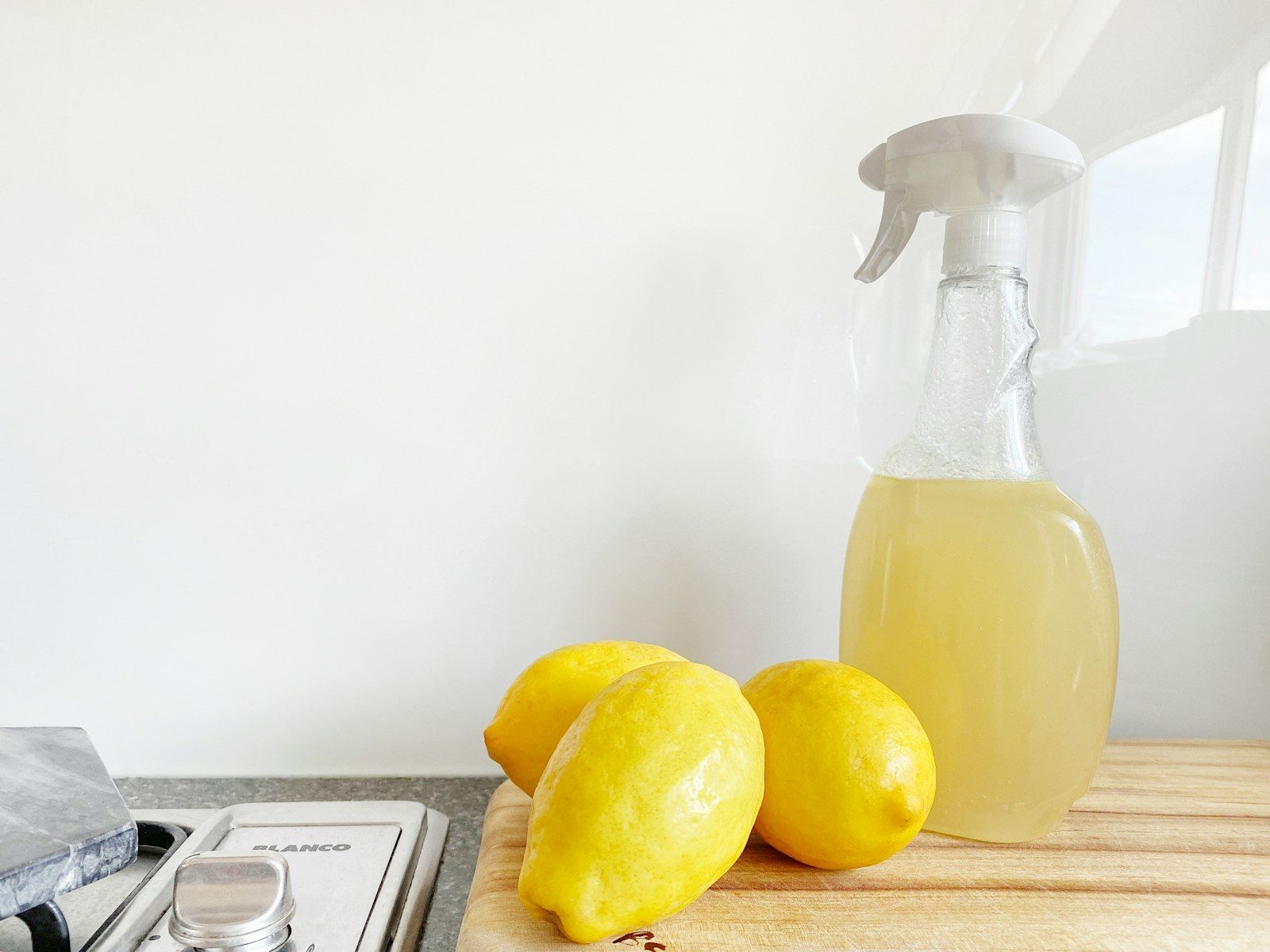
Mix warm water with a small squirt of dish soap or castile soap in a spray bottle. It handles counters, tables and most sealed surfaces.
Glass and mirrors
Equal parts white vinegar and water, wiped with a microfiber cloth, leaves fewer streaks than many commercial sprays.
Sinks, tubs and stovetops
Sprinkle baking soda, scrub with a damp brush or sponge, then rinse. For stubborn spots, make a paste with a little water and let it sit.
Shower soap scum and hard-water spots
Spray undiluted vinegar, let it sit for 10 to 15 minutes, then scrub and rinse.
Air freshening
Open windows, run the exhaust fan, and use baking soda in the fridge and trash. Skip plug-ins and aerosol fresheners. See what “fragrance” on a label can hide.
What simple cleaners can’t do
Vinegar and baking soda are great cleaners, but they aren’t registered disinfectants. When you need to kill germs, such as after handling raw meat or when someone in the house is sick, use a product registered as a disinfectant and follow the label’s directions, including how long the surface must stay wet. Vinegar also shouldn’t be used on natural stone like granite or marble, because its acid can damage the finish.
The safety rule: never mix these
- Bleach + vinegar (or other acids): releases chlorine gas
- Bleach + ammonia: releases toxic chloramine gases
- Different drain cleaners with each other
Store cleaners in their original containers, keep them away from children and pets, and ventilate whenever you clean.
Why we rated this “Moderate”: Respiratory irritation from cleaning chemicals and the dangers of mixing bleach are well documented. The benefits of switching to simpler products for the average healthy household are reasonable but less directly measured, so we rate this Moderate. How we rate evidence
Buying cleaners? Look for Safer Choice
If you’d rather buy ready-made products, the EPA’s Safer Choice program certifies products whose ingredients meet the agency’s safety criteria. Look for the Safer Choice label, and choose fragrance-free versions when available.
Cleaner swaps to try
We may earn a commission if you buy through links in our product picks. It never affects our ratings.
- Microfiber cloth set: cleans most surfaces with just water
- Unscented castile soap: the base for most DIY cleaners
- Safer Choice-certified, fragrance-free cleaners for when you want ready-made
- Glass spray bottles for homemade mixes
The bottom line
Soap, baking soda, vinegar and a microfiber cloth handle most household cleaning, with fewer fumes and less fragrance. Use a registered disinfectant when you truly need to kill germs, never mix bleach with acids or ammonia, and look for the Safer Choice label when you buy. More cleaner ideas in Swaps.
Want one evidence-checked story and three easy swaps every week? Subscribe to our free newsletter.
Sources
- American Lung Association. Cleaning Supplies and Household Chemicals.
- U.S. Environmental Protection Agency. Safer Choice.