Evidence: Early
Key takeaways
- A small Stanford study found that eating more fermented foods for 10 weeks increased gut microbiome diversity and lowered markers of inflammation.
- The study had 36 adults, so the findings are promising but early.
- Fermented foods like yogurt, kefir, kimchi and sauerkraut are easy to add to everyday meals.
- Look for “live and active cultures” and watch added sugar and sodium.
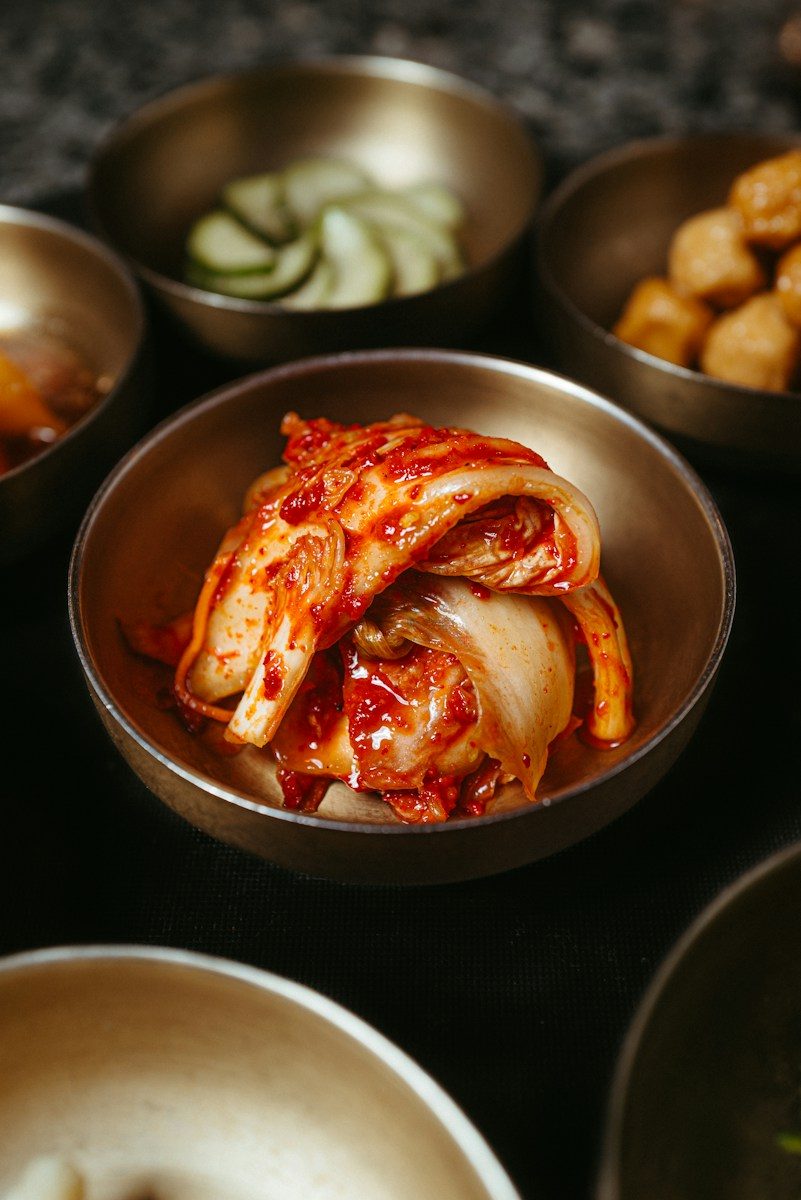
Fermented foods such as yogurt, kefir, kimchi and sauerkraut have been eaten for centuries. Now researchers are studying how they may affect the gut microbiome, the trillions of microbes living in your digestive tract. Here’s what the research actually shows so far.
What the Stanford study found
In a 2021 study published in Cell, Stanford researchers assigned 36 healthy adults to a 10-week diet high in either fermented foods or fiber. People in the fermented-food group ate about six servings a day of foods like yogurt, kefir, fermented cottage cheese, kimchi, other fermented vegetables, vegetable brine drinks and kombucha. That group saw an increase in gut microbiome diversity and decreases in 19 inflammatory proteins measured in the blood. The high-fiber group did not see the same changes in diversity over the study period.
What it doesn’t show
- It was a small, short study in healthy adults.
- It measured biological markers, not disease outcomes.
- Six servings a day is a lot more than most people eat.
- Fermented foods are different from probiotic supplements, which have mixed evidence, according to the National Center for Complementary and Integrative Health.
Why we rated this “Early”: The Stanford findings are interesting and come from a well-designed randomized study, but it was small and short, and larger studies are needed to confirm the effects. How we rate evidence
Easy ways to add fermented foods
- Breakfast: plain yogurt or kefir with fruit
- Lunch: a forkful of sauerkraut or kimchi on a sandwich or bowl
- Snack: cottage cheese with live cultures
- Dinner: miso in soups or dressings (add it after cooking to keep cultures alive)
- Drink: low-sugar kombucha in moderation
What to look for on the label
- “Live and active cultures”: many shelf-stable pickles and sauerkrauts are pasteurized, which kills the cultures. Look in the refrigerated section.
- Added sugar: flavored yogurts and kombuchas can be high. See hidden sugar names on labels.
- Sodium: kimchi, sauerkraut and miso can be salty.
Cleaner swaps to try
We may earn a commission if you buy through links in our product picks. It never affects our ratings.
- Plain whole-milk or Greek yogurt with live cultures
- Plain kefir
- Refrigerated raw sauerkraut or kimchi
- Low-sugar kombucha
The bottom line
Early research suggests fermented foods may support a more diverse gut microbiome. They’re an easy, low-risk addition to a whole-food diet. Start small, choose options with live cultures and little added sugar, and see our pantry swaps and Wellness Tips for more.
Want one evidence-checked story and three easy swaps every week? Subscribe to our free newsletter.
Sources
- Wastyk HC, et al. Gut-microbiota-targeted diets modulate human immune status. Cell. 2021;184(16):4137-4153.
- National Center for Complementary and Integrative Health. Probiotics: What You Need To Know.