Cleaner choices, backed by evidence. New issue of the newsletter every Thursday. Subscribe free

Author: Naturally Proven Editors

  • How to Read a Food Label in 60 Seconds

    How to Read a Food Label in 60 Seconds

    Evidence: Strong

    Key takeaways

    • Start with the serving size. Every number on the label depends on it.
    • Use % Daily Value as a quick guide: 5% or less is low, 20% or more is high.
    • Look for more fiber and less added sugar, sodium and saturated fat.
    • Then flip to the ingredient list: shorter lists of recognizable ingredients usually mean less processing.

    You don’t need a nutrition degree to shop smarter. Once you know where to look, you can read a food label in about a minute and tell whether a product fits what you want. Here’s the fast, five-step method we use, based on the FDA’s own guidance.

    Step 1: Check the serving size (5 seconds)

    Every number on the Nutrition Facts panel is for one serving, and the serving size is often smaller than what people actually eat. If a bag of chips lists 2.5 servings and you eat the whole bag, multiply everything by 2.5.

    Step 2: Glance at calories (5 seconds)

    Calories tell you how much energy is in one serving. They matter, but they don’t tell you about quality, so don’t stop here.

    Step 3: Use the % Daily Value shortcut (15 seconds)

    According to the FDA, the % Daily Value (%DV) shows how much a nutrient in one serving contributes to a total day’s diet. The quick rule: 5% DV or less is low, 20% DV or more is high.

    • Aim high (20%+) for dietary fiber, vitamin D, calcium, iron and potassium.
    • Aim low (5% or less) for saturated fat, sodium and added sugars.

    Step 4: Find the Added Sugars line (10 seconds)

    The label lists Added Sugars on its own line, separate from total sugars. The FDA’s Daily Value for added sugars is 50 grams. Natural sugars in plain milk or fruit aren’t counted here, so this line shows what was added during processing. Learn the many names sugar hides behind in our guide to hidden sugar on labels.

    Step 5: Read the ingredient list (25 seconds)

    Ingredients are listed by weight, from most to least. A few quick checks:

    • What’s first? The first few ingredients make up most of the product.
    • How long is the list? Long lists full of ingredients you wouldn’t cook with often signal an ultra-processed food.
    • Any additives you avoid? Look for synthetic dyes like Red 40, sweeteners, or “fragrance” in non-food products.

    Not sure what an ingredient is? Check our Ingredient Decoder, or see why it matters in what the biggest review found about ultra-processed foods.

    Why we rated this “Strong”: This method follows the FDA’s official guidance for using the Nutrition Facts label, and the nutrients to limit or seek out reflect long-standing dietary recommendations. How we rate evidence

    Ignore the front of the package

    Claims like “made with real fruit,” “lightly sweetened,” or “natural” are marketing. The Nutrition Facts panel and ingredient list are where the facts are. See what “natural” on a label really means.

    Cleaner swaps to try

    We may earn a commission if you buy through links in our product picks. It never affects our ratings.

    • Breakfast: cereals with 3+ grams of fiber and low added sugar
    • Snacks: options with short ingredient lists you recognize
    • Sauces: compare brands for sodium and added sugar per serving

    The bottom line

    Serving size, %DV, added sugars, then ingredients. Practice it a few times and it becomes automatic. It’s the single most useful habit for choosing cleaner foods. More label skills in our Ingredient Decoder.

    Want one evidence-checked story and three easy swaps every week? Subscribe to our free newsletter.

    Sources

    1. U.S. Food and Drug Administration. How to Understand and Use the Nutrition Facts Label.
    2. U.S. Food and Drug Administration. Added Sugars on the Nutrition Facts Label.
  • What “Natural” on a Food Label Really Means

    What “Natural” on a Food Label Really Means

    Evidence: Strong

    Key takeaways

    • The FDA has never set a formal legal definition of “natural” for food labels.
    • Its long-standing informal policy: nothing artificial or synthetic was added that wouldn’t normally be expected in the food.
    • “Natural” says nothing about nutrition, processing, pesticides or whether a food is organic.
    • In 2026, the FDA also loosened when foods can claim “no artificial colors,” so read ingredient lists, not just front-of-pack claims.

    “All natural” is one of the most persuasive words on a grocery shelf, and one of the least regulated. If you’ve ever wondered what “natural” on a food label really means, the short answer is: not as much as you’d think.

    Is “natural” legally defined?

    No. The FDA has never established a formal regulatory definition of “natural” for food labeling, as this labeling explainer notes. Instead, the agency has applied an informal policy for decades: it considers “natural” to mean that nothing artificial or synthetic, including any added color, has been included in or added to a food that would not normally be expected in that food, according to the FDA.

    Because it’s a policy rather than a rule, enforcement is limited, and many products carry the word with very little oversight.

    What “natural” does NOT tell you

    • Nutrition: “natural” candy, chips and soda still contain sugar, salt and calories.
    • Processing: a “natural” product can still be highly processed.
    • Farming methods: “natural” isn’t the same as organic, and it doesn’t tell you about pesticides or how animals were raised.
    • Health: “natural” isn’t a health claim, and natural ingredients aren’t automatically safer.

    Labels that do have rules

    Some claims are legally defined, which makes them more useful:

    • USDA Organic: set and enforced by the USDA’s National Organic Program.
    • Gluten-free: must contain less than 20 parts per million of gluten.
    • “Low,” “reduced,” “high”: nutrient claims with specific numeric limits.
    • “Healthy”: the FDA updated its definition, with compliance required starting in February 2028.

    A 2026 change: “no artificial colors”

    In February 2026, the FDA announced it would not take action against foods labeled “no artificial colors” as long as they contain no petroleum-based certified color additives, even if they contain colors from natural sources, as Buchanan Ingersoll & Rooney explains. Consumer groups noted that this could confuse shoppers, because such foods may still be colored with added plant-based colorings. See our guide to synthetic food dyes.

    Why we rated this “Strong”: The facts here come from the FDA’s own policy statements and legal analyses of food-labeling rules. There’s no scientific debate about what the word legally means; the issue is that it means very little. How we rate evidence

    How to shop smarter

    1. Skip the front of the box. Treat “natural” as marketing.
    2. Read the ingredient list. Short lists of ingredients you recognize tell you more than any claim.
    3. Check the Nutrition Facts. See How to Read a Food Label in 60 Seconds.
    4. Look for defined seals like USDA Organic if those standards matter to you.

    The bottom line

    “Natural” on a food label sounds reassuring but has no formal legal definition and tells you nothing about nutrition or processing. Let the ingredient list and Nutrition Facts panel guide you instead. More in our Ingredient Decoder.

    Want one evidence-checked story and three easy swaps every week? Subscribe to our free newsletter.

    Sources

    1. U.S. Food and Drug Administration. Use of the Term Natural on Food Labeling.
    2. inkl. Which grocery label claims are legally defined, and which are just marketing. 2026.
    3. Buchanan Ingersoll & Rooney. FDA Announces New Enforcement Policy on “No Artificial Colors” Food Labeling. 2026.
  • “Multigrain” vs. “Whole Grain”: How to Tell the Difference

    “Multigrain” vs. “Whole Grain”: How to Tell the Difference

    Evidence: Strong

    Key takeaways

    • “Multigrain” only means more than one type of grain. Those grains can be refined.
    • A whole grain keeps all three parts of the kernel: bran, germ and endosperm.
    • Look for “whole” before the grain name as the first ingredient, or the 100% Whole Grain Stamp.
    • Brown color, seeds, or words like “wheat” and “stoneground” don’t guarantee whole grain.

    Bread aisles are full of hearty-sounding labels: multigrain, seven-grain, wheat, stoneground. Many shoppers assume they all mean whole grain. They don’t. Here’s how to tell multigrain vs. whole grain in a few seconds.

    What “whole grain” means

    A whole grain contains the entire kernel: the fiber-rich bran, the nutrient-dense germ, and the starchy endosperm. Refined grains, like white flour, have the bran and germ removed, losing much of the fiber. Some refined flours are “enriched,” which adds back certain B vitamins and iron, but not the fiber.

    What “multigrain” means

    “Multigrain” simply means a product contains more than one kind of grain. As Michigan State University Extension explains, that doesn’t mean any of those grains are whole. A multigrain bread can be made mostly from refined white flour with a few other grains or seeds added.

    Other misleading terms

    • “Wheat bread” or “wheat flour”: usually refined white flour. Look for “whole wheat.”
    • “Stoneground,” “cracked wheat,” “seven-grain”: describe processing or variety, not whether the grain is whole.
    • Brown color: can come from molasses or caramel color.
    • “Made with whole grains”: may contain only a small amount.

    How to spot real whole grain

    1. Check the first ingredient. It should say “whole” before the grain, such as “whole wheat flour,” “whole oats” or “whole grain corn.” Brown rice and oats are also whole grains.
    2. Look for the Whole Grain Stamp. The Whole Grains Council’s 100% Stamp means all the grain in the product is whole grain and each serving contains a full serving of whole grain. The stamp is voluntary, so many good products don’t use it.
    3. Don’t rely on fiber alone. Some products add fiber from other sources.

    Why we rated this “Strong”: The definitions of whole and refined grains are well established, and the labeling advice comes from university extension programs, the FDA’s draft guidance on whole-grain statements, and the Whole Grains Council. Evidence that whole grains benefit health is also strong. How we rate evidence

    Cleaner swaps to try

    We may earn a commission if you buy through links in our product picks. It never affects our ratings.

    • Bread: “100% whole wheat” or “100% whole grain” with whole grain listed first
    • Pasta: whole wheat or legume-based pasta
    • Breakfast: plain oats or steel-cut oats instead of refined cereal
    • Snacks: whole-grain crackers or homemade popcorn

    The bottom line

    “Multigrain” isn’t the same as whole grain. Check that “whole” comes before the first grain on the ingredient list, or look for the 100% Whole Grain Stamp. For more label shortcuts, see How to Read a Food Label in 60 Seconds and our pantry swaps.

    Want one evidence-checked story and three easy swaps every week? Subscribe to our free newsletter.

    Sources

    1. Michigan State University Extension. Whole grain vs. multigrain vs. whole wheat.
    2. Whole Grains Council. Whole Grain Stamp.
    3. U.S. Food and Drug Administration. Draft Guidance: Whole Grain Label Statements.
  • PFAS “Forever Chemicals”: Where They Hide and How to Cut Exposure

    PFAS “Forever Chemicals”: Where They Hide and How to Cut Exposure

    Evidence: Moderate

    Key takeaways

    • PFAS are thousands of man-made chemicals that resist water, grease and stains, and break down very slowly, which is why they’re called “forever chemicals.”
    • The EPA keeps enforceable drinking water limits of 4 parts per trillion for two PFAS, PFOA and PFOS, but in 2026 proposed giving water systems until 2031 to comply and dropping limits for four others.
    • Common sources include some nonstick cookware, stain- and water-resistant fabrics, grease-resistant food packaging and contaminated water.
    • You can lower exposure with a certified water filter and a few simple product swaps.

    PFAS “forever chemicals” show up in headlines, water reports and product labels. They’re in many everyday items and, according to the EPA, can build up in people and the environment over time. Here’s where they hide, what the rules say in 2026, and practical ways to cut your exposure.

    What are PFAS?

    PFAS (per- and polyfluoroalkyl substances) are a large family of man-made chemicals used since the 1940s to make products resist water, grease, stains and heat. Their chemical bonds are extremely strong, so they break down very slowly in the environment and the body. The EPA notes that exposure to some PFAS has been linked to harmful health effects in people and animals, and research on the many different PFAS is ongoing.

    Where PFAS hide

    • Drinking water in some areas, especially near industrial sites, airports and military bases
    • Some nonstick cookware, especially older or scratched pans
    • Stain- and water-resistant carpets, upholstery and outdoor gear
    • Grease-resistant food packaging, such as some fast-food wrappers and microwave popcorn bags
    • Some cosmetics and dental floss

    What the rules say in 2026

    In 2024, the EPA set the first national drinking water limits for six PFAS. In May 2026, the agency proposed changes: it would keep the 4 parts per trillion limits for PFOA and PFOS, propose rescinding standards for four other PFAS, and let qualifying water systems apply for extra time, until 2031, to comply, according to Ballard Spahr and Harvard’s Environmental and Energy Law Program. Legal challenges are expected, and several states have their own, sometimes stricter, PFAS rules.

    Why we rated this “Moderate”: Regulators agree some PFAS can harm health and that exposure is widespread. But there are thousands of PFAS, research on most of them is limited, and the health effects at typical exposure levels are still being studied. How we rate evidence

    How to cut your PFAS exposure

    1. Check your water. Look up your utility’s annual water quality report, or test private well water.
    2. Filter if needed. Choose a filter certified to reduce PFOA and PFOS. See Choosing a Water Filter: What Each Certification Actually Removes.
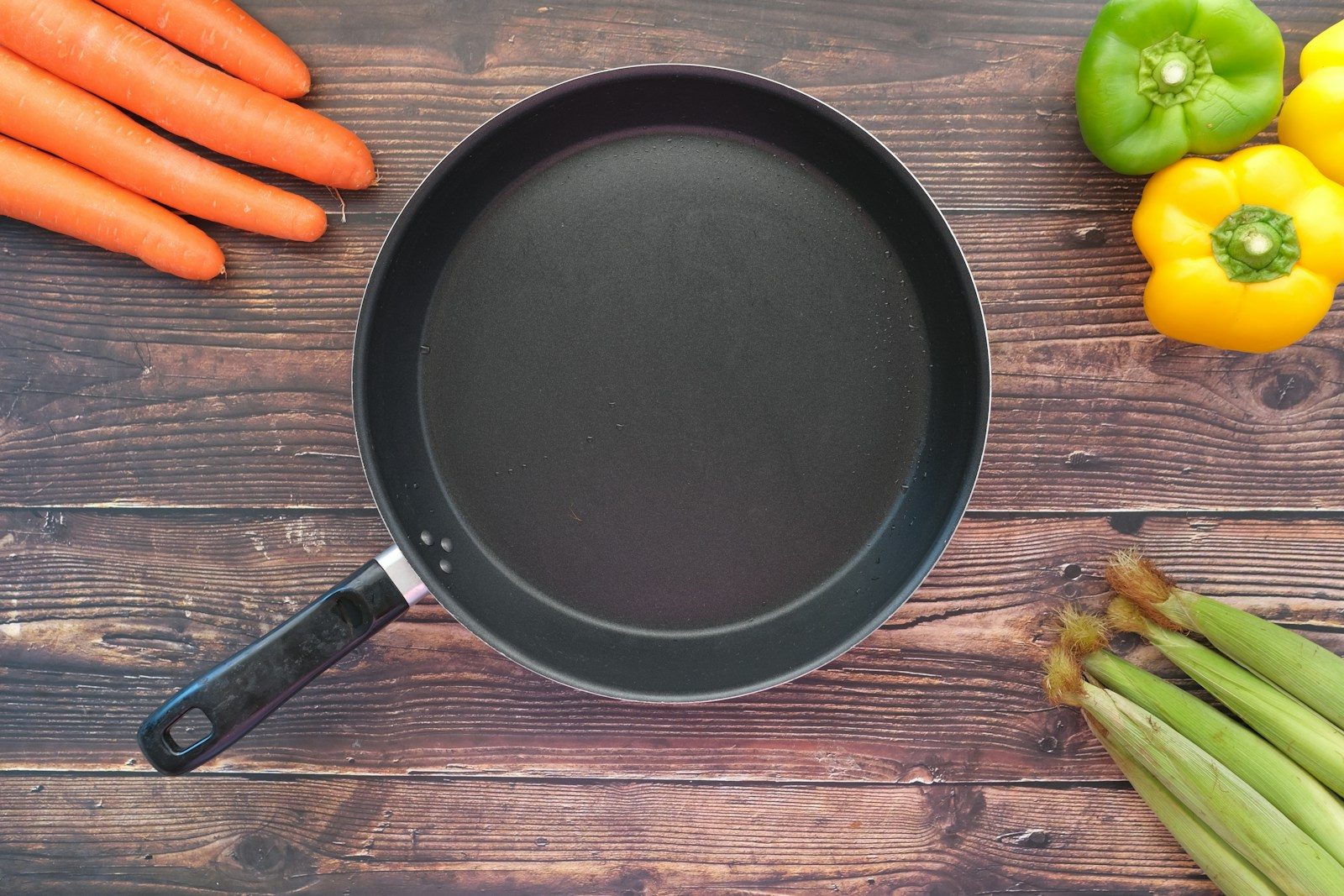
    3. Rethink cookware. Replace scratched nonstick pans; consider cast iron, stainless steel or ceramic.
    4. Skip stain-resistant treatments on new furniture and carpets when you can.
    5. Cut back on greasy takeout packaging and microwave popcorn bags; pop corn on the stove instead.

    Cleaner swaps to try

    We may earn a commission if you buy through links in our product picks. It never affects our ratings.

    • Water: a pitcher or under-sink filter certified for PFOA/PFOS reduction
    • Cookware: cast iron or stainless steel pans
    • Popcorn: plain kernels and a stovetop popper
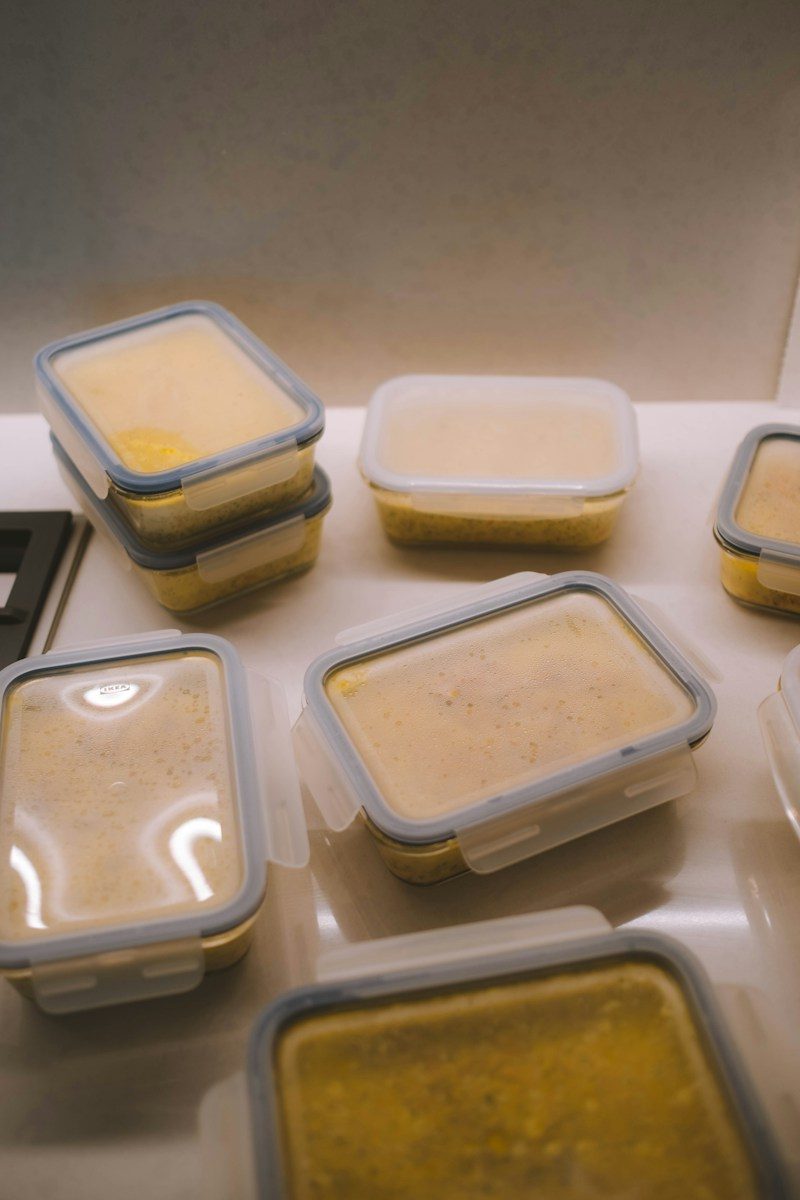
    • Food storage: glass containers instead of coated packaging

    The bottom line

    PFAS are widespread and slow to break down. Federal water limits for PFOA and PFOS remain, but deadlines and other standards are shifting. You can lower your exposure today with a certified water filter and a few cleaner swaps. See more in our Avoid List.

    Want one evidence-checked story and three easy swaps every week? Subscribe to our free newsletter.

    Sources

    1. U.S. Environmental Protection Agency. Per- and Polyfluoroalkyl Substances (PFAS).
    2. Harvard Environmental & Energy Law Program. PFAS in Drinking Water: Regulatory Tracker. 2026.
    3. Ballard Spahr. EPA Rolls Back PFAS Regulations; States Fill the Gap. June 2026.
  • Choosing a Water Filter: What Each Certification Actually Removes

    Choosing a Water Filter: What Each Certification Actually Removes

    Evidence: Strong

    Key takeaways

    • No single filter removes everything. Match the filter to what’s actually in your water.
    • NSF/ANSI 42 covers taste and odor (like chlorine), not health contaminants.
    • NSF/ANSI 53 covers health-related contaminants such as lead; NSF/ANSI 58 covers reverse osmosis systems.
    • For PFAS, look for a filter specifically certified to reduce PFOA and PFOS, and confirm it on the certifier’s listing.

    Water filters are covered in numbers: NSF 42, 53, 58, 401. They matter, but they’re confusing. This guide explains water filter certifications in plain English, so you can pick a filter that removes what’s actually in your water.

    Step 1: Find out what’s in your water

    Before buying anything, check your water utility’s annual water quality report (often called a Consumer Confidence Report), or test your water if you have a private well. Your results tell you which certification you need. If your concern is PFAS, read PFAS “Forever Chemicals”: Where They Hide.

    Step 2: Know what each certification means

    NSF/ANSI 42: taste and odor

    Covers “aesthetic” effects such as chlorine taste and smell. Great for better-tasting water, but it doesn’t mean the filter reduces lead or other health-related contaminants.

    NSF/ANSI 53: health-related contaminants

    Covers contaminants with health effects, such as lead and certain chemicals. According to NSF, the standards for carbon-based filters (53) and reverse osmosis systems (58) include test methods for PFOA and PFOS reduction.

    NSF/ANSI 58: reverse osmosis

    Applies to reverse osmosis (RO) systems, which push water through a membrane and can reduce a wide range of contaminants, including some that carbon filters can’t, as this certification guide explains. RO systems are usually installed under the sink and waste some water.

    NSF/ANSI 401: emerging contaminants

    Covers certain “emerging” contaminants, such as some pharmaceuticals and BPA, that aren’t yet regulated in drinking water.

    Step 3: Check the exact contaminant listing

    Certification is per contaminant. A filter certified to NSF/ANSI 53 for lead may not be certified for PFAS. Look up the specific model on the certifier’s website (such as NSF or the Water Quality Association) and confirm the exact contaminants it’s certified to reduce. “Tested to NSF standards” is not the same as “NSF certified.”

    Why we rated this “Strong”: The certification details come from NSF, the organization that writes and certifies these standards. Matching a filter to your water test results is standard advice from water-quality experts. How we rate evidence

    Quick picks by concern

    • Chlorine taste: NSF/ANSI 42
    • Lead: NSF/ANSI 53 (lead listed) or NSF/ANSI 58
    • PFAS (PFOA/PFOS): NSF/ANSI 53 or 58 with PFOA/PFOS specifically listed
    • Broad reduction, including some dissolved minerals: reverse osmosis (NSF/ANSI 58)

    Cleaner swaps to try

    We may earn a commission if you buy through links in our product picks. It never affects our ratings.

    • Pitcher filter certified for your specific contaminant
    • Under-sink carbon filter for higher volume
    • Reverse osmosis system for the broadest reduction
    • Replacement cartridges on schedule: an old filter stops working

    The bottom line

    Test or check your water first, then choose a filter certified for the specific contaminants you care about, and change cartridges on time. More cleaner home swaps in Swaps, including cleaner home-cleaning swaps.

    Want one evidence-checked story and three easy swaps every week? Subscribe to our free newsletter.

    Sources

    1. NSF. PFOA/PFOS Reduction Claims Requirements Added to NSF Standards.
    2. Water Purification Guide. What Do NSF/ANSI 401, 53 and 58 Actually Mean?.
    3. U.S. Environmental Protection Agency. Consumer Confidence Reports (CCR).
  • Phthalates: Where They Hide in Everyday Products

    Phthalates: Where They Hide in Everyday Products

    Evidence: Moderate

    Key takeaways

    • Phthalates are chemicals that make plastics soft and help scents last. They’re in many everyday products.
    • National testing shows most people have measurable phthalate exposure.
    • Animal studies and some human studies link certain phthalates to hormone and reproductive effects; research in people is ongoing.
    • Cutting back on fragranced products, vinyl and plastic food containers lowers exposure.

    Phthalates (pronounced THAL-ates) rarely appear on labels, but they’re in many products we touch every day. Here’s where they hide, what researchers know about their health effects, and easy ways to reduce your exposure.

    What are phthalates?

    Phthalates are a group of chemicals used to make plastics like vinyl (PVC) soft and flexible, and to help fragrances last longer. Because they aren’t chemically bound to plastic, they can leach out over time, especially with heat, according to a National Research Council report.

    Where phthalates hide

    • Vinyl products: shower curtains, flooring, some raincoats and toys
    • Fragranced products: perfume, scented lotions, air fresheners and detergents, often hidden under the word “fragrance”
    • Food: from processing equipment, tubing and packaging, especially in fatty or processed foods
    • Household dust, which collects phthalates released from products

    Because “fragrance” can hide many ingredients, phthalates often don’t appear on labels at all. Read more in what “fragrance” on a label can hide.

    What does the research say?

    U.S. national health surveys have measured phthalate breakdown products in the urine of most people tested, and research has found higher levels in children than adults. Phthalates are considered potential endocrine disruptors, chemicals that can interfere with hormones, according to the National Institute of Environmental Health Sciences. Animal studies have linked certain phthalates to reproductive and developmental effects, and some human studies have found associations, but researchers note that effects in people haven’t been conclusively demonstrated.

    Why we rated this “Moderate”: Exposure is well documented, and animal evidence of hormone-related effects is substantial for some phthalates. Human evidence is more limited and mostly observational, so we rate this Moderate. How we rate evidence

    How to cut your exposure

    1. Choose fragrance-free personal care and cleaning products.
    2. Don’t microwave food in plastic. Use glass or ceramic instead.
    3. Swap vinyl shower curtains for fabric ones.
    4. Cook more fresh food and eat less heavily processed and fast food.
    5. Dust and vacuum regularly with a damp cloth or HEPA vacuum, and wash hands before eating.

    Cleaner swaps to try

    We may earn a commission if you buy through links in our product picks. It never affects our ratings.

    • Fabric shower curtain instead of vinyl
    • Glass food-storage containers
    • Fragrance-free lotion and detergent
    • Stainless steel water bottle

    The bottom line

    Phthalates are common, mostly hidden from labels, and linked to hormone concerns in research. You can’t avoid them completely, but going fragrance-free, keeping plastic away from heat and food, and reducing processed foods all help. More in our Avoid List and pantry swaps.

    Want one evidence-checked story and three easy swaps every week? Subscribe to our free newsletter.

    Sources

    1. National Research Council. Phthalates and Cumulative Risk Assessment: Phthalate Exposure Assessment in Humans. National Academies Press, 2008.
    2. National Institute of Environmental Health Sciences. Endocrine Disruptors.
    3. Congressional Research Service. Phthalates in Plastics and Possible Human Health Effects. 2008.
  • Fermented Foods: What the Research Says About Your Gut

    Fermented Foods: What the Research Says About Your Gut

    Evidence: Early

    Key takeaways

    • A small Stanford study found that eating more fermented foods for 10 weeks increased gut microbiome diversity and lowered markers of inflammation.
    • The study had 36 adults, so the findings are promising but early.
    • Fermented foods like yogurt, kefir, kimchi and sauerkraut are easy to add to everyday meals.
    • Look for “live and active cultures” and watch added sugar and sodium.

    Fermented foods such as yogurt, kefir, kimchi and sauerkraut have been eaten for centuries. Now researchers are studying how they may affect the gut microbiome, the trillions of microbes living in your digestive tract. Here’s what the research actually shows so far.

    What the Stanford study found

    In a 2021 study published in Cell, Stanford researchers assigned 36 healthy adults to a 10-week diet high in either fermented foods or fiber. People in the fermented-food group ate about six servings a day of foods like yogurt, kefir, fermented cottage cheese, kimchi, other fermented vegetables, vegetable brine drinks and kombucha. That group saw an increase in gut microbiome diversity and decreases in 19 inflammatory proteins measured in the blood. The high-fiber group did not see the same changes in diversity over the study period.

    What it doesn’t show

    • It was a small, short study in healthy adults.
    • It measured biological markers, not disease outcomes.
    • Six servings a day is a lot more than most people eat.
    • Fermented foods are different from probiotic supplements, which have mixed evidence, according to the National Center for Complementary and Integrative Health.

    Why we rated this “Early”: The Stanford findings are interesting and come from a well-designed randomized study, but it was small and short, and larger studies are needed to confirm the effects. How we rate evidence

    Easy ways to add fermented foods

    1. Breakfast: plain yogurt or kefir with fruit
    2. Lunch: a forkful of sauerkraut or kimchi on a sandwich or bowl
    3. Snack: cottage cheese with live cultures
    4. Dinner: miso in soups or dressings (add it after cooking to keep cultures alive)
    5. Drink: low-sugar kombucha in moderation

    What to look for on the label

    • “Live and active cultures”: many shelf-stable pickles and sauerkrauts are pasteurized, which kills the cultures. Look in the refrigerated section.
    • Added sugar: flavored yogurts and kombuchas can be high. See hidden sugar names on labels.
    • Sodium: kimchi, sauerkraut and miso can be salty.

    Cleaner swaps to try

    We may earn a commission if you buy through links in our product picks. It never affects our ratings.

    • Plain whole-milk or Greek yogurt with live cultures
    • Plain kefir
    • Refrigerated raw sauerkraut or kimchi
    • Low-sugar kombucha

    The bottom line

    Early research suggests fermented foods may support a more diverse gut microbiome. They’re an easy, low-risk addition to a whole-food diet. Start small, choose options with live cultures and little added sugar, and see our pantry swaps and Wellness Tips for more.

    Want one evidence-checked story and three easy swaps every week? Subscribe to our free newsletter.

    Sources

    1. Wastyk HC, et al. Gut-microbiota-targeted diets modulate human immune status. Cell. 2021;184(16):4137-4153.
    2. National Center for Complementary and Integrative Health. Probiotics: What You Need To Know.
  • Dye-Free Snacks for Kids: Easy Swaps Parents Can Make Today

    Dye-Free Snacks for Kids: Easy Swaps Parents Can Make Today

    Evidence: Moderate

    Key takeaways

    • Synthetic dyes like Red 40, Yellow 5 and Yellow 6 are common in kids’ snacks, cereals and drinks.
    • Some studies link certain dyes to increased hyperactivity in some children; the American Academy of Pediatrics has raised concerns about food additives in children’s diets.
    • The FDA’s plan to phase out petroleum-based dyes is voluntary, and the timeline has slipped, so reading labels still matters.
    • Easy swaps exist for nearly every brightly colored snack.

    Brightly colored snacks are everywhere in lunchboxes. If you want to cut back on synthetic food dyes, you don’t have to give up fun snacks. Here are easy, realistic dye-free snack swaps parents can make today.

    Why parents are paying attention

    A 2007 randomized trial in The Lancet found that mixtures of certain artificial colors (with a preservative) increased hyperactive behavior in some children from the general population. In 2018, the American Academy of Pediatrics issued a policy statement on food additives and child health, raising concerns about several additives, including artificial food colors. For the latest on U.S. policy, read our guide to the synthetic food dye phase-out.

    Why we rated this “Moderate”: Controlled trials show some children are sensitive to certain dye mixtures, and pediatric experts have raised concerns. But effects vary between children and studies, so we rate this Moderate. How we rate evidence

    How to spot dyes on the label

    Look for names like Red 40, Yellow 5 (tartrazine), Yellow 6, Blue 1, Blue 2, Green 3 and Red 3, sometimes followed by “Lake.” Colors from sources like beet juice, turmeric, paprika, spirulina or annatto are typically listed by name. See how to read a food label.

    Easy dye-free swaps

    • Fruit snacks → fruit leather made from fruit only, or fresh grapes and berries
    • Bright cereals → plain whole-grain O’s with fresh fruit
    • Neon sports drinks → water or water with a splash of 100% juice
    • Colored candies → candies colored with fruit and vegetable juices
    • Cheese puffs → popcorn or puffs colored with annatto or paprika
    • Flavored yogurt tubes → plain yogurt blended with berries

    Cleaner swaps to try

    We may earn a commission if you buy through links in our product picks. It never affects our ratings.

    • Fruit-only fruit leather
    • Plain popcorn for a crunchy snack
    • Snacks colored with vegetable juices
    • Reusable water bottle to replace colored drinks

    The bottom line

    You don’t need to overhaul your pantry overnight. Swap one or two of your kids’ most frequent snacks, read labels for dye names, and lean on whole foods when you can. More ideas in Swaps and easy pantry swaps.

    Want one evidence-checked story and three easy swaps every week? Subscribe to our free newsletter.

    Sources

    1. McCann D, et al. Food additives and hyperactive behaviour in 3-year-old and 8/9-year-old children in the community. The Lancet. 2007;370(9598):1560-1567.
    2. Trasande L, et al. Food Additives and Child Health. Pediatrics. 2018;142(2):e20181408.
  • Do Houseplants Really Clean Indoor Air?

    Do Houseplants Really Clean Indoor Air?

    Evidence: Strong

    Key takeaways

    • The idea that houseplants clean indoor air mostly comes from sealed-chamber experiments, not real homes.
    • A 2019 review estimated you’d need roughly 10 to 1,000 plants per square meter to match the air exchange a building already gets from ventilation.
    • Ventilation, cutting pollution at the source, and HEPA air purifiers do far more for indoor air.
    • Houseplants are still great for mood and decor, just not as air purifiers.

    You’ve probably seen lists of the “best air-purifying plants.” But do houseplants really clean indoor air? The research says: not in any meaningful way in a normal home. Here’s why, and what actually works.

    Where the myth started

    Much of the claim traces back to a NASA study from 1989 that tested plants in small, sealed chambers. In those chambers, plants did reduce some chemicals over many hours. But a sealed box is very different from a home, where air is constantly exchanged with the outdoors.

    What newer research shows

    In 2019, researchers Bryan Cummings and Michael Waring reviewed decades of plant studies in the Journal of Exposure Science & Environmental Epidemiology. They converted the results to real-world terms and estimated that it would take between 10 and 1,000 plants per square meter of floor space to match the air cleaning a typical building already gets from ventilation. In other words, a few plants on a shelf make essentially no measurable difference.

    Why we rated this “Strong”: A peer-reviewed review analyzed many studies and found consistent results, and it matches the EPA’s guidance that ventilation and source control are the most effective ways to improve indoor air. How we rate evidence

    What actually improves indoor air

    1. Reduce sources: choose fragrance-free products and skip air fresheners. See cleaner home-cleaning swaps.
    2. Ventilate: open windows when outdoor air is good and run kitchen and bathroom exhaust fans.
    3. Filter: use a portable air cleaner with a HEPA filter sized for the room, as recommended in the EPA’s guide to air cleaners.
    4. Upgrade HVAC filters to a higher-efficiency filter your system can handle.
    5. Avoid ozone generators, which can produce a lung irritant.

    Cleaner swaps to try

    We may earn a commission if you buy through links in our product picks. It never affects our ratings.

    • Portable HEPA air purifier sized for your room
    • Higher-efficiency HVAC filter
    • Fragrance-free cleaners
    • Houseplants, for beauty and mood rather than air cleaning

    The bottom line

    Keep your plants: they can brighten a room and lift your mood. But for cleaner indoor air, focus on fewer pollution sources, better ventilation and a HEPA air purifier. More ideas in Swaps and our Avoid List.

    Want one evidence-checked story and three easy swaps every week? Subscribe to our free newsletter.

    Sources

    1. Cummings BE, Waring MS. Potted plants do not improve indoor air quality: a review and analysis of reported VOC removal efficiencies. J Expo Sci Environ Epidemiol. 2020;30:253-261.
    2. U.S. Environmental Protection Agency. Guide to Air Cleaners in the Home.
  • CBD Topicals: What to Know Before You Buy a Cream or Balm

    CBD Topicals: What to Know Before You Buy a Cream or Balm

    Evidence: Early

    Key takeaways

    • CBD topicals (creams, balms, lotions and roll-ons) are applied to the skin and are widely sold, but clinical research on them is still limited.
    • Reviews have found few high-quality human trials and not enough evidence to set dosing for topical CBD.
    • FDA testing has found that some CBD products don’t contain the amount of CBD their labels claim.
    • Under the federal hemp law taking effect December 11, 2026, the rules for hemp-derived products are changing, so check labels and lab reports.

    CBD topicals are some of the most popular CBD products on the market. Before you buy a cream or balm, here’s what the research says, what the label should tell you, and how the 2026 hemp law affects what’s on store shelves.

    What are CBD topicals?

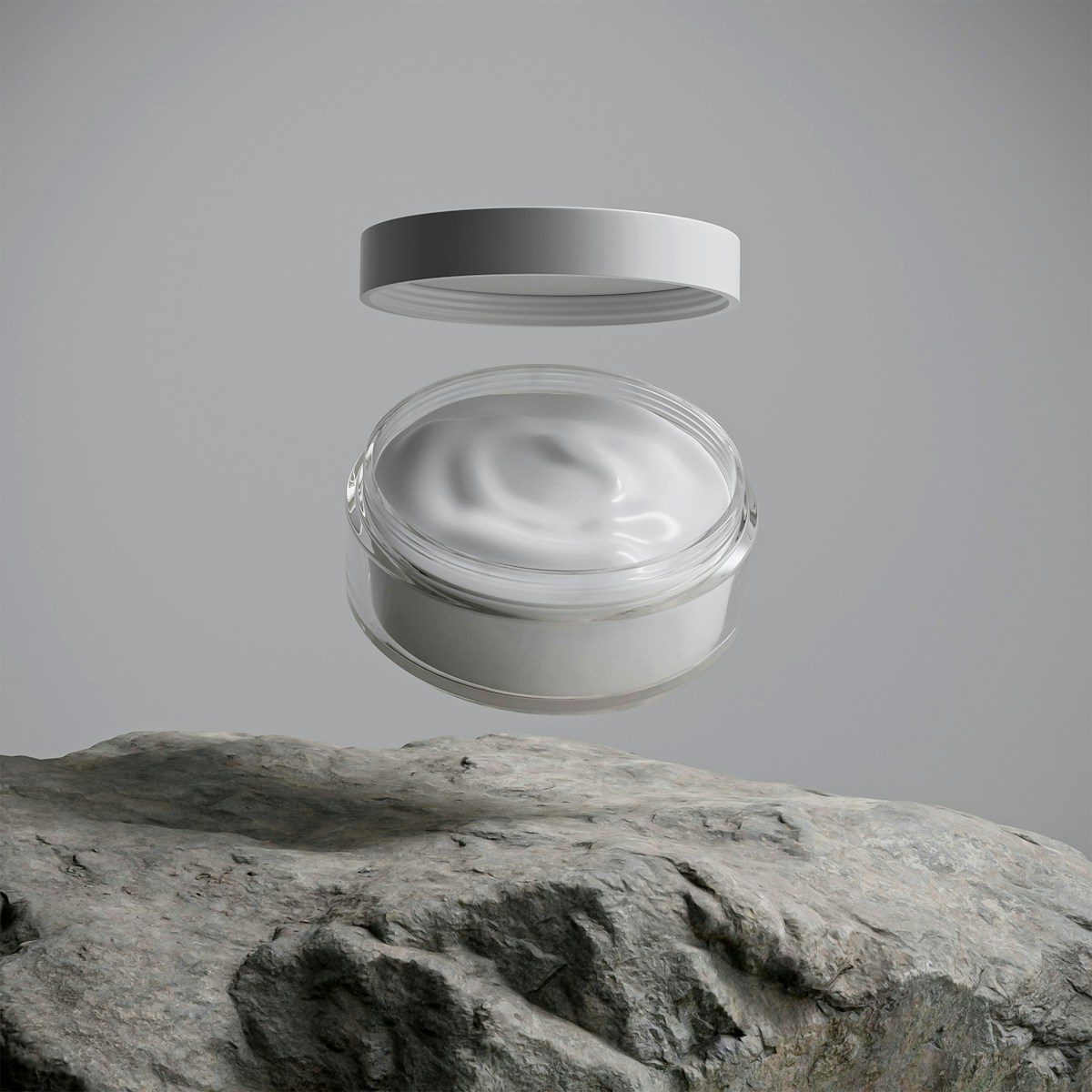
    Topicals are CBD products applied to the skin rather than swallowed. They include creams, balms, salves, lotions, roll-ons and patches. Most contain CBD in a base of oils, butters or lotion, and many also include other ingredients such as menthol, camphor, arnica or essential oils, which can make it hard to know what’s doing what.

    What the research shows so far

    Researchers have published relatively few controlled human studies on topical CBD, and reviews have concluded that the evidence is not yet strong enough to establish effective doses. The FDA notes that many questions remain about CBD’s safety and effectiveness, and it has not approved any topical CBD product. That’s why we don’t make health claims about CBD topicals.

    Why we rated this “Early”: Human research on topical CBD is limited and inconsistent, and many products combine CBD with other active ingredients, making results hard to interpret. How we rate evidence

    How to shop smarter

    1. Ask for a lab report (COA) from an independent lab that matches the product’s batch. Learn how to read a CBD lab report.
    2. Check the CBD amount per container and per application. FDA test results have found products with more or less CBD than claimed.
    3. Read the full ingredient list, especially if you have sensitive skin or allergies. Watch for “fragrance.” See what “fragrance” can hide.
    4. Patch test first on a small area of skin.
    5. Skip products with disease claims. Promises to cure or treat conditions are a red flag.

    What the 2026 hemp law means for topicals

    A new federal definition of hemp takes effect on December 11, 2026, limiting finished hemp-derived products to 0.4 milligrams of total THC per container. How the rule applies to different product types may continue to be clarified by regulators, so expect some products to be reformulated or removed. Read our guide to the December 11 hemp rules.

    Cleaner swaps to try

    We may earn a commission if you buy through links in our product picks. It never affects our ratings.

    • Brands that post batch-specific COAs from independent labs
    • Fragrance-free formulas for sensitive skin
    • Clear CBD amounts in milligrams on the label
    • Simple ingredient lists

    The bottom line

    CBD topicals are popular, but the science is still catching up. If you choose to try one, buy from brands with clear labels and independent lab reports, patch test first, and be skeptical of big promises. More in CBD & Botanicals.

    Want one evidence-checked story and three easy swaps every week? Subscribe to our free newsletter.

    Sources

    1. U.S. Food and Drug Administration. What You Need to Know (And What We’re Working to Find Out) About Products Containing Cannabis or Cannabis-derived Compounds, Including CBD.
    2. U.S. Food and Drug Administration. Warning Letters and Test Results for Cannabidiol-Related Products.