Cleaner choices, backed by evidence. New issue of the newsletter every Thursday. Subscribe free

Author: Naturally Proven Editors

  • Water vs. Sports Drinks: What You Actually Need

    Water vs. Sports Drinks: What You Actually Need

    Evidence: Strong

    Key takeaways

    • For most people and most activities, water is the best way to stay hydrated.
    • The American Academy of Pediatrics says water should be the main source of hydration for children and teens.
    • Sports drinks are designed for prolonged, vigorous exercise or heavy sweating, not everyday sipping.
    • Many sports drinks add sugar, sodium and sometimes synthetic dyes.

    Sports drinks are marketed as the smart choice for staying hydrated. But for everyday life, a gym session or a kids’ soccer practice, do you really need one? Here’s what the evidence says about water vs. sports drinks.

    What sports drinks are actually for

    Sports drinks contain water, carbohydrates (sugar) and electrolytes like sodium and potassium. They were designed to help athletes replace fluids, electrolytes and energy during long, intense exercise. In a 2011 clinical report, the American Academy of Pediatrics concluded that water, not sports drinks, should be the principal source of hydration for children and adolescents, and that sports drinks have a limited role for young athletes during prolonged, vigorous activity.

    Why we rated this “Strong”: This guidance comes from major medical and scientific bodies and reflects a broad consensus on hydration for everyday activity. How we rate evidence

    How much water do you need?

    Needs vary with age, body size, activity and climate. The National Academies set general adequate intakes for total water from all beverages and foods, and note that most healthy people meet their needs by letting thirst guide them and drinking with meals.

    When a sports drink might make sense

    • Prolonged, vigorous exercise, roughly an hour or more
    • Heavy sweating in hot, humid weather
    • Endurance events like long runs, rides or tournaments

    For most workouts under an hour, water is enough.

    What to watch for

    • Added sugar: a full bottle can contain a lot. See hidden sugar names on labels.
    • Synthetic dyes: many brightly colored drinks contain Red 40 or Blue 1. See dye-free swaps for kids.
    • Energy drinks are different from sports drinks and often contain caffeine and other stimulants. The AAP advises against them for children and teens.

    Cleaner swaps to try

    We may earn a commission if you buy through links in our product picks. It never affects our ratings.

    • Reusable insulated water bottle
    • Water with fresh fruit or cucumber slices for flavor
    • Dye-free, lower-sugar electrolyte drinks for long, sweaty sessions

    The bottom line

    Water is the best everyday drink for hydration. Save sports drinks for long, intense or very sweaty activity, and choose dye-free, lower-sugar options when you do. More in Wellness Tips.

    Want one evidence-checked story and three easy swaps every week? Subscribe to our free newsletter.

    Sources

    1. Committee on Nutrition and the Council on Sports Medicine and Fitness. Sports Drinks and Energy Drinks for Children and Adolescents: Are They Appropriate? Pediatrics. 2011;127(6):1182-1189.
    2. National Academies of Sciences, Engineering, and Medicine. Dietary Reference Intakes for Water, Potassium, Sodium, Chloride, and Sulfate. 2005.

  • A Short Walk After Meals: What the Evidence Shows

    A Short Walk After Meals: What the Evidence Shows

    Evidence: Moderate

    Key takeaways

    • Light walking after meals lowered blood sugar spikes compared with sitting in a 2022 review of seven studies.
    • Even 2 to 5 minutes of light walking made a difference in the studies reviewed.
    • Walking within about 60 to 90 minutes after eating appears to be the most helpful window.
    • It’s free, simple and fits into most daily routines.

    A short walk after meals is one of the simplest healthy habits you can try. Research suggests that even a few minutes of light movement after eating can help blunt the blood sugar spike that follows a meal. Here’s what the evidence shows.

    What the research found

    In a 2022 review published in Sports Medicine, researchers analyzed seven studies comparing sitting with standing or light walking after meals. Light walking significantly lowered post-meal blood sugar compared with prolonged sitting, and standing had a smaller effect. Many of the walking breaks were just 2 to 5 minutes long.

    Why it may help

    After a meal, blood sugar rises as your body digests carbohydrates. When you move, your muscles use glucose for energy, which may help bring blood sugar levels down more quickly. That’s why timing matters: the researchers noted that moving within roughly 60 to 90 minutes after eating, when blood sugar tends to peak, may be most helpful.

    Why we rated this “Moderate”: The review pooled several controlled studies with consistent results, but the studies were small and short-term, and they measured blood sugar rather than long-term health outcomes. How we rate evidence

    How to make it a habit

    1. Start small: a 2- to 5-minute walk counts.
    2. Pair it with a meal you eat daily, like lunch or dinner.
    3. Walk around the house, the block or the office.
    4. Make it social: walk with family, a friend or the dog.
    5. Build toward the national guidelines of at least 150 minutes of moderate activity a week, from the Physical Activity Guidelines for Americans.

    If you have diabetes or another health condition, talk with your healthcare provider about what activity is right for you.

    Cleaner swaps to try

    We may earn a commission if you buy through links in our product picks. It never affects our ratings.

    • Comfortable walking shoes
    • A simple step counter or phone app
    • Lightweight rain jacket for all-weather walks

    The bottom line

    A few minutes of light walking after meals is an easy, low-cost habit with promising research behind it. Pair it with whole-food meals; see our pantry swaps and more Wellness Tips.

    Want one evidence-checked story and three easy swaps every week? Subscribe to our free newsletter.

    Sources

    1. Buffey AJ, et al. The Acute Effects of Interrupting Prolonged Sitting Time in Adults with Standing and Light-Intensity Walking on Biomarkers of Cardiometabolic Health in Adults: A Systematic Review and Meta-analysis. Sports Medicine. 2022;52:1765-1787.
    2. U.S. Department of Health and Human Services. Physical Activity Guidelines for Americans.
  • Hemp Seed Oil vs. CBD Oil: How Not to Get Fooled

    Hemp Seed Oil vs. CBD Oil: How Not to Get Fooled

    Evidence: Strong

    Key takeaways

    • Hemp seed oil is pressed from hemp seeds and contains little to no CBD. It’s a food and skincare oil, not a CBD product.
    • CBD oil is made from hemp flowers and leaves, where CBD is actually found, and should list a CBD amount in milligrams.
    • Some sellers label hemp seed oil as “hemp oil” with huge milligram numbers so it looks like CBD.
    • Check the ingredient list, the CBD amount and the lab report before you buy.

    Walk down any wellness aisle or scroll any online marketplace and you’ll see bottles labeled “hemp oil,” sometimes boasting tens of thousands of milligrams for a few dollars. Many shoppers assume they’re buying CBD. Often, they’re not. Hemp seed oil vs. CBD oil is one of the most common mix-ups we see in our community, and it can cost you money.

    Here’s the difference, why it happens, and how to tell what’s really in the bottle in under a minute.

    Hemp seed oil vs. CBD oil: the short answer

    They come from different parts of the same plant, and they do different things.

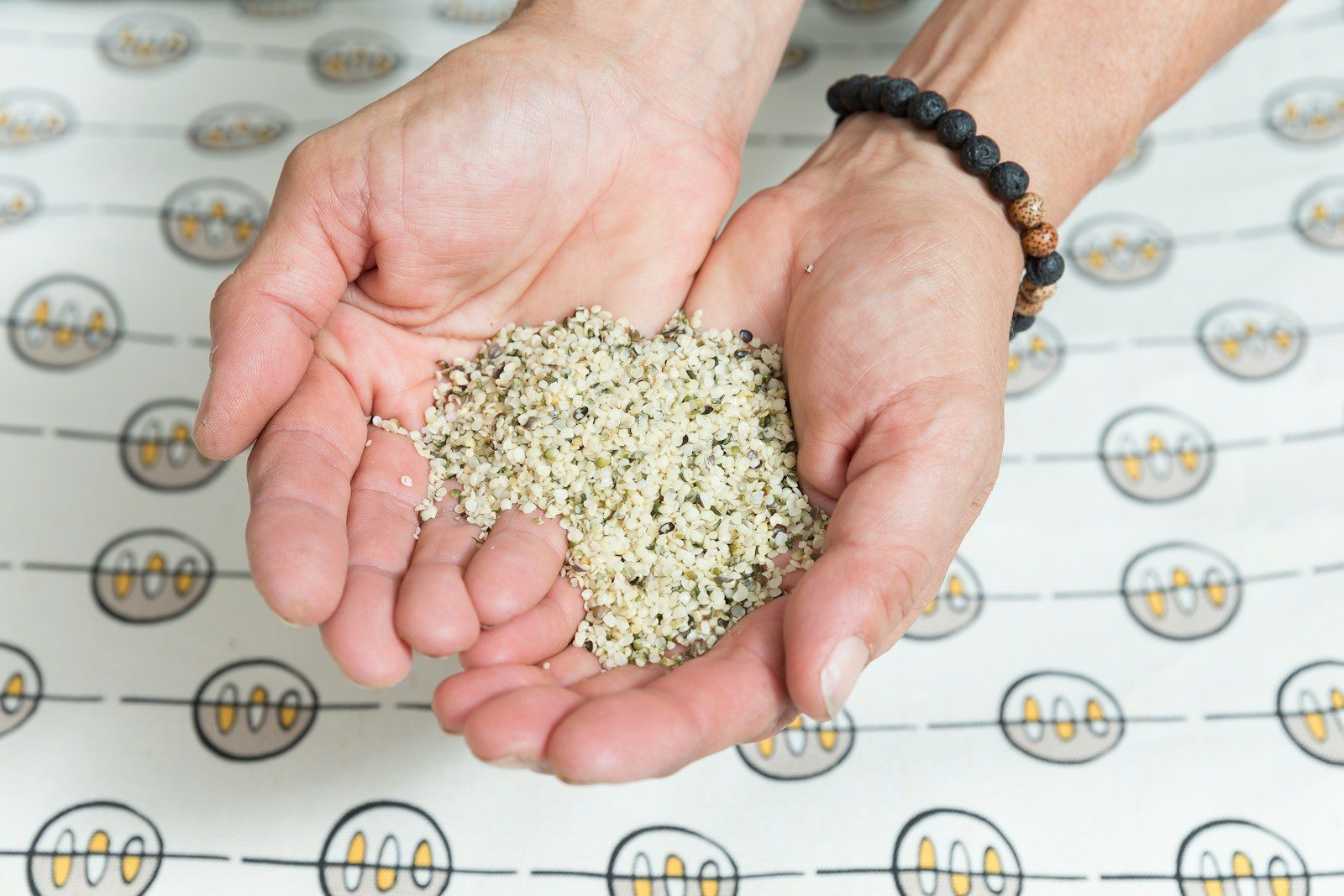
    • Hemp seed oil is cold-pressed from the seeds of the hemp plant. According to the FDA, hemp seeds don’t naturally contain THC, and the hemp seed ingredients it reviewed contained only trace amounts of THC and CBD picked up from other parts of the plant during harvesting. It’s a nutritious culinary oil, rich in polyunsaturated fats, and a popular skincare ingredient.
    • CBD oil is made by extracting cannabidiol (CBD) from the flowers and leaves of the hemp plant, then mixing that extract with a carrier oil such as MCT (coconut) oil, olive oil, or sometimes hemp seed oil.

    In other words, hemp seed oil can be an ingredient in a CBD product, but hemp seed oil on its own is not CBD.

    Why the labels are so confusing

    Part of the confusion is honest: “hemp oil” can mean different things to different people. But part of it is marketing. Some large online marketplaces have restricted CBD listings, so some sellers list hemp seed oil with vague, wellness-style claims and large milligram numbers. A label that says “50,000 mg hemp oil” usually means the bottle contains 50,000 mg of oil, not 50,000 mg of CBD.

    There’s nothing wrong with hemp seed oil itself. The problem is paying CBD prices, or expecting CBD effects, for a product that doesn’t contain meaningful CBD.

    How to tell what you’re buying

    1. Read the ingredient list

    If the only hemp ingredient is “hemp seed oil” or “Cannabis sativa seed oil,” it isn’t a CBD product. Real CBD products list ingredients like “hemp extract,” “cannabidiol (CBD),” “CBD isolate,” or “broad-spectrum hemp extract.”

    2. Look for a CBD amount in milligrams

    A CBD product should state how many milligrams of CBD are in the whole bottle and in each serving. Vague phrases like “hemp extract 20,000 mg” with no CBD figure are a red flag.

    3. Check the lab report

    Reputable CBD brands publish a Certificate of Analysis (COA) from an independent lab showing the CBD content for your batch. Hemp seed oil products usually don’t have a cannabinoid COA at all. New to lab reports? Read How to Read a CBD Lab Report in 2 Minutes.

    4. Sanity-check the price

    Quality CBD costs money to extract and test. If a bottle claims enormous potency for a very low price, it’s almost certainly hemp seed oil.

    Why we rated this “Strong”: The difference between hemp seed oil and CBD extract is well established. The FDA has publicly stated that hemp seeds don’t naturally contain THC and that the hemp seed ingredients it reviewed contained only trace cannabinoids. How we rate evidence

    Is hemp seed oil worth buying?

    Absolutely, for the right reasons. Hemp seed oil is a good source of polyunsaturated fats, including omega-6 and omega-3 fatty acids, and it has a mild, nutty flavor that works in salad dressings and drizzled over finished dishes. Because it’s delicate, it’s best not used for high-heat cooking. It’s also a common moisturizing ingredient in skincare. Just buy it as what it is: a seed oil, not a CBD supplement.

    What about the new hemp law?

    Under the federal hemp rules taking effect December 11, 2026, finished hemp products are limited to 0.4 milligrams of total THC per container. Hemp seed foods aren’t the main target of the new law, but CBD buyers should check THC on their lab reports. Read What December 11 Means for the CBD in Your Cabinet.

    Cleaner swaps to try

    We may earn a commission if you buy through links in our product picks. It never affects our ratings.

    • If you want CBD: a product that lists CBD in milligrams per serving, with a recent third-party COA for your batch.
    • If you want hemp seed oil for food: a cold-pressed, food-grade hemp seed oil, stored in a dark bottle and kept in the fridge after opening.
    • For skin: a simple hemp seed oil moisturizer without added fragrance.

    The bottom line

    Hemp seed oil and CBD oil are not the same thing. Hemp seed oil is a useful food and skincare oil with little to no CBD; CBD oil is an extract from the flowers and leaves. Read the ingredients, look for a CBD amount in milligrams, and check the lab report before you pay CBD prices. More guides in CBD & Botanicals.

    Want one evidence-checked story and three easy swaps every week? Subscribe to our free newsletter.

    Sources

    1. U.S. Food and Drug Administration. FDA Responds to Three GRAS Notices for Hemp Seed-Derived Ingredients for Use in Human Food. December 20, 2018.
    2. U.S. Food and Drug Administration. What You Need to Know About Products Containing Cannabis or Cannabis-Derived Compounds, Including CBD.
    3. Minnesota Department of Agriculture. Hemp-derived products including oil, flour, and seeds.
  • Synthetic Food Dyes: What’s Being Phased Out and How to Avoid Them

    Synthetic Food Dyes: What’s Being Phased Out and How to Avoid Them

    Evidence: Moderate

    Key takeaways

    • The FDA has asked food companies to voluntarily remove six petroleum-based dyes: Red 40, Yellow 5, Yellow 6, Blue 1, Blue 2 and Green 3. The target has slipped from the end of 2026 to the end of 2027.
    • Red 3 is the one dye that is formally banned in food, with a January 2027 deadline.
    • Research links some synthetic dyes to behavior changes in some children, but past FDA reviews haven’t confirmed a causal link.
    • You can avoid them today by reading ingredient lists and choosing products colored with plant-based sources.

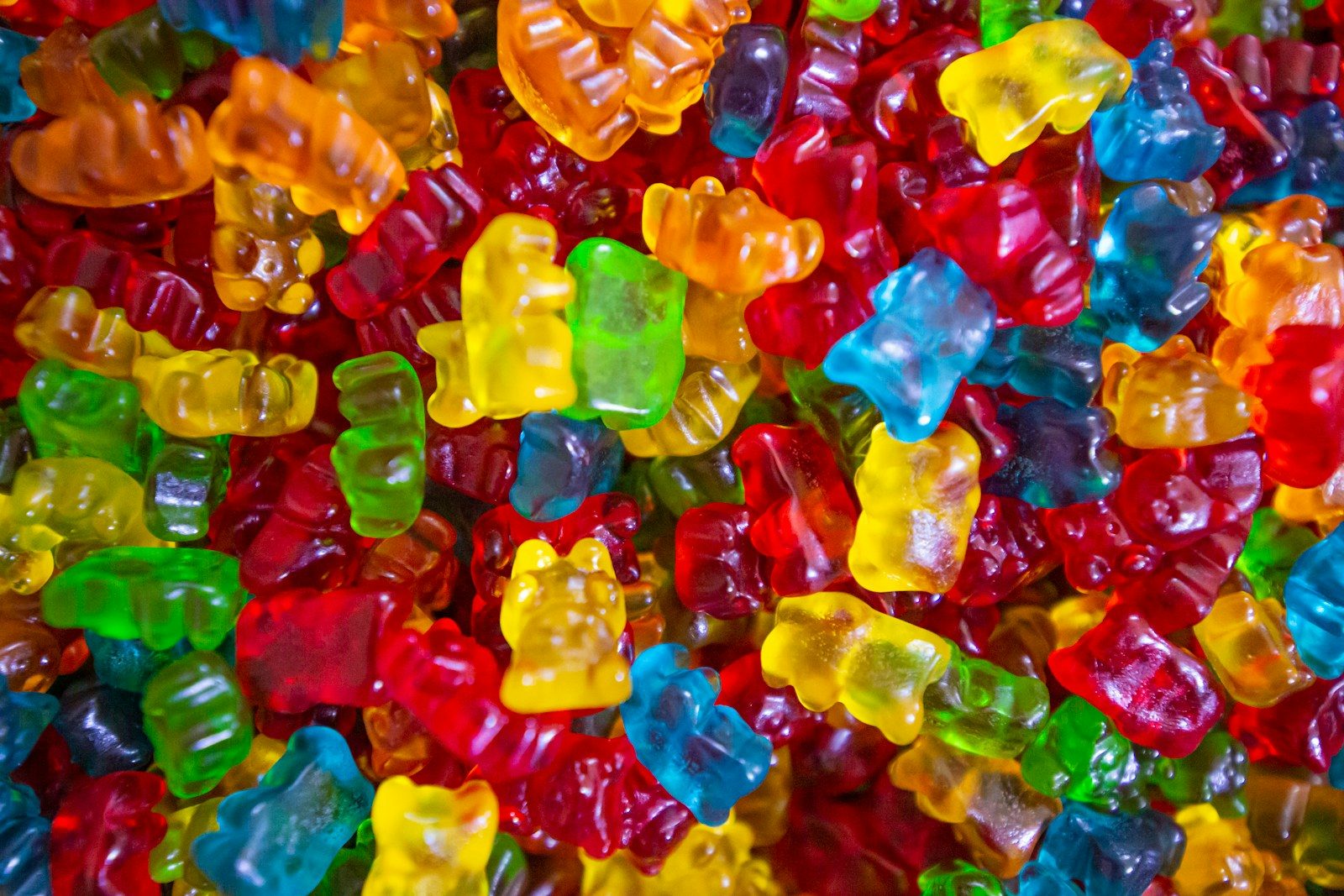
    Bright candies, sports drinks and cereals get their colors from synthetic food dyes, petroleum-based additives that have been used in American food for decades. In 2025, federal health officials announced a plan to phase them out. But “phase out” doesn’t mean what many people think, and most of these dyes are still in stores today.

    Here’s which dyes are affected, what the research actually shows, and how to avoid them now if you want to.

    Which food dyes are being phased out?

    In April 2025, the FDA and the Department of Health and Human Services announced a plan to remove petroleum-based synthetic dyes from the U.S. food supply. The plan has three parts:

    • Red 3 (erythrosine): formally banned. The FDA revoked its authorization in January 2025; food makers have until January 2027 to remove it.
    • Citrus Red 2 and Orange B: two rarely used dyes the FDA moved to revoke.
    • The “big six”: Red 40, Yellow 5, Yellow 6, Blue 1, Blue 2 and Green 3. These are the dyes you’ll see most often on labels.

    Is it a ban? Not exactly

    This is the part most headlines miss. For the big six, the FDA is asking companies to stop using them. It’s a voluntary phase-out, not a legal ban, and there are no penalties for companies that don’t comply. The original goal was the end of 2026, but the FDA’s own tracker now lists the end of 2027, as the Center for Responsible Food Business reports.

    Many companies have pledged to switch. According to Consumer Reports, Campbell’s says it will stop producing foods and drinks with FD&C colors in its 2026 fiscal year, and Mars says it will offer options without certified colors starting in 2026. Some retailers, such as Target for its cereal aisle, have already finished. Others are still in progress.

    What does the research say about food dyes?

    Concerns about synthetic dyes focus mostly on children. Some studies have linked certain dyes to hyperactivity or attention problems in some kids, and Red 3 was banned under a law that prohibits additives found to cause cancer in animals; it caused cancer in laboratory rats. However, past FDA reviews have not confirmed that the big six dyes cause behavior problems in children in general.

    Europe has taken a middle path. Since 2010, foods sold in the EU containing several of these dyes have carried warning labels, which led many companies to switch to colors from beets, turmeric and other plants.

    Why we rated this “Moderate”: The regulatory facts are well documented. The health evidence is mixed: some studies suggest behavioral effects in some children, but regulators haven’t confirmed a causal link for the big six dyes. That’s why we rate this Moderate rather than Strong. How we rate evidence

    How to spot synthetic dyes on a label

    Check the ingredient list for any of these names:

    • Red 40, Red No. 40, FD&C Red No. 40, or Allura Red
    • Yellow 5 (tartrazine) or Yellow 6 (sunset yellow)
    • Blue 1 (brilliant blue) or Blue 2 (indigo carmine)
    • Green 3 (fast green)
    • Red 3 (erythrosine)
    • “Lake” versions, such as “Red 40 Lake,” which are the same dyes in a different form

    Plant-based colorings are usually listed by their source, such as beet juice, turmeric, paprika extract, spirulina or annatto. Learn more ways to read labels in our Ingredient Decoder.

    Cleaner swaps to try

    We may earn a commission if you buy through links in our product picks. It never affects our ratings.

    • Instead of brightly colored sports drinks: water with citrus, or drinks colored with fruit or vegetable juice
    • Instead of dyed breakfast cereals: cereals colored with fruit and vegetable concentrates, or plain oats with fruit
    • Instead of dyed candy: brands that color with plant sources like beet, spirulina and turmeric
    • For baking: plant-based food coloring kits for frosting and decorating

    The bottom line

    Synthetic food dyes aren’t gone yet. Except for Red 3, they’re still legal, and the voluntary phase-out now runs through 2027. The evidence on health effects is mixed, but if you’d rather avoid them, especially for kids, it’s easy: read the ingredient list and choose products colored with plant sources. Find more cleaner options in Swaps and see related reading on ultra-processed foods.

    Want one evidence-checked story and three easy swaps every week? Subscribe to our free newsletter.

    Sources

    1. Consumer Reports. One Year Later: Are Synthetic Dyes Still in Our Food?. 2026.
    2. Center for Responsible Food Business. Are Food Dyes Being Banned in the U.S.?. 2026.
    3. New Food Magazine. FDA announces plan to phase out synthetic food dyes. 2025.
    4. Xtalks. FDA to Phase Out Petroleum-Based Food Dyes in Favor of Natural Alternatives. 2025.
  • “Fragrance” on the Label: What That One Word Can Hide

    “Fragrance” on the Label: What That One Word Can Hide

    Evidence: Moderate

    Key takeaways

    • In the U.S., companies can list dozens of scent ingredients under the single word “fragrance” or “parfum.”
    • Some fragrance ingredients are common skin allergens. The EU requires many of them to be named on labels; the U.S. doesn’t yet.
    • A 2022 law (MoCRA) requires the FDA to create fragrance-allergen labeling rules, but the rule is delayed and isn’t in effect.
    • If you have sensitive skin or allergies, “fragrance-free” products are the simplest way to avoid hidden scent ingredients.

    Flip over almost any lotion, shampoo, detergent or air freshener and you’ll see one word near the end of the ingredient list: fragrance. It looks like a single ingredient. It isn’t. That one word can stand in for a mix of many different scent chemicals, and in the U.S., companies generally don’t have to tell you which ones.

    Here’s what “fragrance” on a label can hide, why it matters for some people, and how to shop around it.

    What does “fragrance” mean on an ingredient list?

    Fragrance blends are often made from dozens of ingredients, natural and synthetic, combined into a scent. Under U.S. labeling rules, cosmetic companies can list the whole blend as “fragrance” or “parfum” instead of naming each component. According to the FDA, this is allowed because fragrance formulas are considered trade secrets.

    The same is true for many household products like detergents, cleaners and air fresheners, which often disclose even less.

    Why it matters: fragrance allergies

    For most people, fragrance is harmless. But fragrance ingredients are a well-known cause of allergic contact dermatitis, an itchy, red skin reaction. If you’re sensitive to one specific ingredient, “fragrance” on a label makes it impossible to know whether a product contains it.

    Europe handles this differently. The EU has required many specific fragrance allergens to be named on cosmetic labels for years, and is expanding that list. In the U.S., the 2022 Modernization of Cosmetics Regulation Act (MoCRA) told the FDA to write a similar rule. But the FDA missed its deadlines, and as of 2026 the fragrance-allergen labeling rule has not taken effect, as Foley & Lardner and other legal analysts note. Even when it does, companies will likely still be able to list non-allergen scent ingredients simply as “fragrance.”

    Why we rated this “Moderate”: It’s well established that fragrance ingredients can cause skin allergies in some people and that U.S. labels can group them under one word. What’s less settled is the long-term health impact of many individual fragrance chemicals, which varies by ingredient and is still being studied. How we rate evidence

    “Fragrance-free” vs. “unscented”

    These sound the same, but they aren’t:

    • Fragrance-free usually means no fragrance ingredients were added to give the product a scent.
    • Unscented can mean a product has no noticeable smell, which sometimes is achieved by adding masking fragrances to cover other odors.

    Neither term is strictly defined by U.S. law, so always check the ingredient list too. If you see “fragrance,” “parfum,” or “aroma” listed, the product contains a fragrance blend.

    Watch for “natural fragrance” and essential oils

    “Natural fragrance” and essential oils aren’t automatically gentler. Plant-based scents can also cause skin reactions, and several common fragrance allergens are naturally found in essential oils. If you react to scented products, natural ones may still be a problem.

    How to shop around hidden fragrance

    1. Start with products that touch your skin the longest: lotions, face creams, sunscreen and laundry detergent.
    2. Look for “fragrance-free” and confirm there’s no “fragrance,” “parfum” or “aroma” on the ingredient list.
    3. Skip air fresheners and plug-ins, or replace them with ventilation and simple options like an open window.
    4. Patch-test new products on a small area of skin for a few days if you have sensitive skin.
    5. Look for full ingredient disclosure. Some brands voluntarily list every fragrance ingredient on their websites.

    Need help decoding other label terms? Visit our Ingredient Decoder, or see our guide to parabens in skincare.

    Cleaner swaps to try

    We may earn a commission if you buy through links in our product picks. It never affects our ratings.

    • Instead of scented lotion: a fragrance-free moisturizer
    • Instead of scented detergent: a “free and clear” laundry detergent
    • Instead of plug-in air fresheners: fresh air, houseplants, or simmering citrus peels on the stove
    • Instead of scented candles daily: save them for occasions, and ventilate while they burn

    The bottom line

    “Fragrance” on a label is a single word that can hide many ingredients. For most people that’s not a problem, but if you have sensitive skin or fragrance allergies, it makes shopping a guessing game. Until U.S. allergen labeling rules take effect, choosing fragrance-free products is the simplest way to know what you’re putting on your skin. More cleaner options in Swaps.

    Want one evidence-checked story and three easy swaps every week? Subscribe to our free newsletter.

    Sources

    1. U.S. Food and Drug Administration. Fragrances in Cosmetics.
    2. Foley & Lardner. How MoCRA Is Reshaping FDA Oversight of Cosmetics in 2026. March 2026.
    3. EcoMundo. MoCRA Update 2026: What Cosmetic Companies Should Expect. 2026.
  • 10 Pantry Swaps That Cut Ultra-Processed Foods

    10 Pantry Swaps That Cut Ultra-Processed Foods

    Evidence: Strong

    Key takeaways

    • Large studies link diets high in ultra-processed foods to higher risk of heart disease, type 2 diabetes and other problems.
    • You don’t need a perfect diet. Swapping the foods you eat most often makes the biggest difference.
    • Most swaps below take less than five minutes and cost about the same or less.
    • Read ingredient lists: shorter lists with ingredients you recognize are a good sign.

    The biggest review of the research to date links diets high in ultra-processed foods to dozens of health problems. (Read our full breakdown of what that review found.) The good news: you don’t have to overhaul your kitchen. These ultra-processed food swaps target everyday pantry staples and take little time, money or effort.

    Why swapping works

    In a controlled NIH study, people ate about 500 more calories a day on an ultra-processed diet than on a minimally processed diet, even though the meals offered were matched for sugar, fat, fiber and salt. Small, repeated changes to what’s in your pantry make it easier to eat well without thinking about it.

    10 pantry swaps that cut ultra-processed foods

    1. Sweetened cereal → plain oats

    Many breakfast cereals are ultra-processed and high in added sugar. Plain rolled or steel-cut oats with fruit, cinnamon and a handful of nuts are filling and quick, especially if you make overnight oats.

    2. Soda and sweetened drinks → sparkling water

    Sugary drinks are among the most common ultra-processed foods. Sparkling water with a squeeze of lemon or lime, or unsweetened iced tea, keeps the fizz without the added sugar.

    3. Flavored chips → popcorn you pop yourself

    Plain popcorn kernels popped on the stove or in an air popper, with a little olive oil and salt, is a whole-grain snack with a one-ingredient label.

    4. Flavored yogurt cups → plain yogurt + fruit

    Flavored yogurts often contain added sugars, thickeners and flavorings. Plain yogurt topped with fresh or frozen fruit lets you control the sweetness.

    5. Packaged granola bars → nuts and fruit

    Many bars are ultra-processed. A small bag of unsalted nuts with a piece of fruit or a few dates is just as portable.

    6. Instant flavored rice and noodle packets → plain rice or pasta

    Flavor packets add sodium, flavor enhancers and additives. Cook plain rice or pasta and season with garlic, herbs, olive oil or a squeeze of lemon.

    7. Bottled salad dressing → homemade vinaigrette

    Three parts olive oil, one part vinegar or lemon juice, a pinch of salt and a little mustard. It takes one minute and keeps for a week.

    8. Processed deli meat → leftover roast chicken or beans

    Processed meats are among the most heavily studied ultra-processed foods. Sliced leftover chicken, hard-boiled eggs, or mashed beans make easy sandwich fillings.

    9. Sweetened nut butter → nuts-only nut butter

    Look for peanut or almond butter where the ingredient list is just nuts and maybe salt. Stir in the oil when you open it.

    10. Frozen ready meals → frozen vegetables + a simple protein

    Plain frozen vegetables are minimally processed and just as nutritious as fresh. Pair them with eggs, canned fish, beans or chicken for a 10-minute dinner.

    Why we rated this “Strong”: The link between ultra-processed diets and poor health outcomes comes from a large umbrella review in The BMJ and is supported by a controlled NIH trial. The individual swaps are practical applications of that evidence; their specific effects haven’t each been tested separately. How we rate evidence

    How to tell if a food is ultra-processed

    Check the ingredient list. Ultra-processed foods usually include ingredients you wouldn’t use at home, such as hydrogenated oils, modified starches, maltodextrin, “natural flavors,” emulsifiers, artificial sweeteners or colors. Our Ingredient Decoder explains the common ones, and our guide to hidden sugar names helps you spot added sugar.

    Cleaner swaps to try

    We may earn a commission if you buy through links in our product picks. It never affects our ratings.

    • A stovetop or air popcorn popper for a whole-grain snack
    • Glass jars for homemade dressings and overnight oats
    • Plain rolled oats, nuts and frozen fruit as pantry staples

    The bottom line

    You don’t need to cut out every packaged food. Pick the two or three ultra-processed foods you eat most often and swap them first. Small, consistent changes add up. Find more ideas in our Swaps section.

    Want one evidence-checked story and three easy swaps every week? Subscribe to our free newsletter.

    Sources

    1. Lane MM, et al. Ultra-processed food exposure and adverse health outcomes: umbrella review of epidemiological meta-analyses. BMJ. 2024.
    2. Hall KD, et al. Ultra-processed diets cause excess calorie intake and weight gain: an inpatient randomized controlled trial. Cell Metabolism. 2019.
    3. BMJ Group. Consistent evidence links ultra-processed food to over 30 damaging health outcomes. 2024.
  • How to Read a Supplement Label (and Spot Real Third-Party Testing)

    How to Read a Supplement Label (and Spot Real Third-Party Testing)

    Evidence: Strong

    Key takeaways

    • The FDA doesn’t approve dietary supplements before they’re sold. Manufacturers are responsible for their own quality.
    • A third-party seal such as USP Verified or NSF Certified means an independent organization checked that the product contains what its label says.
    • A seal checks quality, not whether a supplement works or is right for you.
    • Read the Supplement Facts panel for serving size, amounts and hidden “proprietary blends.”

    Supplement bottles are covered in promises: “clinically proven,” “pharmaceutical grade,” “doctor formulated.” Most of those phrases don’t mean much. Knowing how to read a supplement label helps you see what’s actually inside and whether anyone outside the company checked.

    First, know this: supplements aren’t FDA-approved

    In the U.S., dietary supplements are regulated more like food than like medicine. The FDA does not approve supplements for safety or effectiveness before they reach store shelves. Companies are responsible for making sure their products are safe and accurately labeled, and the FDA can act after problems are found. As the U.S. Department of Defense’s Operation Supplement Safety puts it, the only way to know a product’s actual ingredients and amounts is through laboratory testing.

    How to read the Supplement Facts panel

    Serving size

    All the amounts listed are per serving. If a serving is three capsules and you take one, you’re getting a third of the listed amount.

    Amount per serving and % Daily Value

    This shows how much of each ingredient you get per serving and, for nutrients with established values, what percentage of the Daily Value that is. Very high percentages, like 1,000% or more, aren’t automatically better and can sometimes be a reason to check with your doctor.

    The form of each ingredient

    Labels often name the specific form, such as “magnesium glycinate” or “vitamin D3 (cholecalciferol).” Different forms can be absorbed differently, so if a form matters to you, check that it’s listed.

    “Proprietary blends”

    A proprietary blend lists the total weight of a group of ingredients but not how much of each one is included. That can make it impossible to know whether you’re getting a meaningful amount of the ingredient you care about.

    Other ingredients

    Below the panel you’ll find fillers, capsule materials, colors, sweeteners and flavors. If you’re avoiding things like synthetic dyes, check here. See our guide to synthetic food dyes.

    What third-party seals actually mean

    Because the FDA doesn’t test supplements before sale, independent organizations offer certification programs. The most widely recognized are:

    • USP Verified (U.S. Pharmacopeia): checks that the product contains the listed ingredients in the declared amounts, doesn’t contain harmful levels of specified contaminants, and is made using good manufacturing practices.
    • NSF Certified (NSF International): tests that label claims match contents and screens for contaminants, with facility audits. NSF Certified for Sport also screens for substances banned in sports.
    • ConsumerLab (CL) seal: an independent testing company that buys and tests products.

    Some products display logos they haven’t earned, so you can confirm certification on the USP or NSF websites.

    Why we rated this “Strong”: The regulatory facts come directly from the FDA and the Department of Defense’s supplement safety program, and the certification details come from the programs’ published standards. Remember that a quality seal says nothing about whether a supplement is effective. How we rate evidence

    Red flags on supplement labels

    • Disease claims such as “cures,” “treats” or “prevents” a disease. Supplements aren’t allowed to make them.
    • Proprietary blends for the key ingredients you’re paying for
    • Extreme doses far above the Daily Value without a clear reason
    • Unverifiable seals or vague terms like “lab tested” with no named lab
    • Products marketed for weight loss, muscle building or sexual enhancement, categories where hidden drug ingredients have been found

    Notice that supplements can make “structure/function” claims like “supports bone health.” Those must carry a disclaimer that the FDA hasn’t evaluated the statement.

    Cleaner swaps to try

    We may earn a commission if you buy through links in our product picks. It never affects our ratings.

    • Look for: USP Verified or NSF Certified products in the category you need
    • Prefer: labels that list exact amounts of every active ingredient
    • Ask: your pharmacist to check a new supplement against your medications

    The bottom line

    Supplements aren’t checked by the FDA before you buy them, so the label and a legitimate third-party seal are your best tools. Read the serving size and amounts, avoid proprietary blends for key ingredients, look for USP or NSF certification, and talk to your doctor or pharmacist before starting something new. The same habits apply to CBD: see how to read a CBD lab report.

    Want one evidence-checked story and three easy swaps every week? Subscribe to our free newsletter.

    Sources

    1. U.S. Food and Drug Administration. Dietary Supplements.
    2. Operation Supplement Safety (U.S. Department of Defense). Why Is Third-Party Certification Important for Dietary Supplements?.
    3. U.S. Pharmacopeia. USP Verified Dietary Supplements.
    4. NSF. Dietary Supplement Certification program.
  • Seed Oils: What the Evidence Actually Says

    Seed Oils: What the Evidence Actually Says

    Evidence: Moderate

    Key takeaways

    • “Seed oils” like canola, soybean, corn and sunflower oil are high in an omega-6 fat called linoleic acid.
    • Major health organizations, including the American Heart Association, say there’s no evidence to avoid them, and replacing saturated fat with these oils is linked to better heart health.
    • The claim that seed oils cause inflammation hasn’t held up well in human studies.
    • The bigger issue is often the foods seed oils show up in: fried and ultra-processed foods.

    Seed oils have become one of the most argued-about topics in nutrition. Social media posts call them toxic and inflammatory; many nutrition scientists say they’re fine or even good for you. Since we’re all about cleaner choices backed by evidence, we looked at what the research actually says about whether seed oils are bad for you.

    What are seed oils?

    “Seed oils” usually refers to oils pressed or extracted from seeds, such as canola (rapeseed), soybean, corn, sunflower, safflower, cottonseed and grapeseed oil. They’re high in polyunsaturated fats, especially linoleic acid, an omega-6 fat. Linoleic acid is an essential fatty acid, meaning your body needs it from food.

    The case against seed oils

    Critics raise three main concerns:

    • Inflammation: linoleic acid can be converted into arachidonic acid, which is involved in inflammatory processes, so some argue more omega-6 means more inflammation.
    • Processing: many seed oils are refined with heat and chemical solvents.
    • Oxidation: polyunsaturated fats are less stable at high heat, especially when oil is reused for frying.

    What the evidence shows

    On heart health, the evidence leans clearly in favor of seed oils when they replace saturated fats like butter or lard. The American Heart Association says there’s no reason to avoid seed oils and plenty of reasons to eat them. A 2024 narrative review for health professionals concluded that epidemiological and clinical trial evidence indicates omega-6 fat intake is protective for the heart.

    On inflammation, the theory hasn’t held up well in people. Controlled trials in which adults ate more linoleic acid generally haven’t found increases in blood markers of inflammation. The Academy of Nutrition and Dietetics notes that only a small percentage of linoleic acid is converted to arachidonic acid, and that higher omega-6 intake is associated with better cardiovascular health.

    That said, not every question is closed. Some researchers still argue for more study of heavily processed and repeatedly heated oils, and much of the evidence comes from observational studies.

    Why we rated this “Moderate”: Major health organizations and many reviews support seed oils as a replacement for saturated fat, including evidence from clinical trials. We rate it Moderate rather than Strong because some debate continues about processing and high-heat use, and some of the newest reviews were funded by industry groups. How we rate evidence

    So why do seed oils have a bad reputation?

    Part of the answer is where people eat them. Seed oils are used heavily in fried foods, fast food and packaged snacks, which are linked to poor health for many reasons, including excess calories, refined carbohydrates and salt. Cutting back on those foods is a good idea. But the evidence points to the ultra-processed food as the problem more than the oil itself. Read what the biggest review found about ultra-processed foods.

    Practical takeaways

    • Don’t fear the bottle of canola oil. Using it instead of butter or lard is generally the heart-friendlier choice.
    • Rotate your oils. Extra virgin olive oil has strong evidence behind it and works for most home cooking.
    • Limit deep-fried and ultra-processed foods, which is where most people get the most seed oil.
    • Don’t reuse frying oil over and over, and store oils away from heat and light.

    Cleaner swaps to try

    We may earn a commission if you buy through links in our product picks. It never affects our ratings.

    • Everyday cooking: extra virgin olive oil
    • High-heat cooking: avocado oil or a refined high-oleic oil
    • Baking: canola oil, or olive oil in recipes where the flavor works

    The bottom line

    The evidence doesn’t support the idea that seed oils are toxic. Most major health organizations consider them a healthy replacement for saturated fat. The real win is cutting back on fried and ultra-processed foods, and cooking more at home with whichever oils you prefer. See easy ideas in 10 Pantry Swaps That Cut Ultra-Processed Foods.

    Want one evidence-checked story and three easy swaps every week? Subscribe to our free newsletter.

    Sources

    1. American Heart Association News. There’s no reason to avoid seed oils, and plenty of reasons to eat them. August 20, 2024.
    2. Academy of Nutrition and Dietetics. Nutrition Fact Check: Seed Oils.
    3. Narrative review of vegetable oils high in unsaturated fats and chronic disease risk. PubMed Central, 2024.
    4. AARP. Are Seed Oils Actually Bad for You?.
  • Parabens in Skincare: Should You Avoid Them?

    Parabens in Skincare: Should You Avoid Them?

    Evidence: Moderate

    Key takeaways

    • Parabens are preservatives that keep cosmetics from growing bacteria and mold.
    • The FDA says it doesn’t have information showing parabens, as used in cosmetics, affect human health.
    • The EU has banned five less-studied parabens and limits others; some U.S. states have added their own restrictions.
    • Concerns center on weak hormone-like activity. If you’d rather avoid them, “paraben-free” products are easy to find, but check what preservative replaces them.

    “Paraben-free” is one of the most common claims in skincare. But are parabens in skincare actually harmful, or is the label more marketing than science? The honest answer sits somewhere in between.

    What are parabens?

    Parabens are a family of preservatives, including methylparaben, ethylparaben, propylparaben and butylparaben, used in lotions, shampoos, makeup and many other products. Preservatives matter: water-based products without them can grow bacteria and mold, which can cause real skin infections and irritation.

    Why are people worried about parabens?

    Parabens can act like very weak estrogen in laboratory studies, which raised concern that they might disrupt hormones. They’re also absorbed into the body: biomonitoring studies have found parabens in most people tested. And some longer-chain parabens, such as propylparaben and butylparaben, show stronger hormone-like activity than shorter ones.

    What do regulators say?

    Regulators have reached somewhat different conclusions:

    • United States: The FDA says it does not have information showing that parabens, as they are used in cosmetics, have an effect on human health. There are no specific federal limits on parabens in cosmetics.
    • European Union: The EU banned five parabens (isopropyl-, isobutyl-, phenyl-, benzyl- and pentylparaben) because there wasn’t enough safety data, and it limits propylparaben and butylparaben to low concentrations, according to regulatory summaries. EU scientists consider methyl- and ethylparaben safe at current limits.
    • U.S. states: Several states, including California and Washington, have passed laws restricting certain parabens in cosmetics, as this regulatory tracker summarizes.

    Why we rated this “Moderate”: Regulatory safety reviews in the U.S. and EU generally conclude that the common parabens are safe at permitted levels, but questions about hormone-like effects of some longer-chain parabens have led to restrictions in Europe and some states. Research is ongoing, so we rate the evidence Moderate. How we rate evidence

    Should you avoid parabens?

    For most people, parabens at the levels allowed in cosmetics are not considered a proven health risk. That said, avoiding them is a reasonable personal choice, especially for products you use daily and leave on your skin, or for products used on babies and young children, where Europe has been more cautious.

    If you go paraben-free, check the replacement

    Products still need a preservative. Common replacements include phenoxyethanol, sodium benzoate and potassium sorbate. Some alternative preservatives are more likely to cause skin allergies than parabens, so “paraben-free” isn’t automatically gentler. If you have sensitive skin, look at the whole ingredient list, and consider fragrance too: see what “fragrance” on a label can hide.

    How to spot parabens on a label

    Look for any ingredient ending in “-paraben”: methylparaben, ethylparaben, propylparaben, butylparaben, isobutylparaben and so on. They’re usually near the end of the ingredient list because they’re used in small amounts.

    Cleaner swaps to try

    We may earn a commission if you buy through links in our product picks. It never affects our ratings.

    • Everyday moisturizer: a fragrance-free, paraben-free lotion with a short ingredient list
    • For babies: simple, fragrance-free products made for sensitive skin
    • Anhydrous options: balms and oils without water often need little or no preservative

    The bottom line

    The common parabens are considered safe at permitted levels by U.S. and EU regulators, but some hormone-related questions have led to tighter rules in Europe and several states. Avoiding parabens is a reasonable choice, just don’t assume “paraben-free” means safer: check what preservative replaces them. See more in our Avoid List and Ingredient Decoder.

    Want one evidence-checked story and three easy swaps every week? Subscribe to our free newsletter.

    Sources

    1. U.S. Food and Drug Administration. Parabens in Cosmetics.
    2. Cosmeservice. Parabens in Cosmetics: Safety and Updated Rules. 2025.
    3. PolicyCanary. Parabens: FDA Status, State Bans and Global Restrictions. 2026.
    4. The Week. Beauty product ingredients banned in the EU but legal in the US.
  • Cleaner Home-Cleaning Swaps That Actually Work

    Cleaner Home-Cleaning Swaps That Actually Work

    Evidence: Moderate

    Key takeaways

    • Many cleaning products release fumes that can irritate the lungs, especially in small or poorly ventilated spaces.
    • Simple ingredients like soap, baking soda and vinegar handle most everyday cleaning.
    • Never mix bleach with vinegar or ammonia. It creates toxic gases.
    • When you buy cleaners, the EPA’s Safer Choice label is a useful shortcut.

    You don’t need a cabinet full of harsh sprays to keep a clean home. Many everyday jobs can be handled with a few simple ingredients, and switching to non-toxic cleaning options can cut down on fumes and fragrance in the air you breathe. Here’s what works, what doesn’t, and the one safety rule everyone should know.

    Why switch to cleaner cleaning products?

    According to the American Lung Association, many cleaning products can release chemicals that irritate the eyes, nose and throat, and some can worsen asthma. Fragranced products and aerosol sprays add to indoor air pollution. Using simpler products and ventilating while you clean reduces your exposure.

    The cleaner cleaning toolkit

    • Liquid castile soap or mild dish soap: lifts grease and dirt from most surfaces
    • Baking soda: a gentle scrub for sinks, tubs and stovetops, and a deodorizer
    • White vinegar: cuts mineral buildup and soap scum; good for glass
    • Microfiber cloths: trap dust and grime with just water
    • A spray bottle and a scrub brush

    Simple swaps that actually work

    All-purpose cleaner

    Mix warm water with a small squirt of dish soap or castile soap in a spray bottle. It handles counters, tables and most sealed surfaces.

    Glass and mirrors

    Equal parts white vinegar and water, wiped with a microfiber cloth, leaves fewer streaks than many commercial sprays.

    Sinks, tubs and stovetops

    Sprinkle baking soda, scrub with a damp brush or sponge, then rinse. For stubborn spots, make a paste with a little water and let it sit.

    Shower soap scum and hard-water spots

    Spray undiluted vinegar, let it sit for 10 to 15 minutes, then scrub and rinse.

    Air freshening

    Open windows, run the exhaust fan, and use baking soda in the fridge and trash. Skip plug-ins and aerosol fresheners. See what “fragrance” on a label can hide.

    What simple cleaners can’t do

    Vinegar and baking soda are great cleaners, but they aren’t registered disinfectants. When you need to kill germs, such as after handling raw meat or when someone in the house is sick, use a product registered as a disinfectant and follow the label’s directions, including how long the surface must stay wet. Vinegar also shouldn’t be used on natural stone like granite or marble, because its acid can damage the finish.

    The safety rule: never mix these

    • Bleach + vinegar (or other acids): releases chlorine gas
    • Bleach + ammonia: releases toxic chloramine gases
    • Different drain cleaners with each other

    Store cleaners in their original containers, keep them away from children and pets, and ventilate whenever you clean.

    Why we rated this “Moderate”: Respiratory irritation from cleaning chemicals and the dangers of mixing bleach are well documented. The benefits of switching to simpler products for the average healthy household are reasonable but less directly measured, so we rate this Moderate. How we rate evidence

    Buying cleaners? Look for Safer Choice

    If you’d rather buy ready-made products, the EPA’s Safer Choice program certifies products whose ingredients meet the agency’s safety criteria. Look for the Safer Choice label, and choose fragrance-free versions when available.

    Cleaner swaps to try

    We may earn a commission if you buy through links in our product picks. It never affects our ratings.

    • Microfiber cloth set: cleans most surfaces with just water
    • Unscented castile soap: the base for most DIY cleaners
    • Safer Choice-certified, fragrance-free cleaners for when you want ready-made
    • Glass spray bottles for homemade mixes

    The bottom line

    Soap, baking soda, vinegar and a microfiber cloth handle most household cleaning, with fewer fumes and less fragrance. Use a registered disinfectant when you truly need to kill germs, never mix bleach with acids or ammonia, and look for the Safer Choice label when you buy. More cleaner ideas in Swaps.

    Want one evidence-checked story and three easy swaps every week? Subscribe to our free newsletter.

    Sources

    1. American Lung Association. Cleaning Supplies and Household Chemicals.
    2. U.S. Environmental Protection Agency. Safer Choice.