Evidence: Strong
Key takeaways
- For most people and most activities, water is the best way to stay hydrated.
- The American Academy of Pediatrics says water should be the main source of hydration for children and teens.
- Sports drinks are designed for prolonged, vigorous exercise or heavy sweating, not everyday sipping.
- Many sports drinks add sugar, sodium and sometimes synthetic dyes.
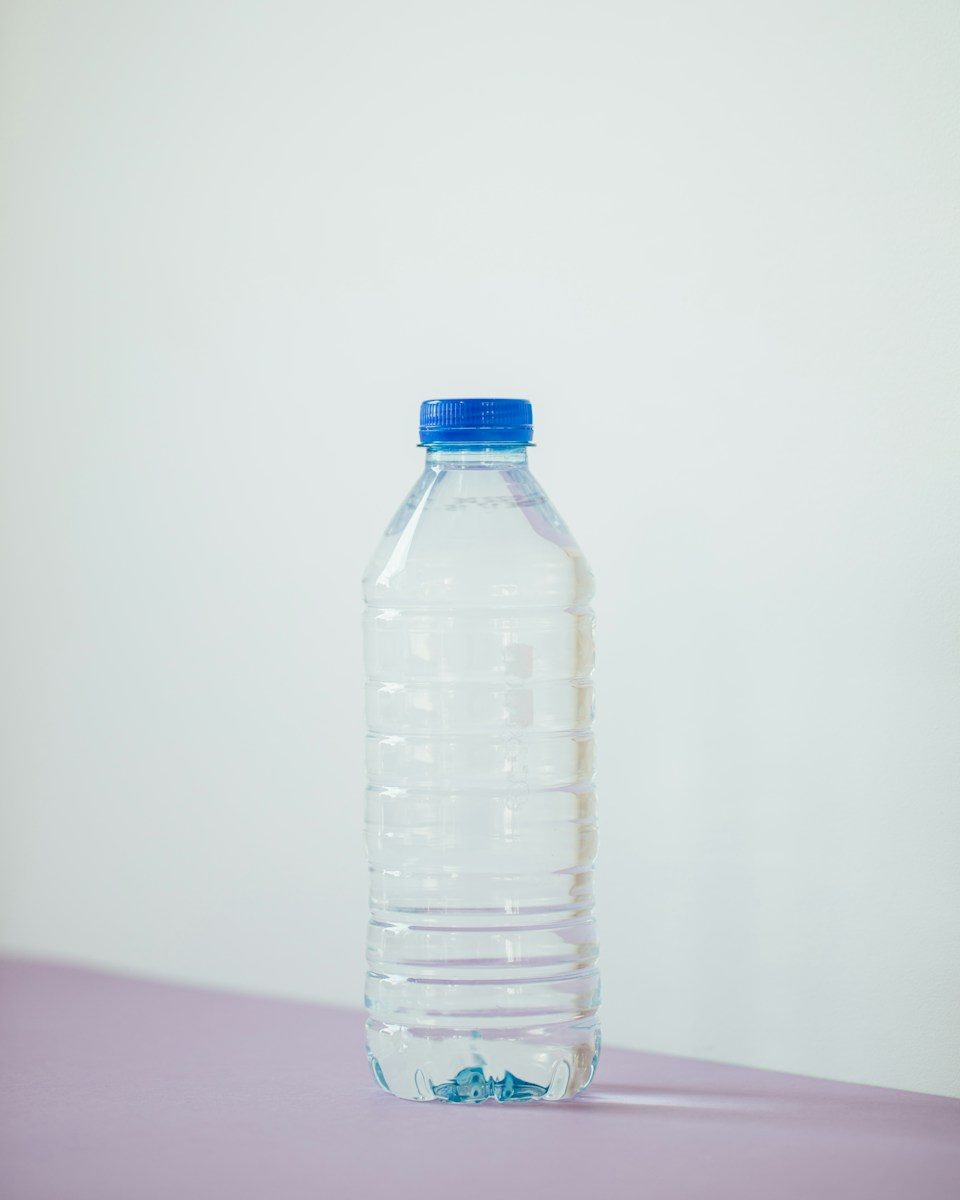
Sports drinks are marketed as the smart choice for staying hydrated. But for everyday life, a gym session or a kids’ soccer practice, do you really need one? Here’s what the evidence says about water vs. sports drinks.
What sports drinks are actually for
Sports drinks contain water, carbohydrates (sugar) and electrolytes like sodium and potassium. They were designed to help athletes replace fluids, electrolytes and energy during long, intense exercise. In a 2011 clinical report, the American Academy of Pediatrics concluded that water, not sports drinks, should be the principal source of hydration for children and adolescents, and that sports drinks have a limited role for young athletes during prolonged, vigorous activity.
Why we rated this “Strong”: This guidance comes from major medical and scientific bodies and reflects a broad consensus on hydration for everyday activity. How we rate evidence
How much water do you need?
Needs vary with age, body size, activity and climate. The National Academies set general adequate intakes for total water from all beverages and foods, and note that most healthy people meet their needs by letting thirst guide them and drinking with meals.
When a sports drink might make sense
- Prolonged, vigorous exercise, roughly an hour or more
- Heavy sweating in hot, humid weather
- Endurance events like long runs, rides or tournaments
For most workouts under an hour, water is enough.
What to watch for
- Added sugar: a full bottle can contain a lot. See hidden sugar names on labels.
- Synthetic dyes: many brightly colored drinks contain Red 40 or Blue 1. See dye-free swaps for kids.
- Energy drinks are different from sports drinks and often contain caffeine and other stimulants. The AAP advises against them for children and teens.
Cleaner swaps to try
We may earn a commission if you buy through links in our product picks. It never affects our ratings.
- Reusable insulated water bottle
- Water with fresh fruit or cucumber slices for flavor
- Dye-free, lower-sugar electrolyte drinks for long, sweaty sessions
The bottom line
Water is the best everyday drink for hydration. Save sports drinks for long, intense or very sweaty activity, and choose dye-free, lower-sugar options when you do. More in Wellness Tips.
Want one evidence-checked story and three easy swaps every week? Subscribe to our free newsletter.
Sources
- Committee on Nutrition and the Council on Sports Medicine and Fitness. Sports Drinks and Energy Drinks for Children and Adolescents: Are They Appropriate? Pediatrics. 2011;127(6):1182-1189.
- National Academies of Sciences, Engineering, and Medicine. Dietary Reference Intakes for Water, Potassium, Sodium, Chloride, and Sulfate. 2005.