Evidence: Early
Key takeaways
- Microplastics are tiny plastic pieces less than 5 millimeters across; nanoplastics are even smaller. They’ve been found in food, water, air and human tissue.
- The FDA says current evidence does not show that levels found in food pose a health risk, but scientists say major research gaps remain.
- Some studies link microplastics to health concerns, but they show associations, not proof that microplastics cause harm.
- Simple habits, like not heating food in plastic, can cut your exposure without much effort.
Microplastics have gone from an ocean problem to a dinner-table question. Researchers have found these tiny plastic particles in seafood, salt, bottled water and even human organs. Here’s what we actually know about microplastics in food and water, and practical ways to cut your exposure without panic.
What are microplastics?
Microplastics are plastic fragments smaller than 5 millimeters, about the size of a sesame seed or smaller. Nanoplastics are far tinier, too small to see even with a regular microscope. They come from larger plastics breaking down, synthetic fabrics shedding fibers, tire wear and everyday packaging.
Where microplastics show up
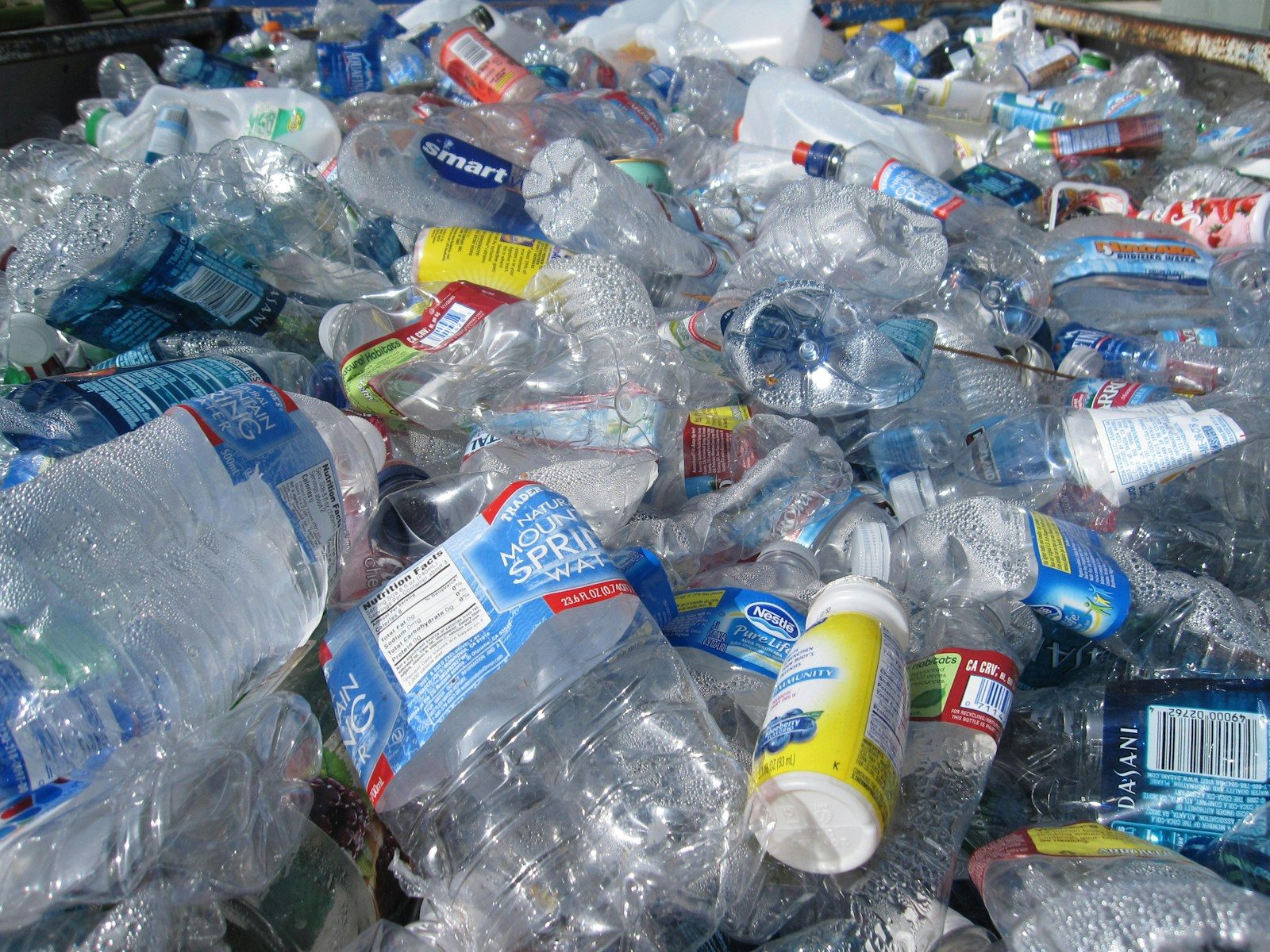
- Bottled water and, to a lesser extent, tap water
- Seafood, especially shellfish eaten whole
- Salt, tea bags and food packaging
- Food heated in plastic containers
- Household air and dust, including fibers from synthetic carpets and clothing
What the research says so far
The FDA says some evidence suggests microplastics are entering the food supply mainly through the environment, but current evidence does not show that the levels detected in foods pose a risk to human health. It also notes large research gaps, including the lack of standard ways to measure these particles.
Other research has raised concerns. A 2024 study in the New England Journal of Medicine found that people who had microplastics in the plaque in their neck arteries had a higher risk of heart attack, stroke or death over about three years. As PolitiFact reported in 2026, researchers have also found rising levels of microplastics in human tissue over time. But scientists stress that these studies show associations. They can’t yet say how microplastics affect health, or at what dose.
Why we rated this “Early”: Microplastics are clearly widespread and present in people, but human health research is new, measurement methods vary, and most studies can’t show cause and effect. How we rate evidence
Practical ways to cut your exposure
- Don’t heat food in plastic. Microwave in glass or ceramic, and let hot food cool before storing it in plastic.
- Drink filtered tap water instead of bottled when you can. See which water filter certifications matter.
- Swap plastic food storage for glass or stainless steel, especially for hot or fatty foods.
- Replace worn plastic cutting boards and scratched containers.
- Vacuum and dust regularly with a HEPA vacuum to reduce fibers in household dust.
- Eat more fresh, less packaged food, which also cuts other plastic chemicals. See phthalates in everyday products.
Cleaner swaps to try
We may earn a commission if you buy through links in our product picks. It never affects our ratings.
- Glass meal-prep containers with lids
- Stainless steel or glass water bottle
- Wood or bamboo cutting board
- Loose-leaf tea and a stainless steel infuser
Related reading
The bottom line
Microplastics are everywhere, and the science on their health effects is still early. You don’t need to panic, but a few low-effort habits, like keeping plastic away from heat and drinking filtered tap water, reduce your exposure. More in our Avoid List and PFAS guide.
Want one evidence-checked story and three easy swaps every week? Subscribe to our free newsletter.
Sources
- U.S. Food and Drug Administration. Microplastics and Nanoplastics in Foods.
- Marfella R, et al. Microplastics and Nanoplastics in Atheromas and Cardiovascular Events. N Engl J Med. 2024;390:900-910.
- PolitiFact. What we know about microplastics, nanoplastics and human health. April 2026.