Evidence: Moderate
Key takeaways
- In 2023 the World Health Organization advised against using non-sugar sweeteners to control body weight or lower the risk of chronic disease.
- The same year, WHO’s cancer agency labeled aspartame “possibly carcinogenic” (Group 2B), while WHO’s food additive experts kept its acceptable daily intake unchanged.
- A 2023 study linked higher blood levels of erythritol, a popular sugar alcohol, with heart attack and stroke risk. It shows an association, not proof of harm.
- The cleanest option is to slowly retrain your taste for less sweetness overall.
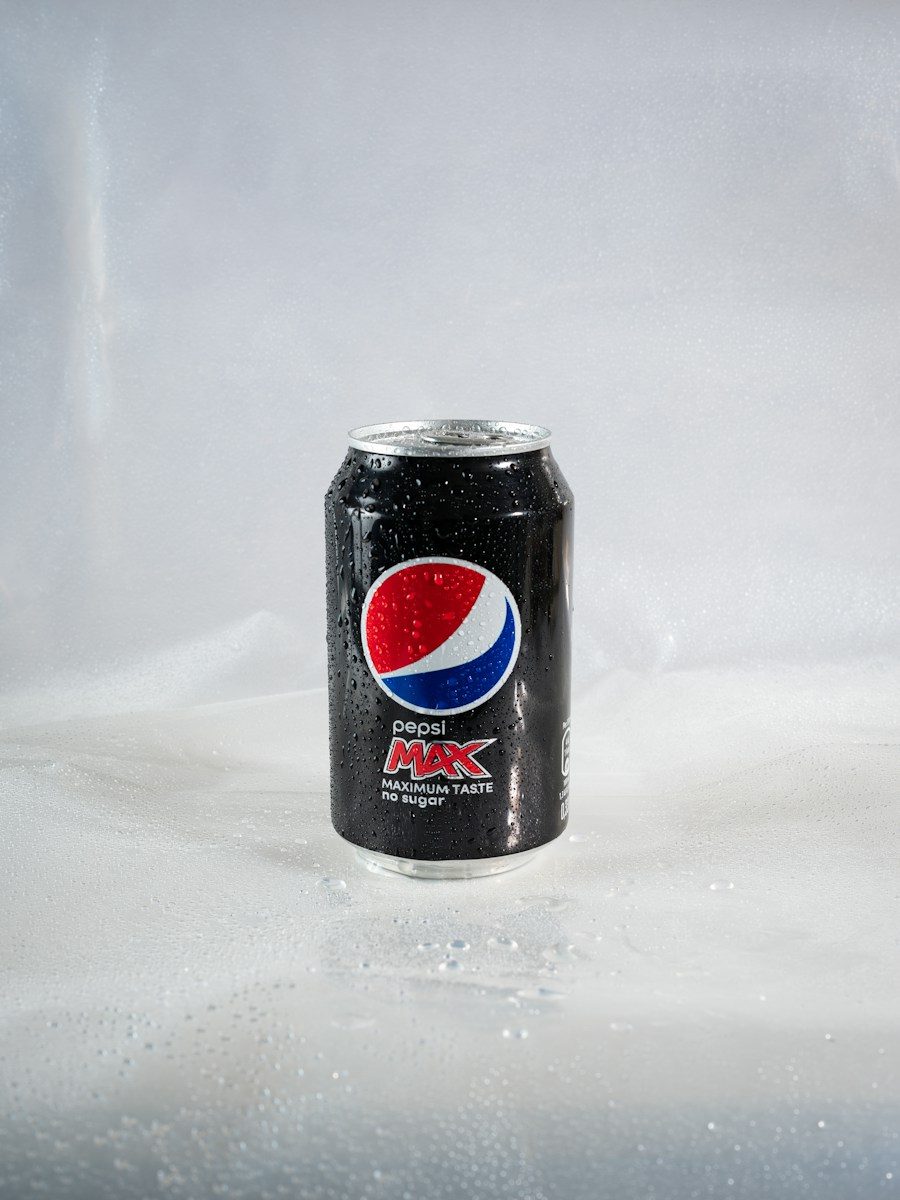
Diet sodas, “keto” snacks and sugar-free gum all rely on sugar substitutes. But artificial sweeteners have had a rough few years in the headlines. Here’s what the research actually says now, what it doesn’t, and how to make choices you feel good about.
What counts as an artificial sweetener?
“Non-sugar sweeteners” is the umbrella term researchers use. It includes synthetic sweeteners such as aspartame, sucralose, acesulfame potassium (Ace-K) and saccharin, plus plant-derived options like stevia and monk fruit. Sugar alcohols such as erythritol, xylitol and sorbitol are a separate group. They contain some calories and are often blended with other sweeteners in “zero sugar” products.
All of these are allowed in U.S. foods. The FDA considers the approved sweeteners safe at typical intake levels. Safety reviews, though, are separate from the question of whether sweeteners actually help your health.
Artificial sweeteners and weight: what WHO found
In 2023 the World Health Organization released a guideline recommending against using non-sugar sweeteners to control body weight or reduce the risk of noncommunicable diseases. As Harvard’s Nutrition Source explains, WHO’s review found that swapping sugar for sweeteners did not lead to long-term weight loss in adults or children, even though short-term trials showed people took in fewer calories. WHO called its recommendation “conditional” because much of the long-term evidence comes from observational studies, which can’t prove cause and effect. The guideline didn’t cover sugar alcohols.
Is aspartame safe?
Also in 2023, WHO’s International Agency for Research on Cancer (IARC) classified aspartame as “possibly carcinogenic to humans” (Group 2B), based on limited evidence. At the same time, WHO and FAO’s expert committee on food additives (JECFA) reviewed the evidence and kept the acceptable daily intake at 40 mg per kilogram of body weight. The FDA said it disagreed with IARC’s conclusion. In plain terms: the hazard evidence is limited, and typical intake is well below the established limit. People with the rare genetic disorder phenylketonuria (PKU) must avoid aspartame.
What about erythritol?
A 2023 study in Nature Medicine, summarized by the National Institutes of Health, found that people with the highest blood levels of erythritol were about twice as likely to have a heart attack, stroke or death over three years as those with the lowest. Lab experiments suggested erythritol may make blood platelets more likely to clot. The study was observational and mostly involved people already at higher heart risk, so it can’t prove erythritol causes harm, and the researchers called for long-term safety studies.
Why we rated this “Moderate”: Major health bodies have reviewed sweeteners in depth, but most long-term human data are observational. Regulators still consider approved sweeteners safe at typical intakes, while open questions remain about long-term effects. How we rate evidence
How to cut back on sweetness
- Read the label. Look for sweetener names in the ingredient list, not just “sugar-free” on the front. See how to read a food label.
- Step down gradually. Mix sweetened and unsweetened versions of yogurt, cereal or drinks, then shift the ratio over a few weeks.
- Drink water first. Sparkling water with citrus or berries is a simple swap for diet soda. See water vs. sports drinks.
- Use whole-food sweetness. Mashed banana, dates, cinnamon and vanilla add flavor without a sweetener packet.
- Watch total added sugar too, since the goal is less sweetness overall. Check hidden sugar names.
Cleaner swaps to try
We may earn a commission if you buy through links in our product picks. It never affects our ratings.
- Unsweetened sparkling water with real fruit
- Plain yogurt topped with fresh berries
- Pure vanilla extract and cinnamon for coffee and oatmeal
- Unsweetened tea, hot or iced
Related reading
The bottom line
Artificial sweeteners aren’t the health shortcut they were marketed as, and WHO advises against relying on them for weight control. Approved sweeteners are considered safe at typical intakes, but the cleanest long-term move is to need less sweetness overall. More in Food.
Want one evidence-checked story and three easy swaps every week? Subscribe to our free newsletter.
Sources
- World Health Organization. Use of non-sugar sweeteners: WHO guideline. 2023.
- Harvard T.H. Chan School of Public Health, The Nutrition Source. Unpacking WHO guidelines on non-sugar sweeteners. 2023.
- National Institutes of Health. Erythritol and cardiovascular events. March 14, 2023.
- Witkowski M, et al. The artificial sweetener erythritol and cardiovascular event risk. Nature Medicine. 2023;29:710-718.
- U.S. Food and Drug Administration. Aspartame and Other Sweeteners in Food.