Evidence: Moderate
Key takeaways
- PFAS are thousands of man-made chemicals that resist water, grease and stains, and break down very slowly, which is why they’re called “forever chemicals.”
- The EPA keeps enforceable drinking water limits of 4 parts per trillion for two PFAS, PFOA and PFOS, but in 2026 proposed giving water systems until 2031 to comply and dropping limits for four others.
- Common sources include some nonstick cookware, stain- and water-resistant fabrics, grease-resistant food packaging and contaminated water.
- You can lower exposure with a certified water filter and a few simple product swaps.
PFAS “forever chemicals” show up in headlines, water reports and product labels. They’re in many everyday items and, according to the EPA, can build up in people and the environment over time. Here’s where they hide, what the rules say in 2026, and practical ways to cut your exposure.
What are PFAS?
PFAS (per- and polyfluoroalkyl substances) are a large family of man-made chemicals used since the 1940s to make products resist water, grease, stains and heat. Their chemical bonds are extremely strong, so they break down very slowly in the environment and the body. The EPA notes that exposure to some PFAS has been linked to harmful health effects in people and animals, and research on the many different PFAS is ongoing.
Where PFAS hide
- Drinking water in some areas, especially near industrial sites, airports and military bases
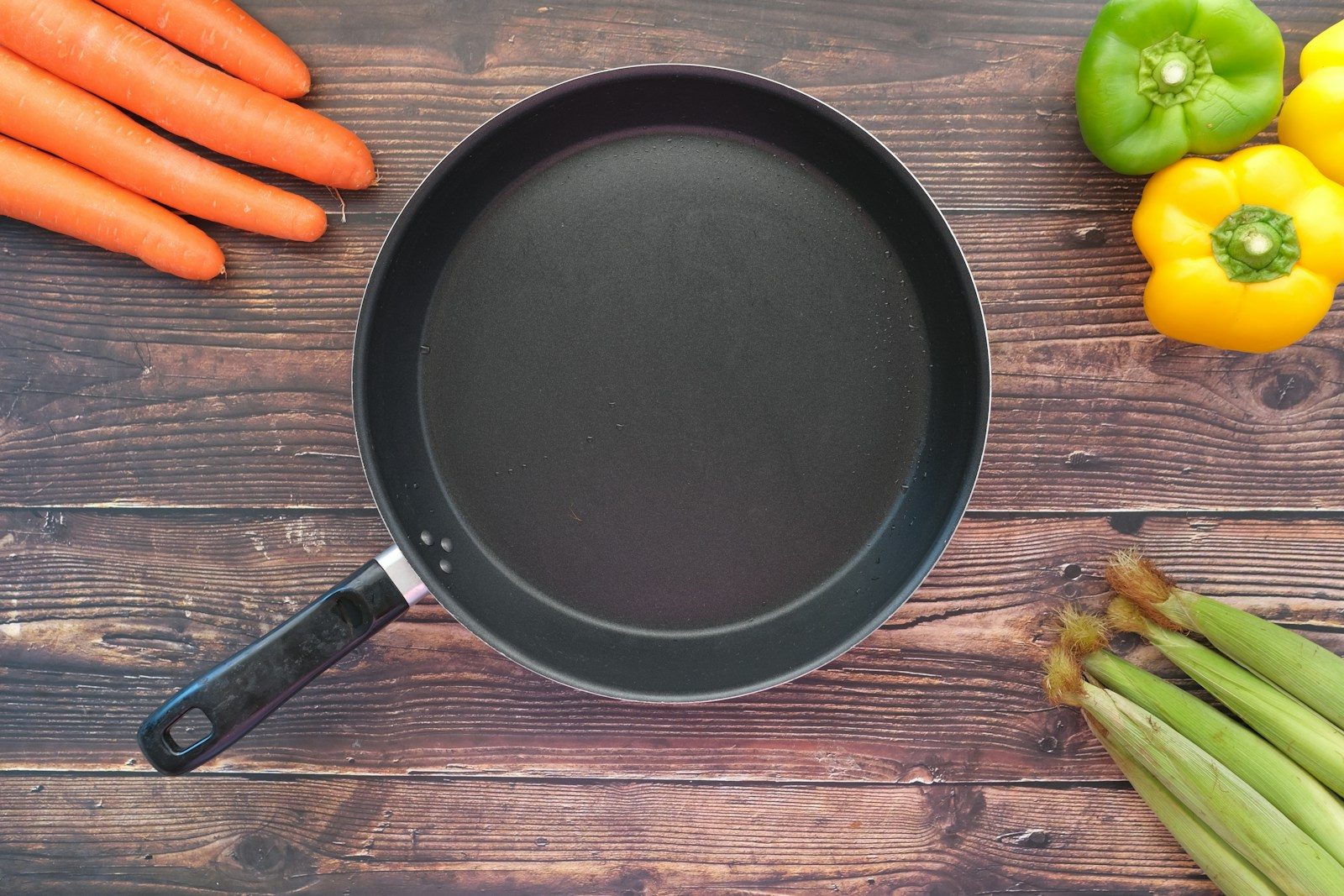
- Some nonstick cookware, especially older or scratched pans
- Stain- and water-resistant carpets, upholstery and outdoor gear
- Grease-resistant food packaging, such as some fast-food wrappers and microwave popcorn bags
- Some cosmetics and dental floss
What the rules say in 2026
In 2024, the EPA set the first national drinking water limits for six PFAS. In May 2026, the agency proposed changes: it would keep the 4 parts per trillion limits for PFOA and PFOS, propose rescinding standards for four other PFAS, and let qualifying water systems apply for extra time, until 2031, to comply, according to Ballard Spahr and Harvard’s Environmental and Energy Law Program. Legal challenges are expected, and several states have their own, sometimes stricter, PFAS rules.
Why we rated this “Moderate”: Regulators agree some PFAS can harm health and that exposure is widespread. But there are thousands of PFAS, research on most of them is limited, and the health effects at typical exposure levels are still being studied. How we rate evidence
How to cut your PFAS exposure
- Check your water. Look up your utility’s annual water quality report, or test private well water.
- Filter if needed. Choose a filter certified to reduce PFOA and PFOS. See Choosing a Water Filter: What Each Certification Actually Removes.
- Rethink cookware. Replace scratched nonstick pans; consider cast iron, stainless steel or ceramic.
- Skip stain-resistant treatments on new furniture and carpets when you can.
- Cut back on greasy takeout packaging and microwave popcorn bags; pop corn on the stove instead.
Cleaner swaps to try
We may earn a commission if you buy through links in our product picks. It never affects our ratings.
- Water: a pitcher or under-sink filter certified for PFOA/PFOS reduction
- Cookware: cast iron or stainless steel pans
- Popcorn: plain kernels and a stovetop popper
- Food storage: glass containers instead of coated packaging
The bottom line
PFAS are widespread and slow to break down. Federal water limits for PFOA and PFOS remain, but deadlines and other standards are shifting. You can lower your exposure today with a certified water filter and a few cleaner swaps. See more in our Avoid List.
Want one evidence-checked story and three easy swaps every week? Subscribe to our free newsletter.
Sources
- U.S. Environmental Protection Agency. Per- and Polyfluoroalkyl Substances (PFAS).
- Harvard Environmental & Energy Law Program. PFAS in Drinking Water: Regulatory Tracker. 2026.
- Ballard Spahr. EPA Rolls Back PFAS Regulations; States Fill the Gap. June 2026.