
Evidence: Moderate
Key takeaways
- You don’t need to buy everything organic. If you buy some organic, spend it on the produce that tests highest for pesticide residues.
- Frozen fruit and vegetables are an affordable way to eat cleaner; they’re picked ripe and have no added sugar or salt when plain.
- Cheap staples like oats, beans, eggs, canned fish and plain yogurt are among the cleanest, least-processed foods in the store.
- Reading labels for added sugar and short ingredient lists saves more than switching brands.
Eating cleaner doesn’t have to mean shopping at specialty stores or paying double. With a smart healthy grocery list on a budget, you can cut ultra-processed foods and added sugar while keeping your bill in check. Here’s what to buy, aisle by aisle, and where it’s worth spending a little more.
First, where to spend: organic vs. conventional produce
First, every year the Environmental Working Group (EWG) ranks produce by pesticide residues using U.S. Department of Agriculture testing data. Its 2026 guide found that 96% of “Dirty Dozen” samples had pesticide residues, while nearly 60% of “Clean Fifteen” samples had none.
| Consider buying organic (2026 Dirty Dozen) | Conventional is fine (2026 Clean Fifteen) |
|---|---|
| Spinach | Pineapple |
| Kale, collard and mustard greens | Sweet corn |
| Strawberries | Avocados |
| Grapes | Papaya |
| Nectarines | Onions |
| Peaches | Frozen sweet peas |
| Cherries | Asparagus |
| Apples | Cabbage |
| Blackberries | Cauliflower |
| Pears | Watermelon |
| Potatoes | Mangoes |
| Blueberries | Bananas, carrots, mushrooms, kiwi |
Keep it in perspective: more than 99% of produce samples tested by the USDA fall below legal pesticide limits, and farm groups dispute the EWG’s approach. Also, organic doesn’t mean pesticide-free. Above all, the most important thing is to eat plenty of fruit and vegetables, organic or not. If budget is tight, buy conventional and rinse produce under running water.
Healthy grocery list on a budget: aisle by aisle
Produce
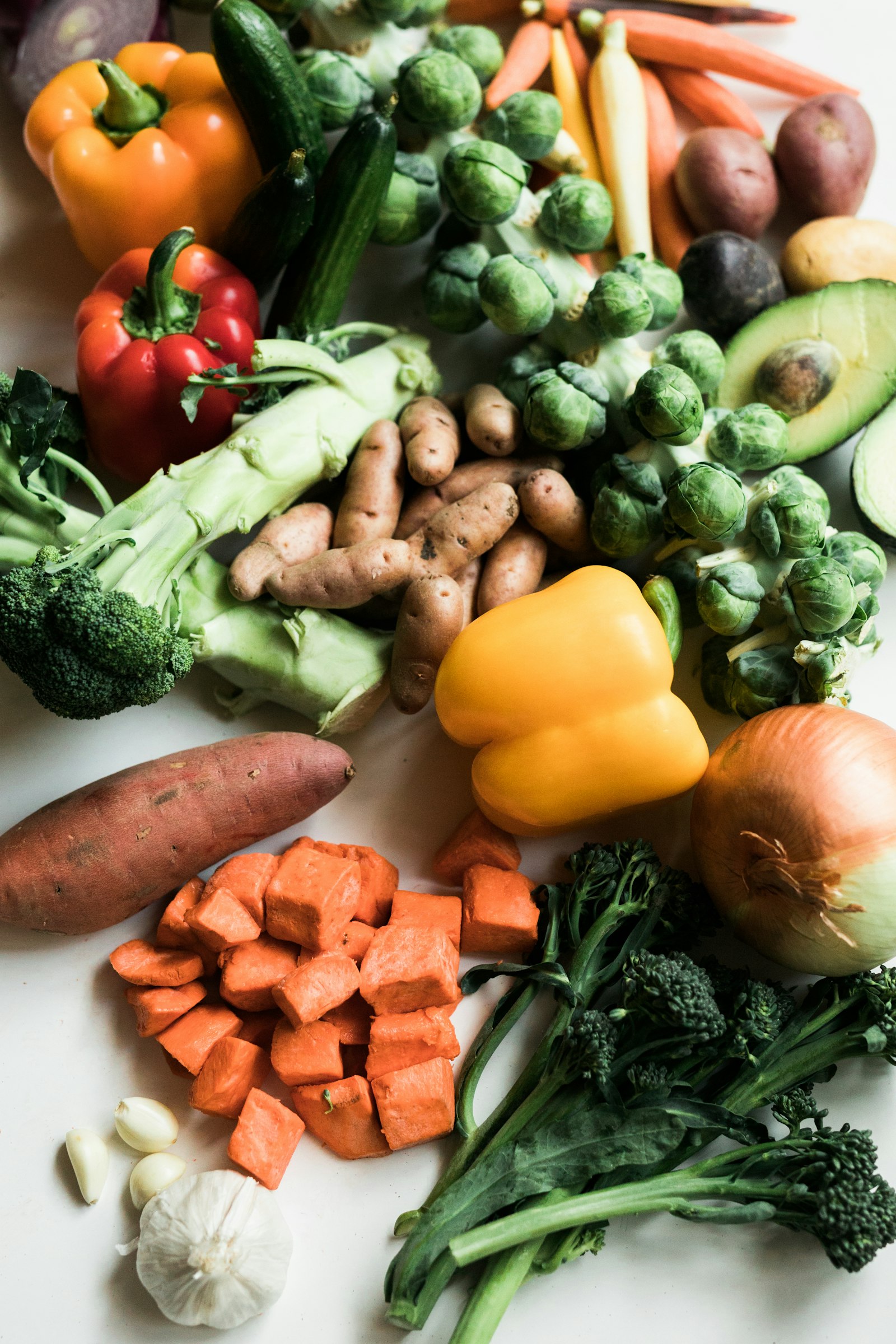
- Bananas, apples, oranges and whatever fruit is in season
- Carrots, cabbage, onions, sweet potatoes: cheap, long-lasting and versatile
- Bagged salad greens or a head of lettuce
- Avocados and other Clean Fifteen items, conventional
Freezer
- Plain frozen vegetables (broccoli, spinach, peas, mixed veg): often cheaper than fresh and just as nutritious
- Plain frozen berries for oatmeal, yogurt and smoothies
- Plain frozen fish fillets or shrimp
- Skip: frozen meals and veggies with sauces, which often add sugar and sodium
Pantry
- Old-fashioned or steel-cut oats instead of sweetened instant packets
- Dried or canned beans and lentils (rinse canned beans to cut sodium)
- Brown rice, whole-wheat pasta and other whole grains; check for “100% whole grain” (see Multigrain vs. Whole Grain)
- Canned tuna, salmon or sardines in water or olive oil
- Natural peanut butter with just peanuts and salt
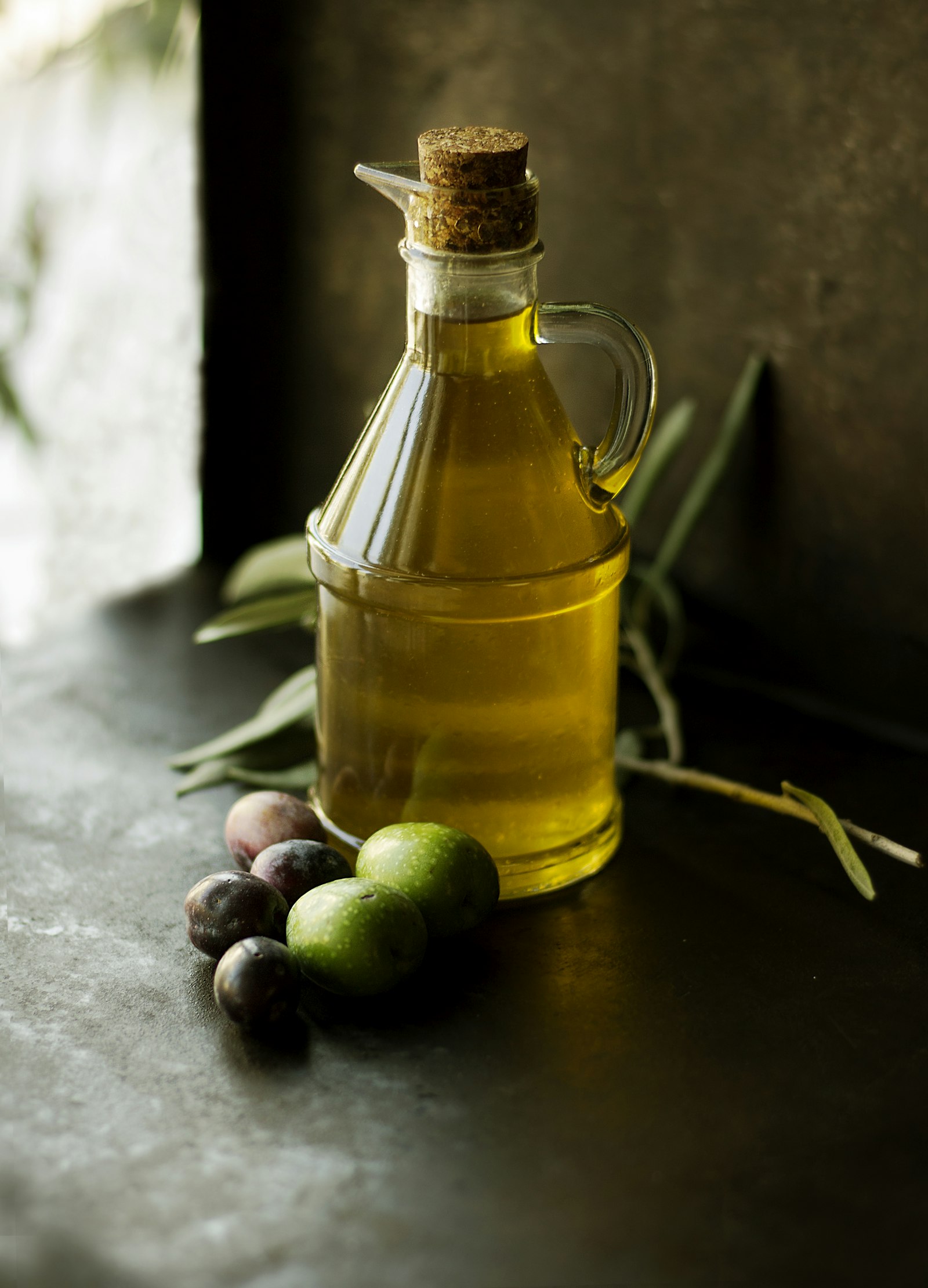
- Extra virgin olive oil for everyday cooking (see The Healthiest Cooking Oils, Ranked)
- Canned tomatoes with no added sugar
Dairy and eggs
- Eggs: one of the cheapest high-quality proteins
- Plain yogurt (add your own fruit instead of buying flavored)
- Block cheese, which is usually cheaper than pre-shredded
Meat and protein
- Whole chickens or bone-in thighs, which cost less per pound than boneless breasts
- Ground turkey or lean ground beef for batch cooking
- Minimally processed options over bacon, hot dogs and deli meats
Drinks
- Water, sparkling water, plain tea and coffee
- Skip: soda, juice drinks and sweetened coffee drinks, the biggest source of added sugar (see Does Sugar Cause Diabetes?)
7 tips for cleaner groceries on a budget
- Plan meals around what’s on sale and what you already have.
- Buy store brands. Plain staples like oats, beans and frozen vegetables are often identical to name brands.
- Read the label, not the front of the box. Check for added sugar and a short ingredient list. Our 60-second label guide shows you how, and watch for sugar’s many names.
- Cook once, eat twice. A pot of chili or a sheet pan of roasted vegetables can cover several meals.
- Buy whole, not pre-cut. Whole carrots, blocks of cheese and whole chickens cost less.
- Shop the freezer aisle for out-of-season produce.
- Swap one processed item each week. Small changes add up; see 10 Pantry Swaps That Cut Ultra-Processed Foods.
Related reading
The bottom line on a healthy grocery list on a budget
In short, a cleaner kitchen is mostly about choosing simple, whole foods, and many of those are the cheapest items in the store. Focus your organic budget on a few high-residue fruits and vegetables if you can, lean on frozen produce and pantry staples, and cut back on sugary drinks and packaged snacks. Your grocery bill doesn’t have to go up to eat better.
Want our best evidence-checked stories and easy swaps, once a month? Subscribe to our free newsletter.
Sources
- Environmental Working Group. 2026 Shopper’s Guide to Pesticides in Produce (summary). wherethefoodcomesfrom.com.
- Food Safety News. EWG reveals its Dirty Dozen; AFF challenges validity of list. April 2026. foodsafetynews.com.
- U.S. Department of Agriculture and U.S. Department of Health and Human Services. Dietary Guidelines for Americans, 2025–2030. PDF.
Leave a Reply